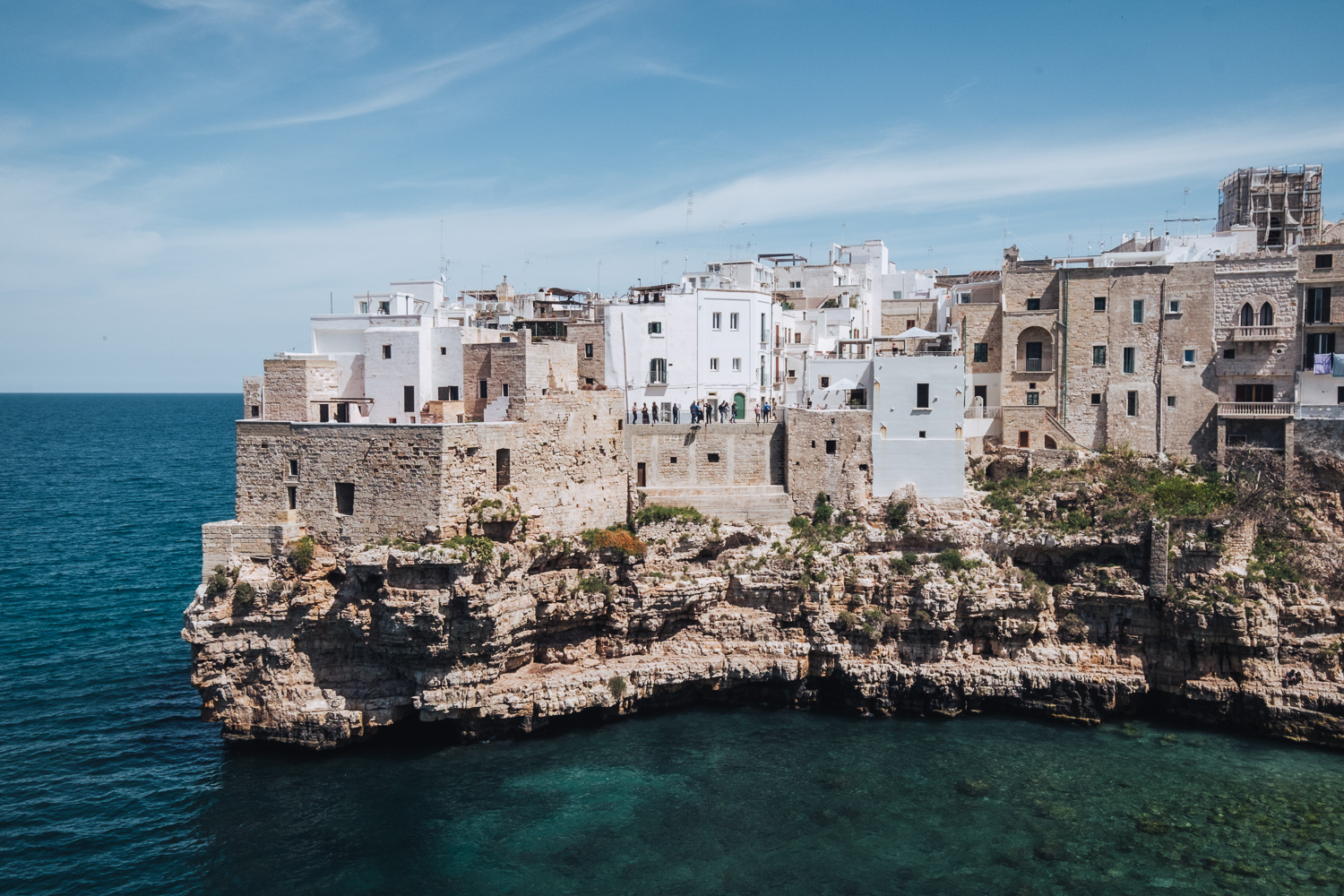
Climbing mountains is a blend of skill, patience, and good process. A repeatable system helps you handle surprises without losing momentum. Use these steps to plan, climb, and improve with each trip.
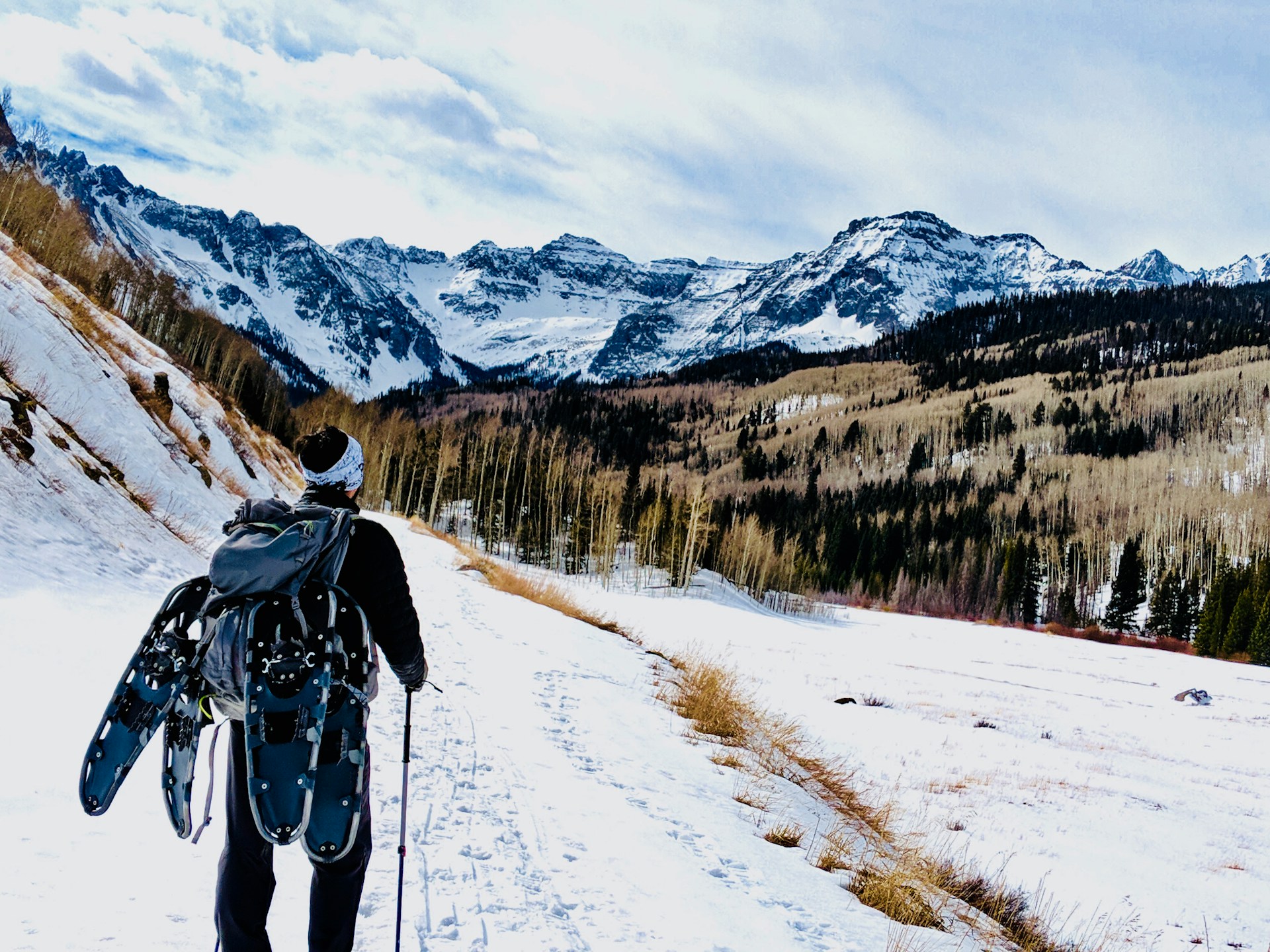
Photo by SivaSankara Reddy Bommireddy
Choose Your Objective and Season
Match the route to your current skills and the time you have. A classic glacier ascent asks for rope travel and crevasse rescue basics, while a rock ridge demands steady footwork and route finding. A route that is moderate in stable spring conditions can turn serious with mid-summer rockfall or late-season ice.
Build a simple decision tree for timing. If your calendar is tight, choose an objective with short approaches and known hut support. If you have a wide window, plan a range of options at similar grades so you can pivot based on conditions. Protect the experience from calendar pressure and keep the summit within reach.
Build a Realistic Training Plan for Climbing
Even if you’re an experienced hiker, you still need to prepare physically for mountain climbing. A hike typically involves prolonged, steady cardio and lower-body endurance on trails, while a climb demands higher-intensity effort, requiring specialized preparation to handle the demands of elevation, technical terrain, and carrying heavier safety gear.
Work backward from your climb date and block three training pillars: aerobic base, strength, and movement. The aerobic base builds the engine for long days, strength protects joints under load, and movement makes every step feel lighter. Keep the structure simple so you can stick with it.
Place a checkpoint every 3 to 4 weeks. Adjust loads when life gets busy and double down when you have space. You can even book a Mount Blanc summit course or at the destination of your choice to take advantage of the professionals’ knowledge. Don’t forget to test gear, pacing, and nutrition so you are not doing anything for the first time on the mountain.
Dial in Fuel, Hydration, and Recovery
Before long efforts, eat a balanced meal with carbs, protein, and some fat. Aim for steady intake every 30 to 45 minutes. Many climbers find a mix of small snacks, sips of carbohydrate drink, and a few real food bites easiest to digest. After the day, rebuild with protein and carbs within an hour, and eat a normal meal to top off.
The hydration strategy should fit the route. On cold climbs, warm drink flasks encourage regular sipping. On hot approaches, front bottle pockets keep fluids visible and easy to reach. A recent sports science paper emphasized building athletes’ awareness of nutrition, hydration, and supplement choices to raise well-being and performance.
Master Altitude Progression and Acclimatization
Plan gradual steps so your body can adapt to thinner air. Sleep low, climb higher, and return to a comfortable altitude to recover. If possible, schedule an acclimatization peak or two that are slightly lower than your main objective.
Listen for early signs of headache, nausea, or unusual fatigue. The Wilderness Medical Society’s 2024 stressed that a gradual ascent is the priority for reaching target elevations. Carry extra time in the itinerary, so turning down for a night is a smart play. Your summit odds rise when your plan favours patience over pressure.
Pack Systems That Remove Friction
Build a weather system, a movement system, a safety system, and a comfort system.
- Weather: shells, insulation, gloves, and eyewear.
- Movement: boots, traction, rope kit, and tools.
- Safety: navigation, headlamp, first aid, and repair tape.
- Comfort: sun care, snacks, and a small sit pad.
Prepare your pack the night before each big effort. Place the day’s snacks where your hands find them without looking. Keep spare gloves in a dry bag, headlamp in the lid pocket, and map or GPS on a leash or tether.
Hone Technical Movement and Risk Skills
Practice technical skills until they feel boring. On rock, rehearse 3 points of contact, precise foot placements, and downclimbing. On snow and ice, drill efficient step kicking, front pointing, and traversing. Set up short circuits at a local crag or slope and cycle through them.
Risk skills are part of movement. Tie coils, build simple anchors, and run rope teams with clean communication. Practice self-arrest from different positions and speeds. Shoot short videos to review posture and pick one cue to improve next time. When the terrain gets real, you want calm minds and automatic mechanics.

Image by Eric Barrett
Plan Teamwork and Decision-Making
People’s problems sink trips faster than the weather, so set roles before you leave the trailhead. Who navigates, who manages pace, and who tracks time and food. Agree on turnaround times for good, normal, and slow conditions. Write them on a card so the team can point to the plan when summit fever tries to negotiate.
Build a simple decision loop you revisit at known break points. Check weather, time, team energy, and objective hazards. If two factors degrade at once, change the plan. Clear language keeps everyone thinking and reduces the chance of small issues compounding.
Progress in the mountains comes from simple systems you repeat. Pick goals that match the season, train what you will use, fuel on a schedule, and move up in steady altitude steps. Pack to remove friction, talk clearly with partners, and treat turnaround times as part of climbing well.