Food is one of the few event elements that guests touch, smell, and taste. Catering becomes a quick signal of care, comfort, and organization. Guests may forget decor details, then remember how easy it felt to eat and move.
Start With the Guest Journey
Think of catering as a path guests walk, not a list of items. People arrive, scan the room, and decide if they can relax. Blocked walkways or unclear stations can pull attention away from the purpose of the gathering.
Guests also notice where food is coming from and how far it has to travel. The catering plan, with mobile kitchen catering positioned close to the action when a venue lacks a usable back-of-house, can shape that first impression. Short lines and a clear layout give people permission to settle in and focus on conversations.
Map the journey from entry to the last bite. Place the first touchpoint where people naturally pause, and keep restrooms, exits, and key sightlines open. If staff can move without weaving through crowds, service stays calm and steady.
Use quiet cues that guide guests without a speech. Simple signs and visible trash and compost bins cut down on questions. A small greeter near the first station can point people in the right direction.
Menu Choices Set the Mood
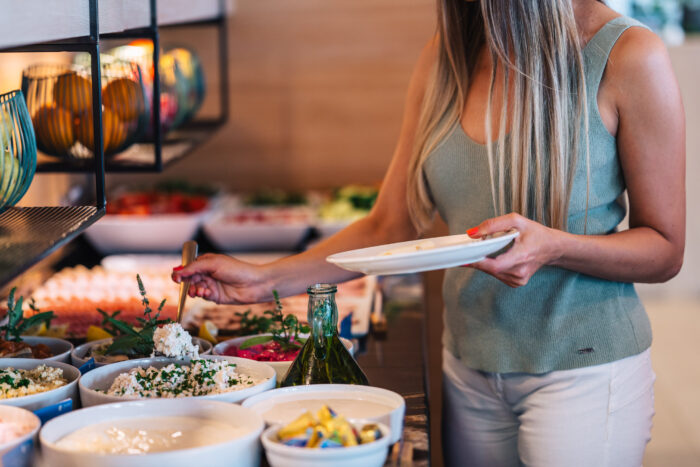
Cuisine signals what kind of moment you are creating. A lighter menu fits a daytime workshop, and a heartier spread suits a long evening program. A recent catering article noted that cuisine choices can strongly influence how guests remember an event and how successful it feels.
Match menu style to the room and the schedule. Passed bites support mingling, plated meals support speeches, and stations support variety. Add one or two signature items that match the theme, then keep the rest familiar enough that guests can choose quickly.
Think about temperature and texture, not just flavor. Warm foods can slow the pace, and crisp items can lift it. Plan portion sizes so guests can eat neatly in the setting you chose.
Set Up and Space Planning Reduce Friction
Even great food can feel stressful if the setup is messy. Equipment, traffic lanes, and storage need a plan as much as the menu. A business catering guide described success as coming from smart equipment choices, thoughtful space design, and budget optimization.
Treat stations like mini rooms with their own entrances and exits. Give every line a clear start point, and keep beverage refills away from the hottest food zones. If you use rented gear, test how it fits the footprint so staff can work without bumping into each other.
Define a landing zone for clean plates and a separate spot for dirty returns. Clear paths keep the guest area quiet and polished. Check power access early so warmers and small appliances stay reliable.
Timing and Service Style Keep Energy Up
Service pace should match the emotional rhythm of the event. Food that lands too early goes cold, and food that lands too late makes people restless.
Plan food around transitions like doors opening, a speaker change, or a break in programming. Build a buffer for slow elevators, security checks, or a long walk from the kitchen to the ballroom. A consistent cadence, with small refills instead of one huge rush, keeps energy steady.
Keep water and coffee easy to reach during long sessions. Bar service should not bottleneck near the main aisle. Plan a quick sweep between segments so empty cups do not pile up.
Dietary Needs and Clear Labels Build Trust
Guests relax when they can navigate food without asking a staff member for every detail. Labels, ingredient notes, and smart defaults reduce uncertainty and waste.
Use simple, readable signs and keep the language consistent across stations. For any dietary restriction, labels should call out the top allergens and key ingredients so guests can decide fast without asking. Put allergen-friendly items in their own area, so cross-contact risk stays low, and give staff a short script for common questions so answers stay consistent. Helpful choices include:
- At least 1 main option for a vegan diet
- A gluten-free starch that is not salad
- Separate serving utensils per dish
- A water station near the entry
Contingency Planning Protects the Moment
Events rarely go exactly as planned, so catering should have a backup mode. Power issues, weather shifts, and delayed deliveries can turn a smooth night into a scramble.
A mobile kitchen can bring chef-driven menus and flexible service, which can help when fixed kitchen space is limited or the venue rules are strict. Keep a short list of substitutions that fit the theme, like swapping a grilled protein for a roasted one. Stock extra disposables, ice, and a few shelf-stable snacks so guests never feel the gap.
Set a simple communication loop for schedule changes. When the catering lead, event lead, and venue contact share the same update, service can shift without confusion. Add a rain plan for outdoor lines, forecast or not.
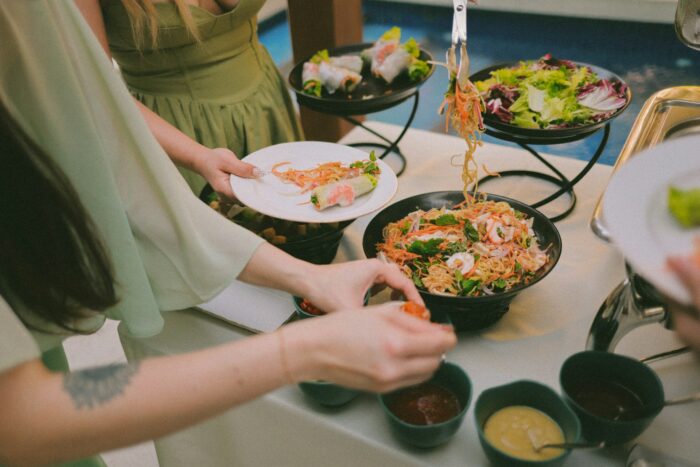
Photo by Hoi An and Da Nang Photographer
Thoughtful catering choices can make an event feel effortless, even when the schedule is packed and the room is busy. When menu, layout, timing, and labeling work together, guests spend less time navigating logistics and more time connecting. The best sign it worked is simple – people leave feeling cared for, not just fed.