There is a point in every parent’s travel journey where the standard resort holiday, no matter how many stars it boasts, starts to feel a little too predictable. When the desire for something truly adventurous takes over, a luxury African safari is often the answer. But for families who have “been there and done that,” or those simply looking to skip the beaten track, the continent offers experiences that go far beyond the typical dawn-and-dusk game drive.
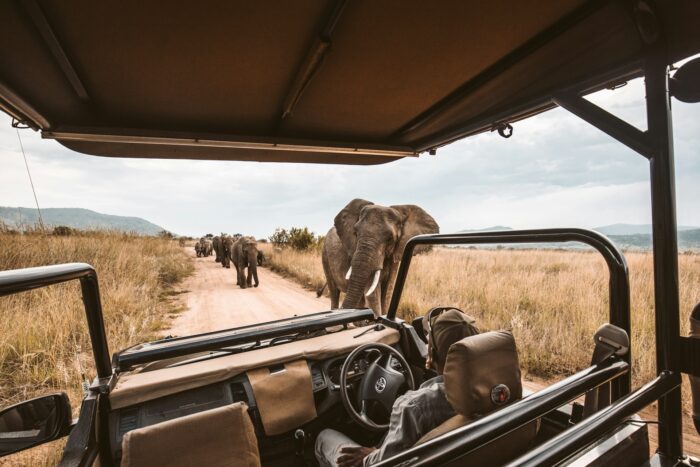
Photo by redcharlie
Designing a luxury family safari that feels fresh requires looking at the landscape through a different lens, prioritizing rare habitats, unique modes of transport, and an intentionally slower pace.
The Desert Magic of the Makgadikgadi
While the lush wetlands of the Okavango Delta are iconic, there is a haunting, minimalist beauty to Botswana’s salt pans that feels like stepping onto another planet. For families, the Makgadikgadi Pans offer a playground of “quiet” adventures.
Instead of just tracking the big cats, imagine taking the kids out on quad bikes across the vast, white crust of the earth, where the horizon disappears into a shimmering heat haze. The real highlight here, however, is the chance to spend time with habituated meerkats. These curious creatures often use human heads as lookout posts, providing a tactile, joyful encounter that no zoo could ever replicate.
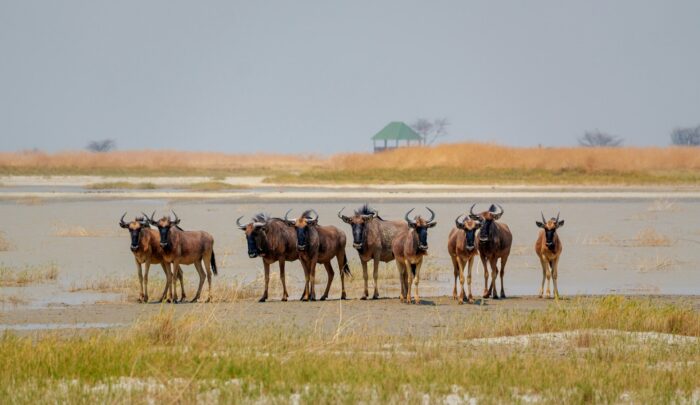
Photo by Ed Wingate
Water Safaris by Moonlight
In the Zambezi Valley or the winding channels of the Selous, the rhythm of the safari shifts from the rumble of an engine to the lap of water against a hull. A private boat safari allows a family to see the wild from a completely different perspective of luxury family travel.
- Canoe Trails: For families with older teenagers, a guided canoe safari offers a dash of adrenaline. Drifting past pods of hippos and watching elephants drink from the riverbank at eye level is a grounding, visceral experience.
- Floating Breakfasts: There is a specific kind of morning magic in having a chef prepare a full gourmet spread on a private deck overlooking a hippo pool, far from the communal dining areas of a main lodge.
The “Sleep-Out” Under the Southern Cross
For a family retreat that will be talked about for decades, trade one night in a luxury suite for a luxury “star-bed.” This experience is a hallmark of a luxury Kenya safari, particularly in the ruggedly beautiful Laikipia Plateau, where many high-end properties offer elevated wooden platforms located a safe distance from the main camp.
Equipped with high-thread-count linens, mosquito netting, and a private guide stationed nearby, these decks allow you to fall asleep to the unfiltered symphony of the bush. Without the hum of air conditioning or the barrier of walls, the sounds of the African night – the distant “sawing” of a leopard or the hoot of a Verreaux’s eagle-owl – become the ultimate bedtime story.
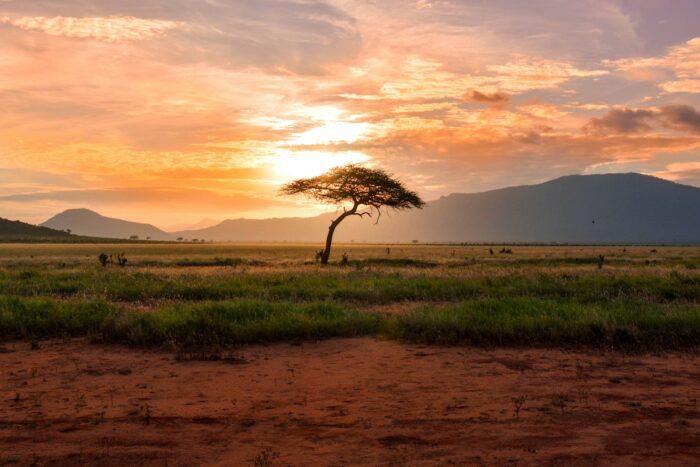
Photo by Damian Patkowski
The Misty Rainforests of Rwanda
For a luxury family safari that feels truly immersive, the high-altitude rainforests of Rwanda offer an encounter unlike any other. While the savanna is about wide-open spaces, Rwanda is about the quiet, emerald world of Volcanoes National Park. Beyond the bucket-list experience of mountain gorilla trekking, families can explore the canopy on suspended walkways or visit the Ellen DeGeneres Campus of the Dian Fossey Gorilla Fund to see world-class conservation in action. The luxury lodges here—perched on the edge of ancient craters—provide a misty, atmospheric sanctuary that proves the African wilderness is as much about the mountains as it is the plains.
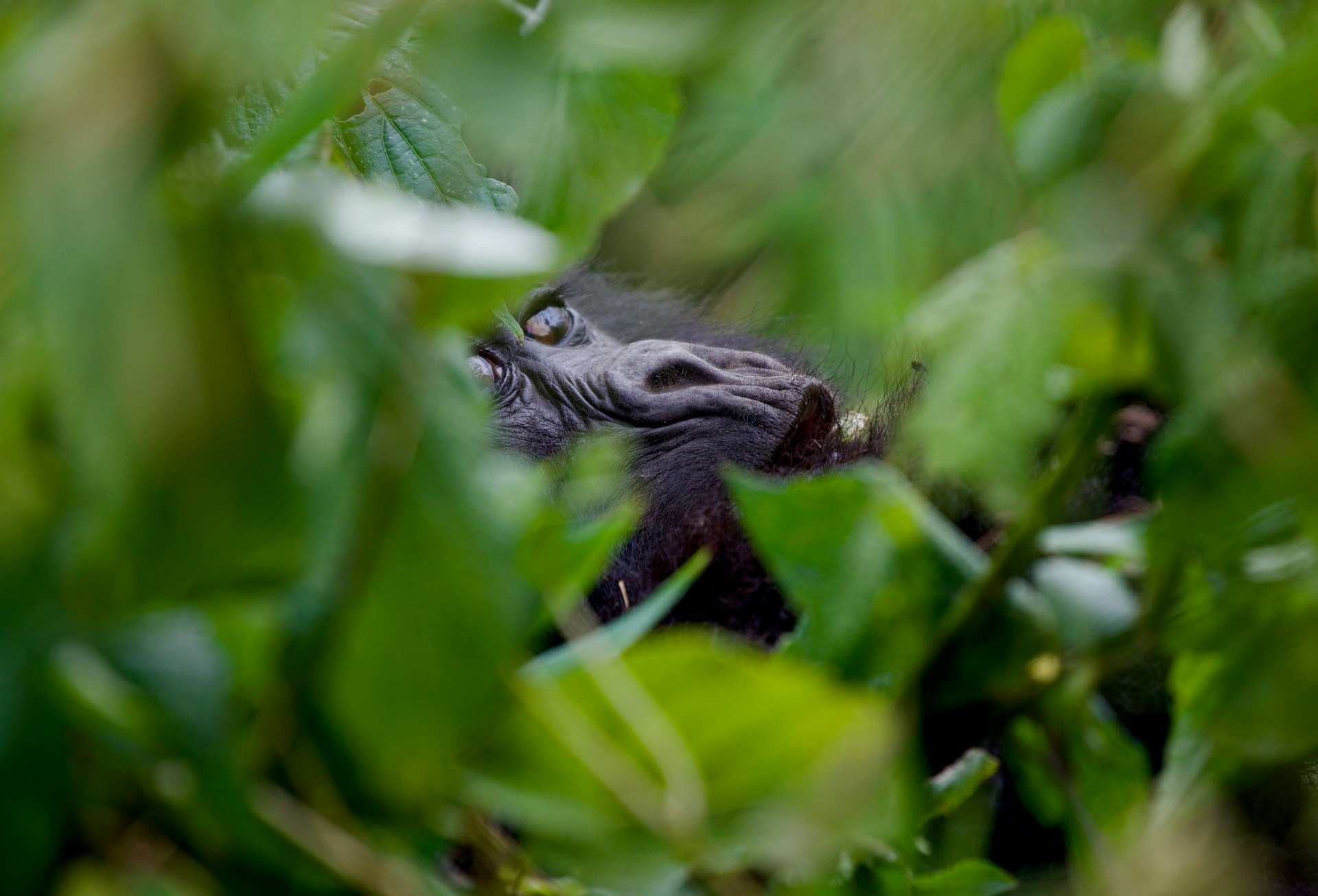
Photo by Magdalena Kula Manchee
Conservation Behind the Scenes
Today’s luxury travel is less about passive observation and more about active participation, giving families the chance to contribute to the conservation efforts they see in the field. For families who want to understand the “why” behind the wilderness, look for retreats that offer participation in specialized conservation efforts. Rather than just observing from a distance, families can now join research teams to help identify individual rhinos for a census or spend time with K9 anti-poaching units, learning how bloodhounds track scents through the bush.
When engaging in behind-the-scenes encounters, it is vital to choose operators that prioritize animal welfare and ethical practices; National Geographic’s guide to wildlife tourism ethics is an excellent resource for families wanting to travel responsibly. These experiences turn a holiday into a meaningful education, building a sense of stewardship in younger generations that lasts long after the dust of the savanna has settled.