Something has shifted in how people think about travel. There was a time when a successful holiday meant ticking off as many places as possible, a different city every night, trains caught at dawn, suitcases dragged across cobblestones. That approach still has its appeal, but plenty of people are quietly stepping back from it. They want to come home actually rested. And that’s where cruises have started to make a lot more sense.
Starting the Journey Without the Stress
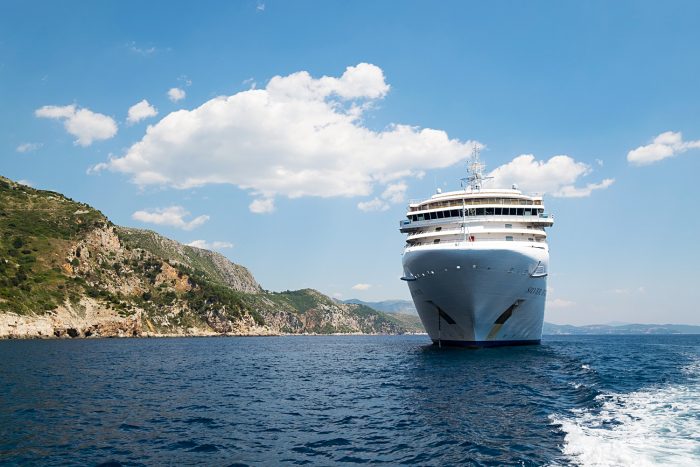
For anyone based in the UK, the logistics of getting to Europe can eat into a trip before it’s even begun. Airport queues, baggage restrictions, layovers, transfers, it all adds up. One thing that makes options like cruises from Tilbury genuinely appealing is that you sidestep most of that entirely. You board relatively close to home and the holiday simply begins. It’s a calmer start, and that calmness tends to carry through.
The Relief of Unpacking Once
There’s a particular kind of fatigue that comes from hotel-hopping, constantly repacking, losing track of what’s where, adjusting to yet another room. Cruises remove all of that. Your cabin is your cabin for the duration. Once you’ve followed your favourite packing list essentials for international trips, you only have to unzip your suitcase once. You unpack properly, put things where you want them, and don’t think about it again.
It sounds like a small thing, but it quietly changes how you feel for the rest of the trip. With the logistics sorted, your head is free to actually be somewhere.

Photo by Kindel Media
A Different Kind of Pace
Cruise itineraries naturally lend themselves to a slower rhythm. You might spend a morning poking around a harbour town, head back for lunch, then wander out again in the afternoon with no particular agenda. There’s no pressure to see everything, which, paradoxically, often means you see things more clearly. You notice more when you’re not rushing.
Days at sea are part of this too. Rather than filling every hour, they offer a built-in pause. Time to read, sit on deck, watch the water. In a life that’s generally quite loud, that kind of quiet can feel genuinely luxurious. It’s not nothing, it’s the whole point.

Food, Ports, and a Bit of Both
Onboard dining tends to be varied without being overwhelming. Breakfast whenever you’re ready, a relaxed lunch, something more considered in the evening. It’s consistent without being repetitive. Then, at each port, you’ve got the chance to eat somewhere completely different, a seafood place near the water, a market stall, a bakery you stumbled across. That combination of reliability and discovery works rather well. You’re never worrying about where your next meal is coming from, but you’re still finding new things to eat. For those traveling with children, seeking out culinary cruise excursions for families can turn a simple port day into a memorable shared experience.

The Freedom of a Loose Structure
Standard travel involves a relentless stream of decisions: where to stay, how to get there, what to do, where to eat, whether you’ve left enough time. Some people love that. Others find it exhausting by day three. What a cruise offers is a loose structure that handles the big stuff without dictating everything. The ship moves, the destinations appear, and within that framework, you do largely what you like. Of course, the experience starts with how to find the perfect cruise for you, ensuring the ship’s pace matches your own desire for relaxation.
Watching the World From the Water
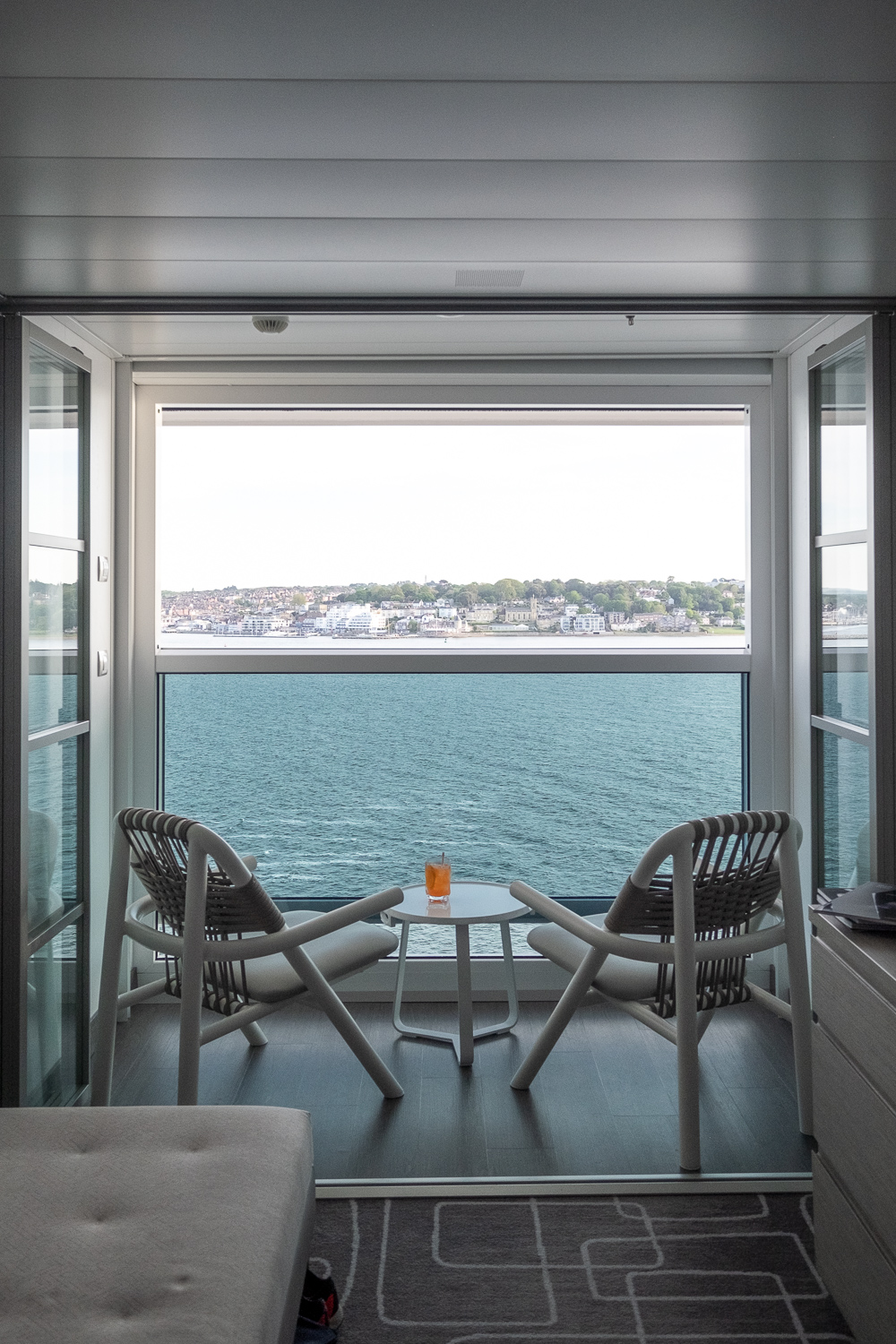
There’s also something to be said for how you experience the journey itself. Flying gets you somewhere quickly, but the in-between disappears. Travelling by sea is different. Coastlines emerge gradually. Cities come into view on the horizon. The stretches between ports feel like part of the trip rather than dead time to be endured. Even a few hours at sea can make us happier and feel grounding in a way that’s hard to put into words.
To capture these moments properly, it’s worth checking out a photography guide to European cruise ports to help you document the light and architecture of the journey

Why Slow Travel Makes Sense Right Now
The growing interest in slow travel has brought cruises back into focus for a lot of people. There’s a broader appetite now for holidays that feel cohesive, experiences that flow naturally rather than ones that leave you needing another holiday to recover. Cruises suit that instinct well. They connect different places without fracturing the experience. You see a range of countries and cultures, but the through line is always there.
And being surrounded by water has its own quiet effect. It’s easier to switch off. The usual distractions are further away. You read more, sleep better, think less about what’s waiting back home.
A Holiday That Actually Rests You
None of this is to say cruises are for everyone, or that they don’t have their own quirks. But for people who want to travel well without running themselves ragged, they offer something that’s harder to find elsewhere: variety and ease in the same package. Different countries, good food, new experiences, without the constant need to organise, problem-solve, or move on before you’ve caught your breath.

Travel at its best should leave you feeling like you’ve genuinely been somewhere. Not just passed through it at speed. Increasingly, cruises seem to understand that.