
Australia is the smallest continent in the Southern Hemisphere, and the entire continent is occupied by a single country. More than half of the territory here is deserts and semi-deserts, but between them are wine regions, rainforests of Queensland, and national parks. Australia is one of the most developed and prosperous countries in the world. Its shores are washed by the Pacific and Indian Oceans, and there are around 11,000 beaches.

Photo by Caleb
In this short guide for travellers to Australia, you’ll find everything you need to prepare for your first trip., you’ll find everything you need to prepare for your first trip.
Why Travel to Australia?
Australia is famous for its unusual flora and fauna — koalas and kangaroos live only here, and you can spot giant cuttlefish in Spencer Gulf. Deserts on the mainland are bordered by mountains and green plains, and the world’s oldest rainforest has been preserved near Queensland. Australia’s Indian Ocean coast has become a major resort destination with a well-developed infrastructure and coves for diving and surfing enthusiasts. If you want to delve deeper into the continent’s wild side, check out this guide on reasons for your nature-filled holiday in Australia to see why its landscapes are a dream for outdoor enthusiasts.
One of Australia’s defining features is its high standard of living. The country’s large cities with skyscrapers, expressways and specially equipped recreation areas are known for their comfort and convenience. Australia is not known for ancient architecture, because Australia developed rapidly during the 20th century of Great Britain. But modern structures surprise with their design and functional solutions.

Photo by Jordan Whitt
When to go to Australia?
Australia is generally hot and humid during the summer months. This is one of the best times for outdoor activities — diving, surfing, or spearfishing. In June, the Australian winter begins, when the air temperature can drop to zero. At this time, it is best to visit the country’s ski resorts. February and March are the rainiest months, but rainfall is less frequent in the central part of Australia. September, October, and November are considered the most comfortable for beach vacations.
What to do in Australia?
Australia is rightfully considered a country of extreme sports. In addition to traditional water sports and downhill skiing, you can dive into the ocean in a cage to come face-to-face with a great white shark, raft along stormy mountain rivers, master rock climbing skills, and even take a high-speed flight experience. For an equally unforgettable but far more serene perspective from the air, you can greet the sunrise floating above the clouds on a Yarra Valley hot air balloon flight before spending the day touring legendary local vineyards.
Travellers looking for exotic experiences should visit Kangaroo Island and see the animals in their natural habitat, as well as visit Kakadu National Park. There are museums, art galleries, cinemas, and nightclubs in every city and all welcome visitors.

There are no ancient castles and fortresses in Australia, but locals are really proud of the iconic Sydney Harbour Bridge in Sydney, the Queen Victoria Building with a miniature replica of Big Ben inside, the Mona underground museum of avant-garde painting in Hobart, and the Melbourne Cricket Stadium, which regularly hosts day and night events. One of the country’s iconic sites is the red monolithic Uluru rock, which is a symbol of Australia.
Most major cities have botanical gardens, parks, and aquariums where you can explore exotic Australian flora and fauna. Nature lovers should also head down the Great Ocean Road to witness the dramatic limestone stacks of the Twelve Apostles rising out of the Southern Ocean. Meanwhile, on the east coast, the spectacular Great Barrier Reef consists of more than 900 coral islands—though you will truly be able to appreciate its breathtaking beauty only while diving or snorkelling.
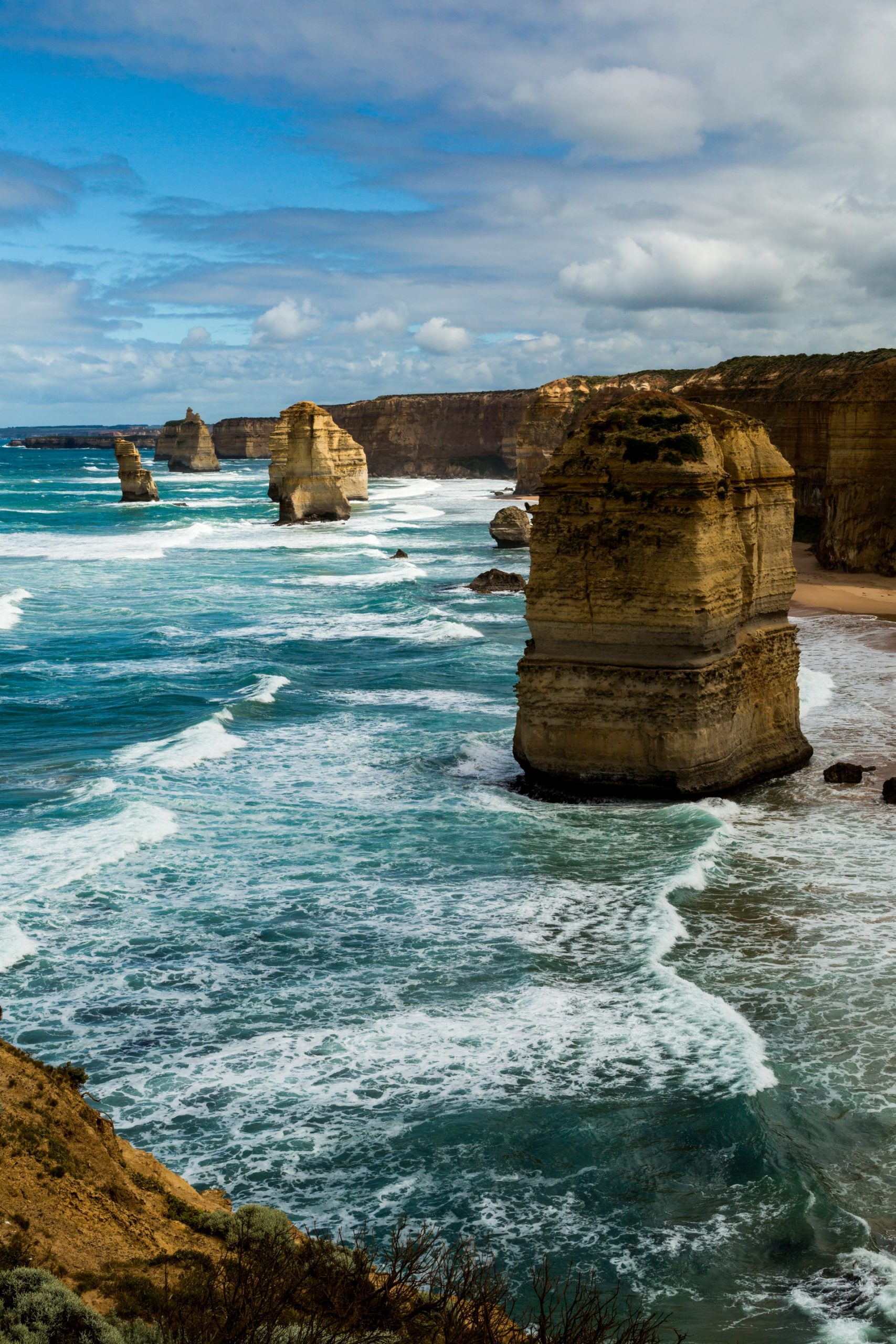
Photo by Slava Abramovitch
How to stay connected in Australia?
Wi-Fi is widely available in hotels, cafes, and restaurants across Australia’s major cities. However, having reliable mobile data on your phone is essential for navigating vast coastal roads, booking local transport, and staying in touch with family. Many travellers prefer to sort out their internet connection before they even land so they can navigate the airport smoothly upon arrival.
If you plan to connect to public Wi-Fi networks at airports or cafes, using VPNs is highly recommended to keep your personal data secure. For continuous mobile internet, you can easily purchase a prepaid physical SIM card or a tourist plan at the airport from Australia’s top networks: Optus or Telstra (the latter is highly recommended for its superior coverage if you are heading into regional areas or the Outback).
Alternatively, for a completely hassle-free setup that avoids swapping physical cards, you can pre-arrange a virtual phone number Australia by eSIM Plus to to get connected the moment your flight touches down.
What to eat in Australia?
Meat, fish, seafood, potatoes, and legumes are the most popular ingredients in Australian cuisine. However, you can’t talk about modern food culture here without mentioning the obsessed-over breakfast scene; Australia practically pioneered third-wave coffee and the global avocado-toast phenomenon, making a leisurely weekend café brunch an absolute rite of passage.
For a quicker bite, one popular fast-food staple is the traditional meat pie, often served with a scoop of mushy peas. The classic lunch usually consists of grilled meat and vegetables, while light salads paired with seafood and local white wine are commonly enjoyed for dinner. In some specialty restaurants, you can even order a kangaroo steak. Finally, to satisfy your sweet tooth, popular local desserts include Lamingtons cakes, fruit-filled cupcakes, Anzac cookies and pavlova meringue cakes.
What to buy in Australia?
Ugg boots made of sheepskin, jewellery with opals, cosmetics based on eucalyptus oil, a boomerang toy, plush animal toys are the most common gifts brought by tourists from Australia. You can also bring home a bottle of local Bundaberg rum as a souvenir.
Conclusion: Embracing the Spirit of the Land Down Under
Planning a trip to Australia requires a bit of logistical preparation due to its sheer scale, but the reward is a profoundly unique travel experience. From the cosmopolitan energy of its modern cities to the ancient silence of the Outback and the vibrant life of the Great Barrier Reef, it is a country that seamlessly blends adventure with an easygoing lifestyle. By sorting out your itinerary, weather expectations, and connectivity before you land, you can dive straight into the magic of the continent without a hitch.
To help you cross the finish line of your trip planning, here are a few practical, everyday facts to keep in mind before you touch down:
- The voltage in the Australian power grid is 240 volts, the devices use plugs with three pins — you will need an adapter for European plugs.
- Almost all Australian stores are open until 4–5 PM. Some supermarkets organize Evening Shopping Days once a week, which stay open until 9 PM.
- Standard tips in restaurants usually range from 10% to 15% of the order amount, in hotels it is customary to tip hotel staff around $5 for good service.
- All public toilets in Australia are free.







[…] when they think of Australia. For first-time visitors, a little planning goes a long way, so this beginner’s guide to travelling to Australia covers some of the practical things to know before you go. Once you arrive, though, the food […]