Travel has a funny way of stripping back our expectations. We often map out itineraries based on famous landmarks, museum hours, and top-rated restaurants, only to find that the defining moment of a trip happens on a warm, sticky evening on a rickety bar stool, watching the sunset.
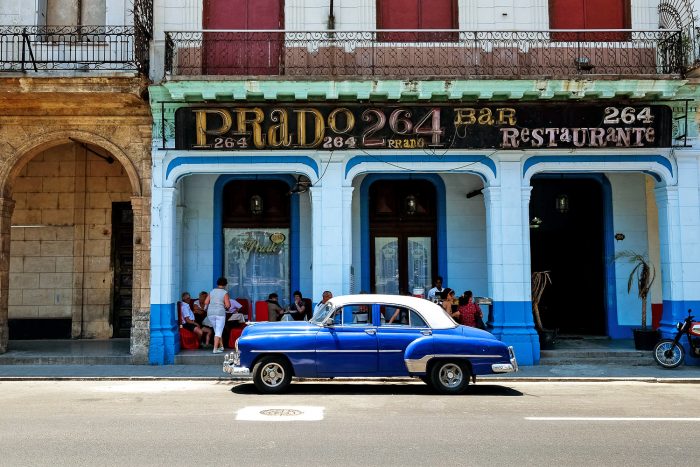
In Havana, those unplanned, paused moments are practically woven into the city’s fabric. Visiting Cuba is an experience like no other; the Caribbean island is certainly iconic, and in many ways, it has hardly changed since the 1950s when the revolution of Fidel Castro won against the authoritarian government of Batista. It’s a destination that doesn’t try to please you with modern comforts, but instead captivates you with its rhythm. And nothing embodies that slow, intentional rhythm quite like Cuban cigar culture.
Havana Isn’t Trying to Please You
Let’s be honest: Havana doesn’t care about being comfortable. With Havana, it can easily be love at first sight, but it takes a while to warm up to the rest of the country. It is noisy, beautifully shabby, and deeply tired in places. The colonial buildings look as though they are hanging on by a thread, the vintage cars belong in a museum, and traveling around the country on your own can be tricky. All travel agencies, transport, and hotels are state-owned and generally not very reliable. Furthermore, the internet barely works—while there is a Wi-Fi connection in Cuba, it’s expensive and limited to a few hotspots in major cities where you have to stand in line to buy Wi-Fi cards.
The truth is, there is not a lot to do and see in Cuba compared to other destinations, making it a place where you have to forget about your routine, your habits, and tune into a different pace of seeing things. You have to accept that even if you don’t visit ten different sites every day, find the best restaurants, or tick all the boxes of your bucket list, that doesn’t mean the experience is less valuable. Quite the opposite, in fact. When naming the best places to travel, it stands out precisely because it forces you to let go and embrace a destination with all its contradictions.
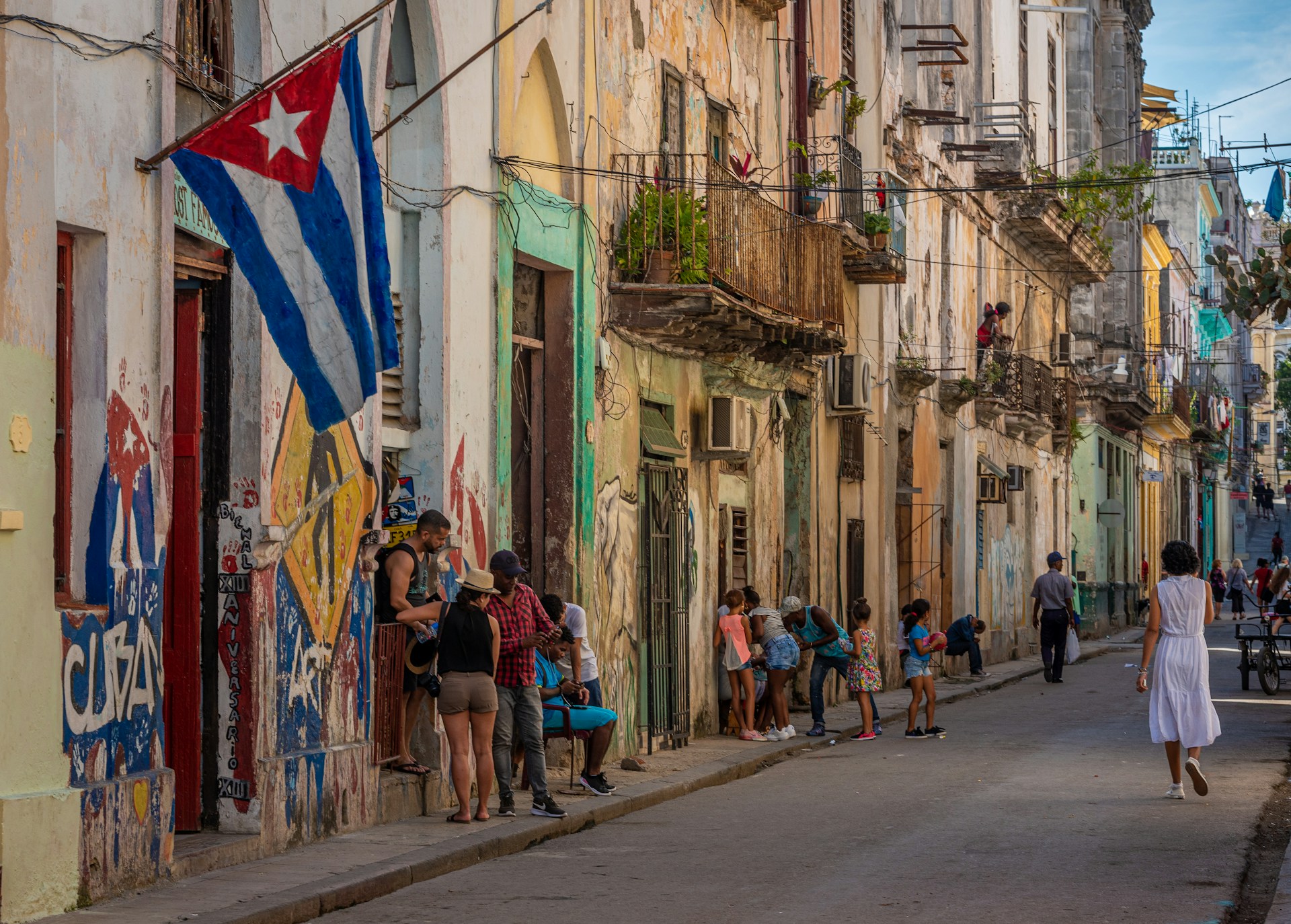
Photo by JF Martin
Demystifying the Myth: Cigars in Everyday Cuban Life
Pop culture has spent decades framing cigars as a rigid symbol of status. We associate them with old Hollywood movies, leather-bound boardrooms, expensive whiskey, and people who take themselves far too seriously. It easily feels like an elitist hobby or an exercise in showing off.
In Cuba, that pretentiousness completely evaporates.
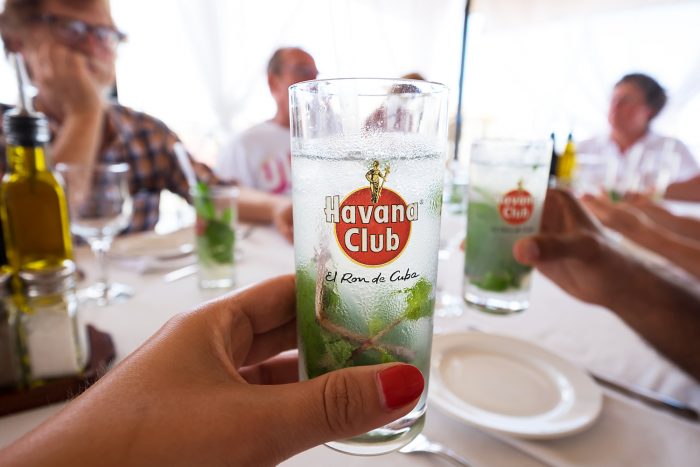
Cigars aren’t considered a luxury for the elite here; they are a seamless part of everyday life. On any given night, whether you are staying in family-run guesthouses (casas particulares) or wandering into a neighborhood bar, you’ll find locals enjoying a smoke alongside a glass of Havana Club rum. No one cares if you know the “correct” way to hold it, and there are no specialists in formal suits. You can easily find yourself drinking rum, smoking Cuban cigars, eating rice and beans or banana chips every day, and interacting or dancing salsa with locals. It’s an inclusive, unpretentious ritual centered around community and conversation.
Why the Ritual Forces You to Slow Down
There is a distinct philosophy behind smoking a Cuban cigar: it completely forces you to slow down. You cannot rush it, even if you want to. It demands an hour of undivided attention.
In a world driven by endless phone calls, notifications, social media scrolling, and answering emails at midnight, a cigar acts as a natural circuit breaker. Sitting in a dimly lit Havana bar with a fan humming on its last legs, you quickly realize nobody is trying to optimize the moment.
It provides a rare, liberating sense of calm. Half the point isn’t the smoke itself—it’s the forced pause, the heavy evening air, and the slow conversation about absolutely nothing. Taking these intentional breaks is a crucial part of learning how to slow down, and adopting simple strategies for a more relaxed and balanced life can help you carry that calm mindset back home into your everyday routine.
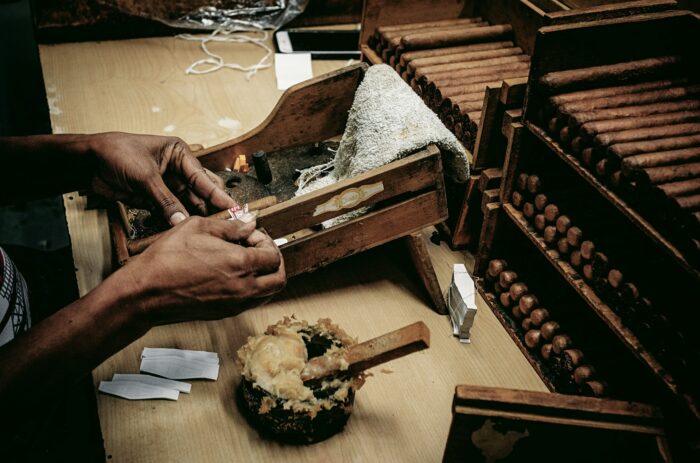
Photo by Victor Crespo
From Cult Blend to Global Phenomenon
When looking into Cuban tobacco culture, one name is entirely unavoidable: Cohiba cigars. Cohiba began in the 1960s as a private blend, unavailable to the public for nearly two decades, and it has carried that reputation ever since. While cigars are a casual staple on the streets of Havana, the global market takes this craft incredibly seriously. The global cigar and cigarillos industry was valued at USD 54.79 billion in 2024 and is projected to nearly double by 2033. At the absolute pinnacle of that market sits Cohiba.
The brand began in the 1960s as a private, top-secret blend reserved exclusively for Fidel Castro and high-ranking diplomats. Produced at the tight-lipped El Laguito factory in Havana, it wasn’t available to the public for nearly two decades.
The name itself comes from the ancient Taíno word for tobacco, used by Cuba’s indigenous people long before Columbus arrived. Furthermore, the tobacco is sourced from just ten select fields in the Vuelta Abajo region, widely recognized as some of the finest growing land on earth. An extra fermentation stage in wooden barrels gives these cigars their signature smooth, complex aroma.
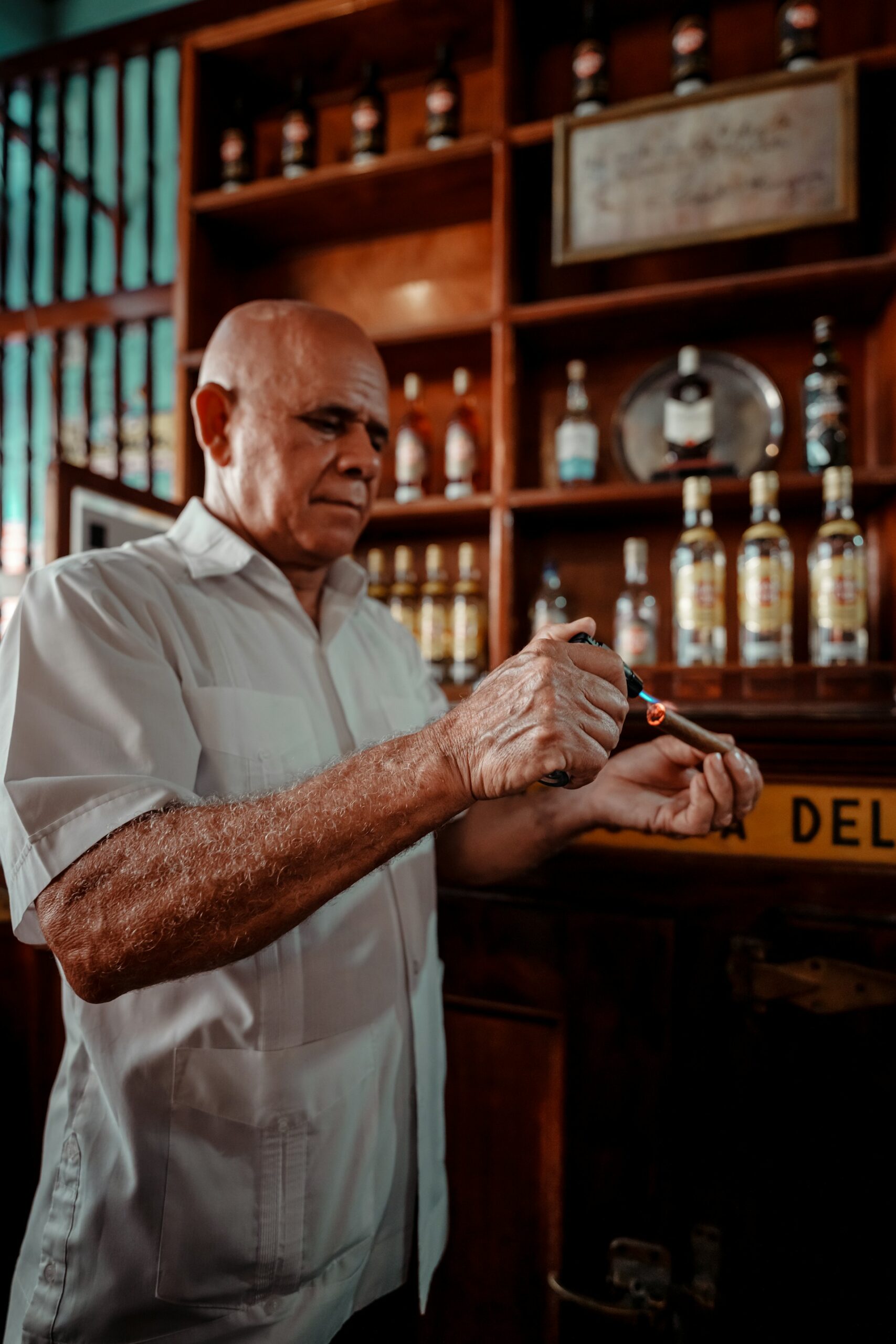
Photo by Mauro Lima
Lessons from the Streets of Havana
Ultimately, cigars only fully make sense in a place that respects time. In a poor country where you simply can’t find a lot of things that in the Western world we take for granted, a bar might open thirty minutes late and the concept of punctuality is beautifully fluid. You quickly learn to lean into the delay.
Good experiences are rarely planned perfectly; the best evenings usually happen entirely by chance. Slow, daily rituals are essential to escape our constant survival mode, and a city’s atmosphere and soul are far more valuable than standard, commercial luxury.
Havana teaches travelers to trade efficiency for atmosphere. Whether you’re sipping local rum, exploring historical architecture, or sitting quietly on a street corner, the real magic of Cuba lies in the art of doing absolutely nothing quickly.