Nuts are a versatile ingredient in the kitchen, adding crunch to salads, flavour to baked goods and richness to everything from breakfast bowls to homemade nut butter. Almonds, walnuts, cashews, pistachios and pecans are also valuable sources of plant-based protein, fibre, healthy fats, vitamins and minerals.

But does choosing organic nuts make a difference? Organic certification is primarily about how food is produced, rather than guaranteeing a higher nutritional value. In this guide, I’ll look at what the organic label means, the different types of nuts available and how to incorporate them into everyday cooking and baking.
Nuts have long been revered as nature’s compact nutritional packages, offering a delightful crunch alongside a bounty of health benefits. When you choose organic nuts, you choose nuts that are cultivated under stringent guidelines that prioritise natural growth, ensuring they are grown according to organic farming standards, which restrict the use of synthetic pesticides and fertilisers and prohibit GMOs under EU rules. Every bite you take is as pure and wholesome as nature intended.
If you have a garden or allotment, consider growing organic produce at home for health and environmental benefits and to save you money in the long run.
Beyond their health benefits, choosing organic nuts also supports sustainable farming practices, promoting a balance with nature and reducing the impact on our precious ecosystem. So, the next time you reach for that handful of nuts, think organic — it’s a choice that benefits both you and our planet.
What Does Organic Mean When It Comes to Nuts?
Organic certification relates to how nuts are grown, harvested and processed, rather than their nutritional content. Organic farming standards restrict the use of synthetic fertilisers and pesticides, although certain approved substances can still be used. In the European Union, organic production also prohibits GMOs.
Nutritionally, organic and conventional nuts are broadly similar. Both provide valuable fats, fibre, protein and micronutrients, and there is no consistent evidence that choosing organic automatically means getting more vitamins, minerals or antioxidants. The decision often comes down to farming practices, environmental considerations, personal preferences and budget.

Healthy Fruit and Nuts Energy Oat Bars
Are Organic Nuts Healthier Than Conventional Nuts?
- No nasty chemicals: The big deal about organic nuts is that they’re grown without harmful chemicals, in a way that’s kinder to the environment and you.
- Kind to the planet: Organic farming is all about being Earth-friendly. It helps keep nature’s balance intact, stops soil from washing away, and uses water wisely. When you pick organic nuts, you’re giving a little love to the environment.
- Good for your health: Since organic nuts aren’t treated with chemicals, they’re often seen as healthier. You get to enjoy their natural flavours without worrying about eating anything harmful. That’s a win for clean eating and staying healthy.
- Loaded with goodness: Nuts, organic or not, are like tiny powerhouses of nutrition. They’re packed with good fats, protein, fibre, vitamins, and minerals. So, they’re delicious and great for your body.
- They are superfoods: Nuts such as almonds are part of a balanced diet and can contribute to overall wellbeing. Discover more about unlocking the power of superfoods for optimal health.
Different Types of Organic Nuts and Their Nutritional Benefits
There’s a whole bunch of organic nuts to choose from, each with its own taste and health perks:
- Almonds: Rich in vitamin E, fibre, protein and unsaturated fats. They work well in granola, biscuits, cakes and homemade almond butter.
- Walnuts: Particularly notable for their plant-based omega-3 fatty acid content (ALA). Their slightly bitter flavour makes them a good addition to salads, breads, cakes and breakfast bowls.
- Cashews: A good source of magnesium, copper and unsaturated fats. Their creamy texture makes them useful in sauces, desserts and dairy-free alternatives.
- Pistachios: Provide protein, fibre, potassium and vitamin B6. Their distinctive flavour works particularly well in pastries, biscuits, ice cream and savoury dishes. If you’re interested in learning more about quality pistachios and their origins, you can explore the options over at Nichols Farms.
- Pecans: Rich in unsaturated fats and a source of fibre and minerals. Their naturally sweet, buttery flavour makes them particularly popular in cakes, biscuits and pies.

Photo by Raspopova Marina
How to Choose and Store Organic Nuts
When buying organic nuts, look for recognised organic certification on the packaging. In the European Union, the EU organic logo is a useful indication that a product meets the relevant production and labelling requirements. Check the ingredient list too, particularly if you’re buying roasted or flavoured nuts, as these may contain added salt, oils or seasonings.
Freshness is also important. Nuts contain natural oils that can become rancid over time, particularly when exposed to heat, light and air. Store them in airtight containers in a cool, dark place. If you buy nuts in bulk or don’t use them frequently, refrigeration or freezing can help preserve their quality.
How to Use Organic Nuts in Cooking and Baking
Nuts are easy to incorporate into everyday meals, whether you prefer eating them as a snack or using them as an ingredient. A handful of almonds or walnuts adds crunch to porridge, yoghurt and granola, while chopped pistachios make a lovely topping for cakes and desserts.
Homemade nut butter is another option. Blend roasted almonds, cashews or peanuts until smooth and use the result as a spread, add it to breakfast bowls or incorporate it into baking. You can also try it in my peanut butter cookies.
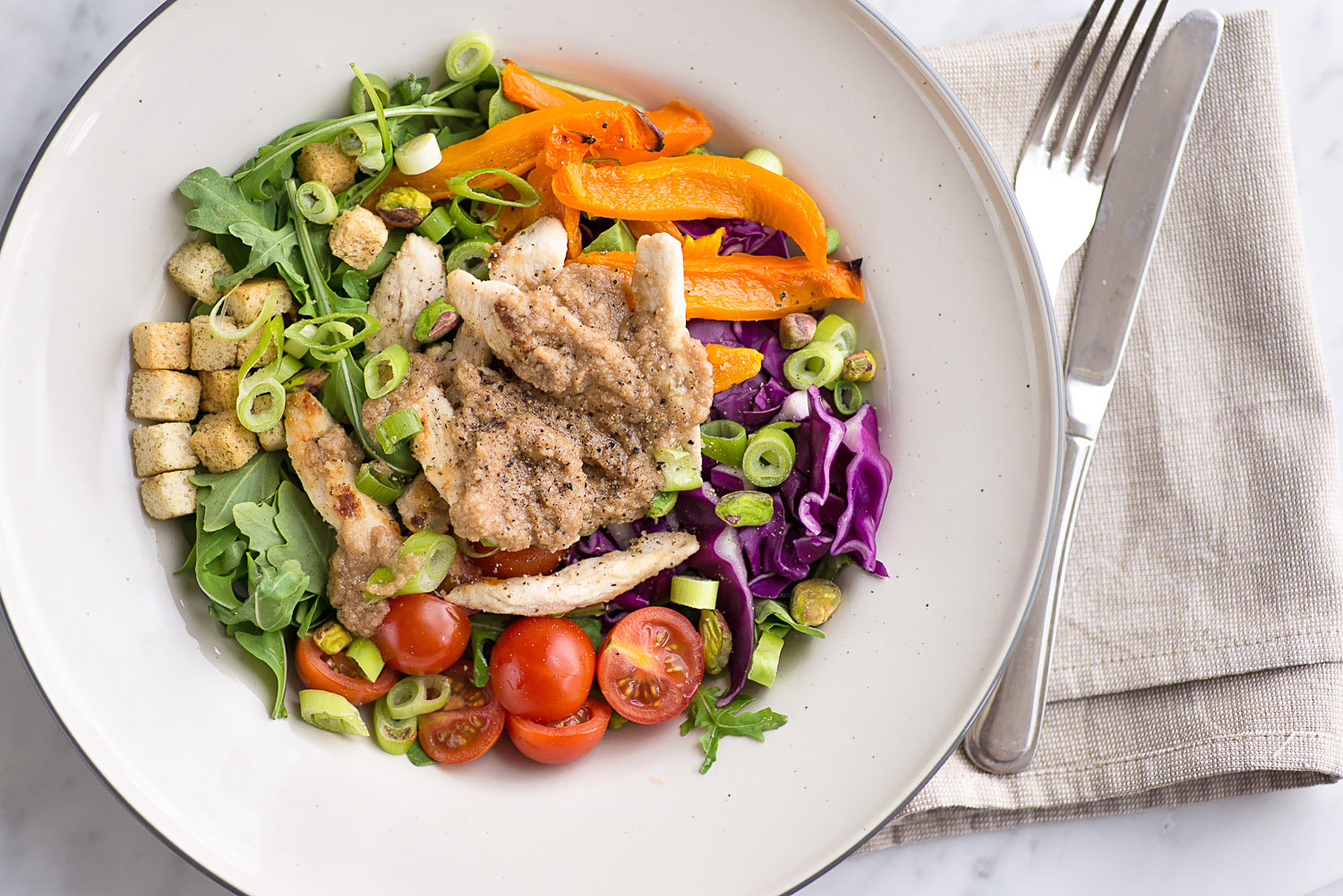
For savoury dishes, sprinkle chopped nuts over salads for extra texture and flavour. This superfood salad is one recipe to try.

Conclusion
Whether you choose organic or conventional nuts, they are a versatile and nutritious ingredient to keep in your kitchen. From almonds in homemade granola to walnuts in salads and pistachios in cakes, there are plenty of ways to enjoy their flavour and nutritional benefits.
Choosing organic is one way to support a particular approach to farming, but it doesn’t mean conventional nuts are less nutritious. Whichever you buy, look for good-quality products, check their freshness and store them properly to make the most of every handful.