Baking bread at home can be more manageable and rewarding when using a Dutch oven. This lidded pot traps steam during baking, helping develop a crisp, golden crust while keeping the inside soft and chewy. It creates an enclosed environment that mimics the conditions of a professional steam oven, allowing for even heat distribution and a reliable rise.

Home bakers often rely on this method for sourdough and no-knead recipes alike. With a few simple tools and a clear process, the Dutch oven method makes artisan-style bread accessible, even for beginners. Here’s how to approach each step with confidence.
Choose the Right Flour and Hydration Ratio
Flour choice and hydration levels have a direct impact on texture. Bread flour is often recommended because of its high protein content, which helps form the strong gluten network needed for a good rise and chew. All-purpose flour can also work, but may produce a slightly softer structure.
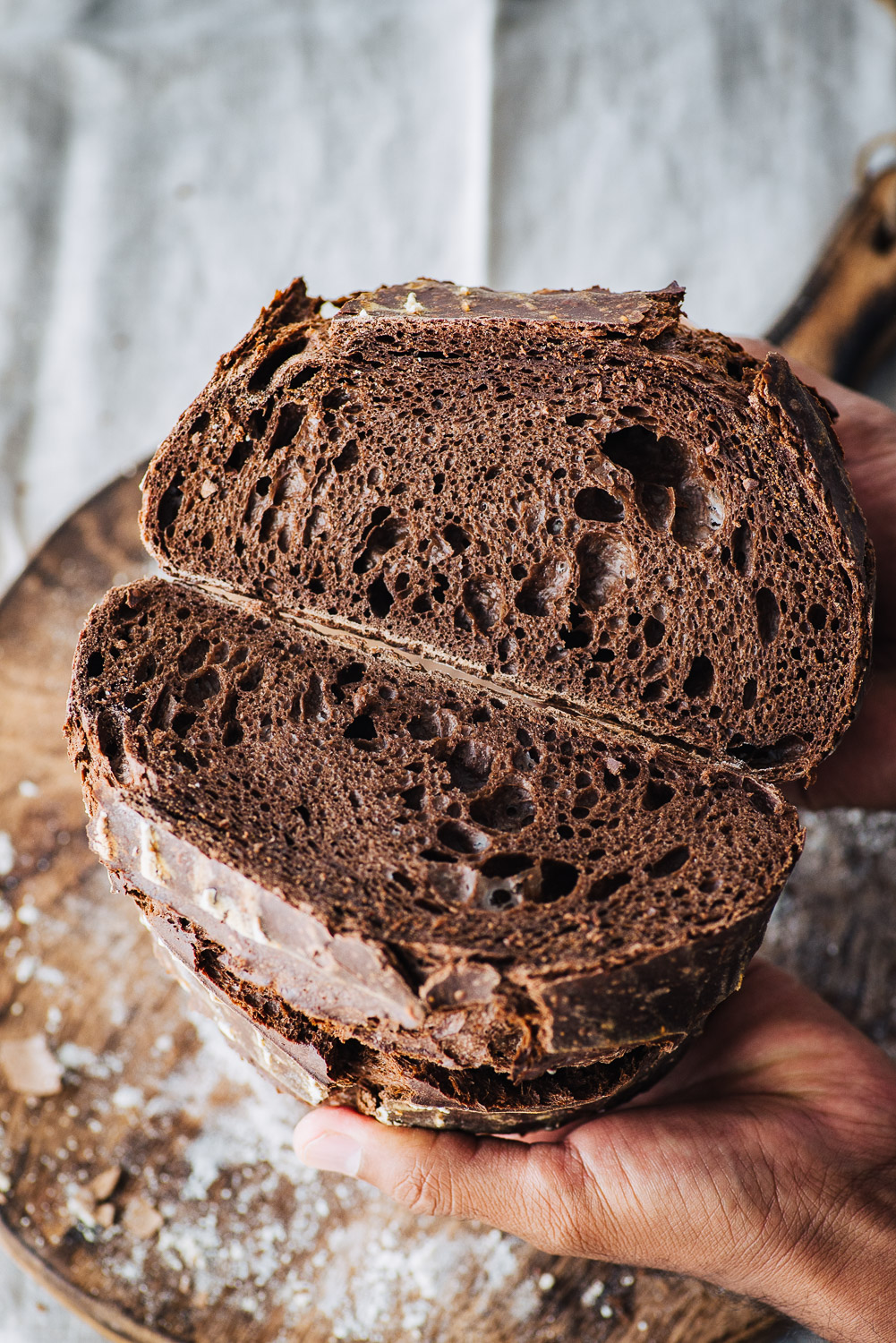
Hydration refers to the ratio of water to flour by weight. A dough with a higher hydration (typically around 70 to 80 percent) is stickier to handle but results in a more open crumb and a moist interior. Getting this balance right makes the dough more forgiving during fermentation and helps ensure the loaf rises well in the oven. It’s the foundation of both texture and consistency in home-baked bread.
Mix, Rest, and Fold the Dough
After combining flour, water, salt, and yeast, the dough needs time to rest and ferment. Instead of kneading, many home bakers use a stretch-and-fold technique, where the dough is gently pulled and folded over itself during several intervals. This method, which strengthens the gluten while keeping the process simple, is especially used when making sourdough bread.
Let the dough rest at room temperature for several hours. During this time, the yeast begins to ferment, and the dough becomes smoother and more elastic. Proper fermentation builds flavour and structure, making it easier to shape and bake later. This resting phase is essential, and while the timing can vary, the dough should look puffed and relaxed when it’s ready for shaping.
Shape and Proof the Dough Before Baking
Once the dough has gone through its initial fermentation, it’s time to shape it into a loaf. This is done carefully to avoid pressing out the built-up gas while still creating surface tension for a stable rise. A round boule or oval bâtard shape works well, depending on the size of the Dutch oven being used.
After shaping, the dough is placed in a proofing basket or a floured bowl to rise again. This second rise, called proofing, helps develop the final texture. It typically lasts an hour at room temperature or can be done overnight in the fridge for added flavour. When properly proofed, the dough should hold its shape and show slight expansion without spreading.
Preheat the Oven and the Dutch Oven Together
Before baking, both the oven and the Dutch oven need to be preheated together. Placing the dough into a cold pot won’t produce the steam burst needed for proper crust development. Preheating at 450°F for at least 30 minutes allows the Dutch oven to reach and maintain the high temperature required for the best results.
Once preheated, carefully transfer the dough into the hot pot, using parchment paper to avoid burns or sticking. Cover it immediately with the lid and return it to the oven. The lid traps steam during the first half of the bake, which helps with oven spring. Removing the lid halfway through allows the crust to finish forming and turn golden brown.
Let the Bread Cool Before Slicing
After the loaf has finished baking, it’s important to let it cool before slicing. The interior is still settling and firming up during this time, and cutting too early can lead to a gummy or undercooked texture inside. Cooling also helps preserve the crust’s structure and prevents it from becoming soft.
Place the bread on a wire rack and allow it to cool for at least an hour. This rest period makes slicing easier and ensures the loaf keeps its shape. Even though the smell may be tempting, patience at this stage improves the final result. Once cooled, the bread is ready to be sliced, stored, or enjoyed however you like.
A Simple Tool, Reliable Results
The Dutch oven method makes baking fresh, crusty bread more accessible to home cooks. With just a few ingredients and a clear process, it’s possible to produce loaves with the kind of texture and flavour usually found in bakeries.
The key is paying attention to each step (hydration, fermentation, shaping, and temperature regulation), all of which influence the final result. By using a preheated Dutch oven, bakers can rely on consistent steam and even heat, resulting in bread that rises properly and bakes beautifully.