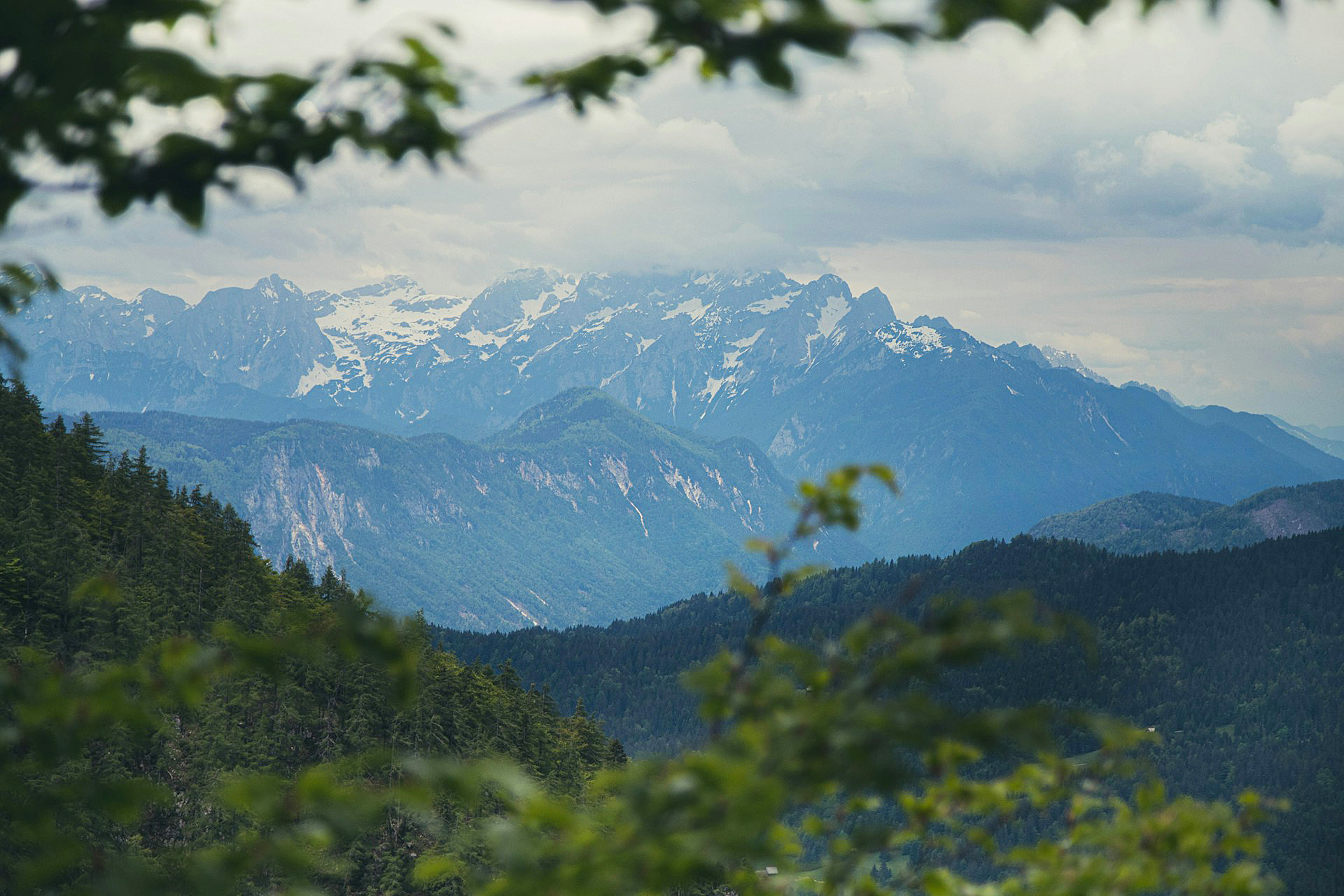
Extended alpine treks lasting 10-14 days present unique gear challenges. Unlike weekend trips where carrying extra items is manageable, or through-hikes where warm weather reduces gear needs, alpine circuits require full mountain equipment while minimizing pack weight for daily elevation changes. The Tour du Mont Blanc exemplifies this balance—serious mountain conditions demand proper gear, but 10,000 meters of cumulative climbing makes every unnecessary gram noticeable.
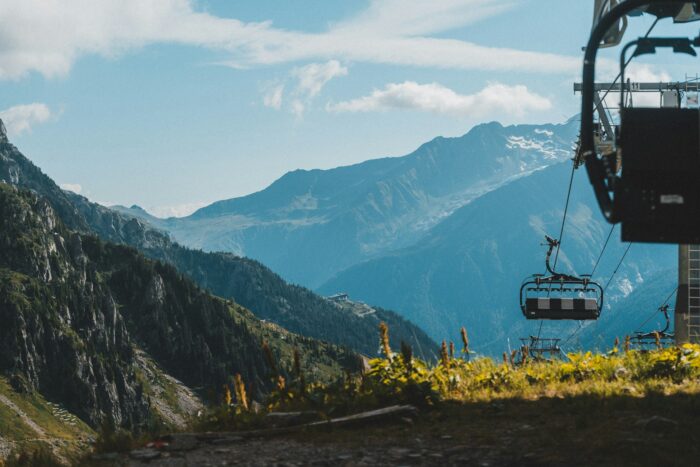
Foto de Justin Buisson
Base Weight Targets
Base weight—pack weight excluding food, water, and fuel—should target 7-10 kilograms for alpine circuit treks. Lighter is better, but not at the expense of essential safety gear or weather protection. Ultralight approaches that work for summer thru-hikes aren’t appropriate when afternoon temperatures can drop below freezing and rain can continue for multiple days.
Experienced mountain hikers can achieve 6-7 kilogram base weights through careful selection and expensive lightweight gear. Most hikers realistically carry 8-10 kilograms base weight while maintaining appropriate safety margins. Adding food, water, and fuel brings total pack weight to 10-15 kilograms depending on the section and resupply schedule.
Sleeping System Considerations
Sleeping bags for alpine circuits must handle temperatures ranging from below freezing at high refuges to warmer valley nights. A sleeping bag rated for 0 to -5 degrees Celsius provides appropriate coverage. Down bags offer the best warmth-to-weight ratio but lose insulation when wet, while synthetic bags maintain warmth when damp but weigh more and pack larger.
Sleeping bag liners add warmth, improve hygiene in shared refuge sleeping areas, and protect the bag interior from body oils and dirt. Silk or synthetic liners weigh 100-200 grams—negligible for the benefits provided. Some hikers also carry a lightweight inflatable pillow, though this is personal preference rather than necessity.
Sleeping pads are optional when staying exclusively in refuges with mattresses, but a thin pad provides insulation on cold nights and cushioning on thin refuge mattresses. Three-quarter length pads save weight while providing insulation for the torso and hips, using a pack or spare clothes under the legs.
Clothing Layer Strategy
Clothing systems for alpine circuits follow the standard three-layer approach but require thoughtful selection to cover variable conditions while minimizing weight. Base layers should include two sets—one worn, one clean—allowing washing and drying at refuges. Merino wool or synthetic materials work equally well; cotton should be avoided entirely.
Mid-layers provide insulation across a range of temperatures. A lightweight fleece jacket or synthetic puffy jacket serves for active use and moderate cold. A warmer insulated jacket—down or synthetic—is essential for cold refuge evenings, high passes, and emergency warmth. This jacket can be substantial since you’ll wear it stationary, not while hiking uphill.
Outer layers must be truly waterproof, not just water-resistant. A hardshell jacket with taped seams and a hood that accommodates a hat is non-negotiable. Waterproof pants should be easily accessible, not buried in your pack. When rain arrives in the Alps, it’s often sustained and heavy, not brief showers.
Footwear Decisions
Boot selection involves tradeoffs between support, weight, and durability. Heavy full-leather boots provide maximum ankle support and durability but add weight that accumulates over hundreds of thousands of steps. Lighter hiking shoes reduce weight but provide less support on steep terrain with a loaded pack.
Most hikers find mid-weight hiking boots the best compromise—enough support for loaded descents but lighter than expedition boots. The boots should be well broken-in before starting a long trek; new boots cause blisters that can end treks prematurely. Waterproof boots are essential given the likelihood of rain and stream crossings.
Camp shoes or sandals for refuge use are debated. They add 200-400 grams but provide relief after long hiking days and keep refuge floors cleaner. Lightweight running shoes or Crocs-style sandals serve this purpose. Some hikers skip them to save weight, but the comfort at day’s end makes them worthwhile for many.
Technical Equipment Needs for Alpine Circuits
Trekking poles reduce stress on knees during descents and provide stability on uneven terrain. They’re among the most valuable pieces of equipment for circuits involving sustained elevation loss. Collapsible poles fit more easily in packs when not in use and for easier transport to trailheads.
Navigation equipment should include both traditional and electronic tools. A detailed map and compass provide backup navigation, while GPS devices or smartphone apps help track progress and confirm position in poor visibility. Portable battery packs keep electronics charged, as refuge charging facilities are limited and often cost extra.
Headlamps are essential even in summer when days are long. They’re needed for pre-dawn starts, refuge tasks after dark, and potential emergencies. LED headlamps with multiple brightness settings conserve battery while providing sufficient light. Carrying spare batteries prevents being left without light if the primary batteries fail.
Pack Selection and Organization
Pack volume for alpine circuits typically ranges from 40-55 liters. Smaller packs force ruthless gear selection and work if staying in refuges with meal service. Larger packs accommodate camping gear or self-catering equipment but encourage carrying unnecessary items. The pack should fit properly—hip belt taking most weight, shoulder straps providing stability without pressure points.
Internal organization systems—stuff sacks, dry bags, compression sacks—help manage gear and protect it from weather. Waterproof pack liners or dry bags for sleeping bags and clothing provide backup protection beyond the pack’s rain cover. Accessibility matters: rain gear, snacks, water, and maps need to be quickly reachable without unpacking.
Water Carrying and Treatment
Water availability on the Tour du Mont Blanc is generally good, with streams and refuge taps providing sources. However, carrying capacity for 1.5-2 liters makes sense for sections between reliable water sources. Hydration bladders allow drinking while hiking but can be difficult to refill and monitor levels. Water bottles are simpler and more reliable.
Water treatment depends on sources used. High mountain streams are generally safe to drink untreated, but lower elevation sources near agricultural areas or settlements warrant treatment. Lightweight filters, chemical treatment tablets, or UV sterilizers each have advocates. The key is having a system that works reliably for your needs.
Food Packing Strategies
When planning self-guided treks with arranged accommodations, Mont Blanc hiking tour packages typically include dinners and breakfasts at refuges, simplifying food logistics significantly. Hikers carry only lunch items and snacks, reducing pack weight and eliminating the need for cooking equipment.
For those self-catering, food must balance caloric density against weight and preparation requirements. Dehydrated meals are popular but require carrying fuel and stove equipment. Energy bars, nuts, dried fruit, and packaged foods provide calories without cooking needs. Planning approximately 3,000-4,000 calories daily accounts for the energy expenditure of alpine hiking.
First Aid and Repair Essentials
It’s important to be ready in case of emergencies when visiting a new country for the first time, especially if you’re going to be outdoors. A compact first aid kit should include blister treatment supplies (the most common injury), pain relievers, anti-inflammatory medication, bandages, and any personal prescriptions. Medications for altitude sickness aren’t typically necessary for tours staying below 3,000 meters, but those with known sensitivity might include them.
Repair and emergency items include duct tape (wrapped around trekking poles to save space), spare boot laces, basic sewing kit, and lightweight emergency blanket. A small multi-tool handles various repair and adjustment needs. These items weigh little but can prevent minor problems from ending treks.
Eliminating Unnecessary Weight
Common weight savings come from eliminating duplicate items, cutting excess lengths from straps and cords, and removing packaging from items. Full-size toiletries can be replaced with travel sizes or repackaged into smaller containers. Books or entertainment devices should be minimized—one lightweight e-reader replaces multiple books.
Photographing guidebook pages rather than carrying entire books saves substantial weight. Digital copies of important documents eliminate paper weight. Being ruthless about “just in case” items—things you might use but probably won’t—keeps pack weight reasonable.
Pre-Trek Testing and Adjustment
The time to discover gear problems is before starting a two-week trek, not three days into it. Test packing your full load and taking several day hikes with that weight identifies comfort issues, missing items, or unnecessary equipment. Adjusting pack fit with full weight reveals whether the suspension system works properly for your torso length and load.
Breaking in hiking boots with loaded packs, testing rain gear in actual rain, and using all your equipment before departure prevents surprises. Know how your stove works, practice setting up your shelter if carrying one, and confirm your water treatment system functions properly. These pre-trek checks avoid problems in situations where solutions are difficult to find.