The Seychelles archipelago stretches across the Indian Ocean like scattered emeralds on sapphire silk. These 115 granite and coral islands offer sailors a paradise where turquoise waters meet powder-white beaches, and every anchorage reveals a new wonder. The decision about when to embark on this nautical adventure shapes the entire experience, from the quality of sailing conditions to the marine encounters awaiting beneath the waves.
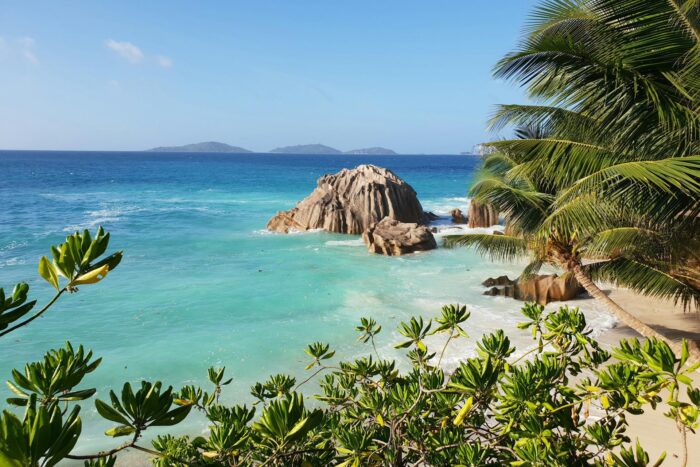
Photo by Christian Cacciamani
Planning a voyage with providers like Seychelles yacht charter requires understanding the tropical rhythms that govern these waters. The archipelago lies outside the cyclone belt, making it navigable year-round, yet distinct seasons create vastly different experiences. Trade winds dictate sea states, monsoons influence visibility, and thermal patterns determine comfort levels aboard. The best time to visit Seychelles depends on what sailors prioritize: calm seas, budget considerations, or specific wildlife encounters.
Understanding Seychelles Weather Patterns for Yacht Charters
The equatorial location gives these islands consistent warmth, with temperatures hovering between 24°C and 32°C throughout the year. This stability proves deceptive because the archipelago experiences two pronounced trade wind seasons that dramatically alter sailing conditions. The northwest monsoon arrives in November and extends through March, bringing warmer air and generally calmer seas. During this period, winds blow at 8 to 12 knots, creating manageable conditions for most vessels.
The southeast monsoon takes command from May through September, intensifying conditions significantly. Winds strengthen to 15 to 25 knots, generating choppier seas and testing both crews and craft. Between these dominant patterns lie transitional months, April and October, when winds settle, and seas flatten into mirror-like surfaces. These brief windows represent the golden periods for nautical exploration.
Humidity remains high year-round, typically ranging from 70% to 80%, though the southeast monsoon brings slightly drier air. Rainfall patterns vary by season, with the northwest monsoon delivering more precipitation. Brief tropical downpours punctuate afternoons during December through February, though they rarely disrupt sailing schedules for extended periods.
Peak Season for Yacht Charters in Seychelles
April stands as the premier month for maritime exploration. The northwest trades have exhausted themselves, the southeast monsoon has not yet awakened, and the ocean enters a state of exceptional tranquility. Seas flatten to glassy smoothness, interrupted only by gentle swells, while winds blow at a perfect 5 to 10 knots. This creates ideal conditions for sailors of all experience levels, from novices taking their first helm to seasoned captains seeking effortless passage between islands.
The best time to visit Seychelles for underwater exploration coincides with these calm periods. Visibility extends beyond 30 meters in many locations during April, allowing snorkelers and divers to observe granite boulders, coral gardens, and the abundant fish life that populates these protected waters. Water temperatures reach a comfortable 29°C, eliminating the need for thick wetsuits and making extended swimming sessions pleasurable.
May extends this favorable window, though winds begin their gradual shift toward the southeast pattern. Early May maintains much of April’s tranquility, while later weeks see increasing breeze strength. Navigation remains straightforward during this entire period, with predictable weather patterns allowing confident passage planning between islands.
Charter availability tightens during these prime months as demand surges. Vessels book months in advance, particularly catamarans with their stability and spacious layouts. Rates climb to their highest levels outside the December-January holiday peak, reflecting the superior sailing conditions. Anchorages at popular destinations like Anse Lazio on Praslin or Grand Anse on La Digue see increased traffic, though the archipelago offers sufficient alternatives to escape crowds.
October Offers a Second Golden Window
October mirrors April’s advantages with one significant difference: fewer vessels compete for anchorage space. The southeast monsoon winds down, seas calm, and the archipelago enters another brief period of exceptional stability before the northwest pattern establishes itself. Temperatures climb slightly compared to the cooler southeast monsoon months, yet remain comfortable for active sailing.
This transitional month presents compelling value propositions. Charter rates drop from their April-May peaks while conditions remain nearly identical. The best time to visit Seychelles for budget-conscious sailors often falls in October, when the balance between excellent weather and reasonable pricing reaches its optimal point. Visibility underwater remains outstanding, and the slightly cooler water temperatures from the preceding southeast monsoon attract certain pelagic species closer to shore.
Marine life encounters intensify during October. Whale sharks, the gentle giants of the ocean, frequent Seychelles waters from September through November. These transitional months coincide with plankton blooms that draw the sharks to feeding grounds around Mahé and other islands. Combining a yacht charter with whale shark diving opportunities makes October particularly attractive for nature enthusiasts.

Photo by Todd Cravens
Sailing During the Northwest Monsoon
December through February represents the high tourism season, driven by Northern Hemisphere winter escapees seeking tropical warmth. Weather conditions favor beach activities and leisure sailing rather than ambitious passage-making. The northwest monsoon delivers its calmest periods during January and February, when winds moderate and seas smooth despite occasional rainfall.
These months suit families and groups prioritizing onboard comfort over sailing performance. Temperatures peak, sometimes exceeding 31°C, though sea breezes provide natural cooling. The best time to visit Seychelles for those combining yacht charters with resort amenities falls during this period, as the entire tourism infrastructure operates at full capacity.
Charter costs escalate significantly during December and January, particularly around Christmas and New Year. Availability requires booking six to twelve months ahead. Popular anchorages become crowded, and securing mooring balls at marine parks demands early arrival. The trade-off comes in predictably pleasant conditions and the festive atmosphere pervading the islands.
November and March function as shoulder months within the northwest monsoon. November sees the transition from southeast conditions, bringing gradual calming of seas and strengthening warmth. March witnesses the opposite shift, as the northwest pattern weakens and hints of the coming southeast monsoon appear. Both months offer moderate pricing and decent sailing conditions for flexible travelers.
Understanding the Southeast Monsoon Challenge
June through August brings the archipelago’s most robust sailing conditions. The southeast monsoon establishes itself firmly, generating consistent winds that appeal to experienced sailors but challenge beginners. Waves build on windward coasts, particularly affecting the southern and eastern shores of the main islands. Anchorages on these exposures become untenable, forcing vessels to seek protection on leeward sides.
The best time to visit Seychelles for adventurous sailors falls during these months, when wind strength enables exhilarating sailing but demands competent seamanship. Temperatures drop slightly, ranging from 24°C to 28°C, creating more comfortable conditions for active sailing. Humidity decreases, and rainfall diminishes compared to the northwest monsoon months. The trade-off comes in rougher passages and limited anchorage options.
Protected locations on northwestern coasts remain viable throughout the southeast monsoon. Beau Vallon Bay on Mahé, Côte d’Or on Praslin, and certain La Digue anchorages maintain relative calm even when winds blow strongly elsewhere. Sailors who understand lee shore principles and plan routes accordingly continue exploring successfully during these months.
Significant cost advantages emerge for those willing to accept livelier conditions. Charter rates drop substantially from peak season levels, sometimes by 30% to 40%. Fleet availability improves dramatically, with premium vessels often bookable on shorter notice. Empty anchorages and uncrowded beaches reward those who venture out during this off-peak period, creating intimate experiences impossible during busier months.
| Season | Months | Conditions | Best For |
| NW Monsoon | Nov – Mar | Calm, warm, humid | Families & Leisure |
| Transitional | Apr & Oct | Glassy seas, clear water | Diving & Novice Sailors |
| SE Monsoon | May – Sept | Strong winds, cooler air | Experienced Sailors |
Ultimately, the Seychelles refuses to be a “one-season-fits-all” destination. While many travellers often compare these granite peaks to the coral atolls of the Maldives, the Seychelles offers a more rugged, diverse sailing experience that changes significantly with the seasons.

Photo by Luca Cavallin
Whether you are chasing the mirror-flat turquoise lagoons of April, the exhilarating winds of the southeast monsoon, or the rare thrill of swimming alongside whale sharks in October, these islands offer a rhythm for every type of traveler. By aligning your voyage with the archipelago’s natural cycles, you do more than just book a holiday; you ensure that your time among these emerald islands is as seamless as the silk-like waters themselves. Raise your sails when the timing is right for you, and the Indian Ocean will undoubtedly provide the magic.