
Whether you’re wandering through colourful neighbourhoods in London, enjoying an espresso in Rome, or spending an afternoon exploring museums in Paris, city breaks offer a wonderful way to experience a destination in just a few days. Rather than rushing from one attraction to another, they invite travellers to immerse themselves in local culture, cuisine, architecture, and everyday life. It’s no surprise that short city escapes have become increasingly popular among travellers looking for meaningful experiences without taking weeks off work.

Photo by Bethany Opler on Unsplash
While beach holidays certainly have their appeal, many travellers are now looking for shorter, experience-led escapes that combine culture, gastronomy, history, and local life. City breaks offer exactly that, making them an ideal choice for a refreshing getaway throughout the year.
As travellers increasingly seek meaningful experiences over longer holidays, short city escapes have become the perfect way to enjoy a cultural and mental reset.
Why City Breaks Feel So Rewarding
City breaks are naturally a more active kind of holiday than a beach getaway. Unlike holidays centred around relaxation by the pool or beach, city breaks encourage exploration and discovery. Not only this, but city breaks allow you to pack a huge variety of experiences in just 48 to 72 hours – allowing you to experience museums, cafés, markets, historic landmarks and neighbourhoods in a remarkably short amount of time. After such a short trip, you still return to work feeling like you’ve been away for a week.
How Short Trips Help You Recharge
One reason short city breaks feel so rewarding is that filling your days with new sights, flavours, and experiences can make time seem to slow down. Even a 48-hour itinerary in Florence can leave you feeling as though you’ve been away for much longer. Rather than saving all your holiday time for one annual trip, taking several shorter breaks throughout the year can provide more frequent opportunities to relax, explore, and recharge.
The benefits don’t end when the trip is over. A recent study found that the “feel-good” effect of a holiday can last up to 43 days after you return, meaning that smaller, more frequent city trips are invariably more effective than one massive annual holiday both during and after. With a multi-break year, regular “micro-resets” give you something positive to look forward to every few months, and more holiday afterglow for your money too.
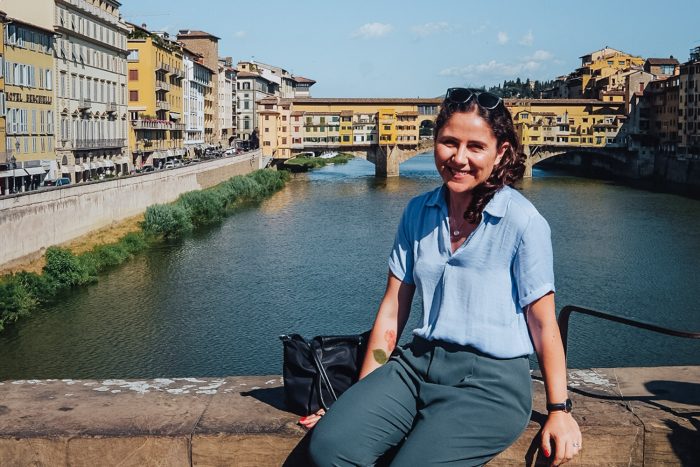
Making the Most of Your City Break
Of course, there are downsides to city trips. Summer is one of the most popular times for travel, but rising temperatures can make sightseeing more challenging. Fortunately, cities offer plenty of opportunities to cool down, from leafy parks and shaded squares to museums, galleries, historic churches and air-conditioned cafés. Planning outdoor activities for the early morning or evening also makes exploring much more enjoyable.
Summer is one of the most popular times for city breaks, but rising temperatures can make sightseeing more challenging. Fortunately, there are plenty of ways to stay comfortable, from exploring leafy parks and gardens to taking breaks in museums, galleries, historic churches, and air-conditioned cafés. Planning your sightseeing for the early morning or late afternoon can also help you avoid the hottest part of the day. If you’re travelling during a heatwave, these practical tips for staying cool while travelling can help you enjoy your trip more comfortably.
Discover a City Through Its Food
Food is often the fastest way to understand a destination. Visiting local markets, independent cafés, neighbourhood bakeries and family-run restaurants offers insights into a city’s history and traditions that guidebooks can’t provide. Sampling regional dishes and seasonal ingredients turns every meal into part of the travel experience. One of the best ways to experience a destination is through its food, from browsing local markets to dining in family-run restaurants.
Pairing local food experiences with visits to museums, galleries, and historic landmarks offers a deeper understanding of the city’s culture and heritage.
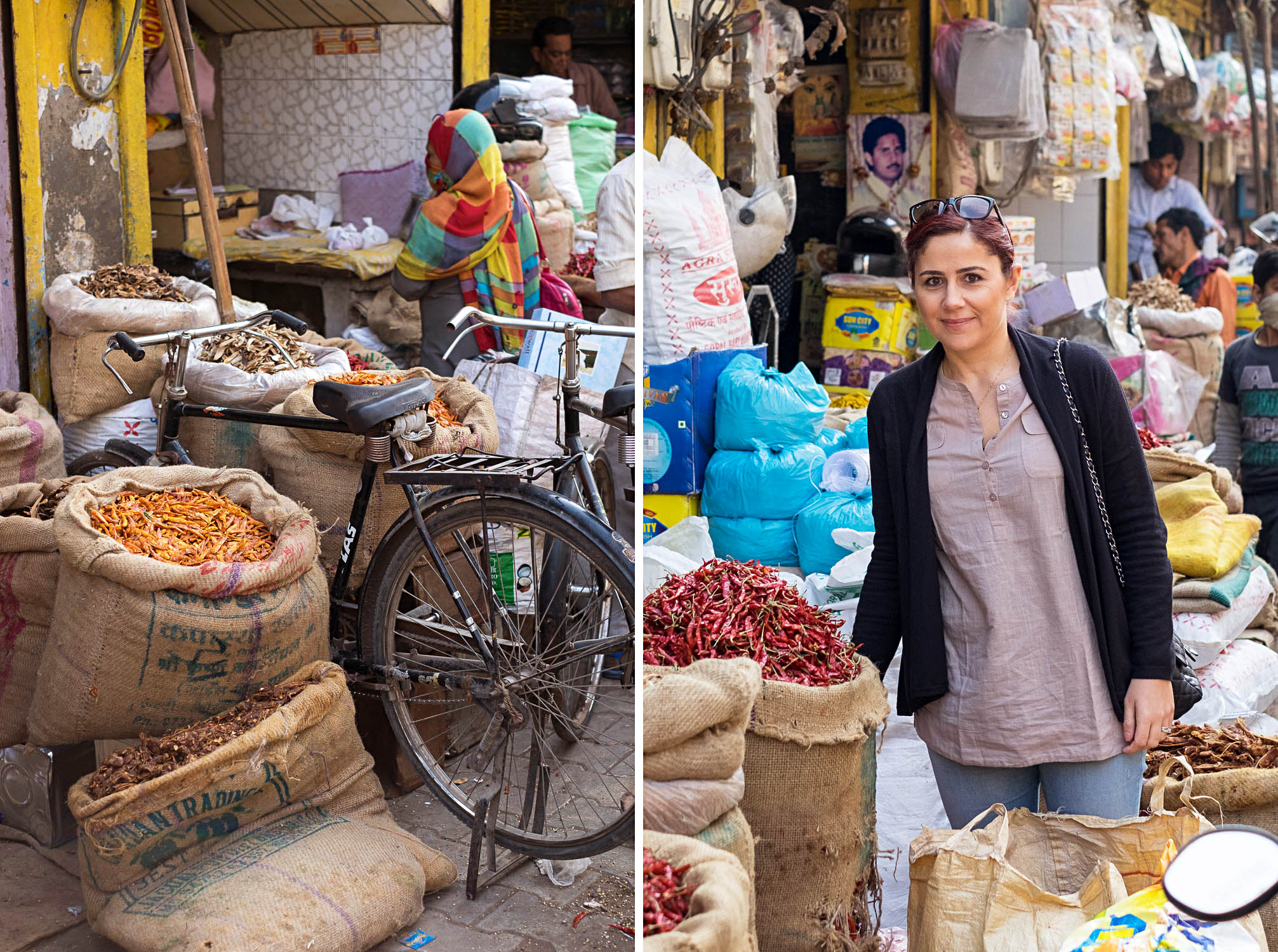
Visiting a spice market in India
Embracing Slow Travel in the City
Another potential downside of city holidaymaking over beach-lounging is that of pace. Sometimes, you want a slow, restorative holiday, not a hectic one. Fortunately, slow travel has become increasingly popular, encouraging travellers to spend more time discovering fewer places in greater depth. For instance, the “Slow City” approach would be that of spending three days in just one district of a larger city, hence deep-diving into the local culture in a way you’d never otherwise get to.
Rather than trying to tick every attraction off your list, choose one neighbourhood and experience it like a local. Visit the morning market, return to the same café for breakfast, browse independent shops, and explore quiet side streets. Slowing down often leads to more meaningful discoveries than following a packed itinerary.
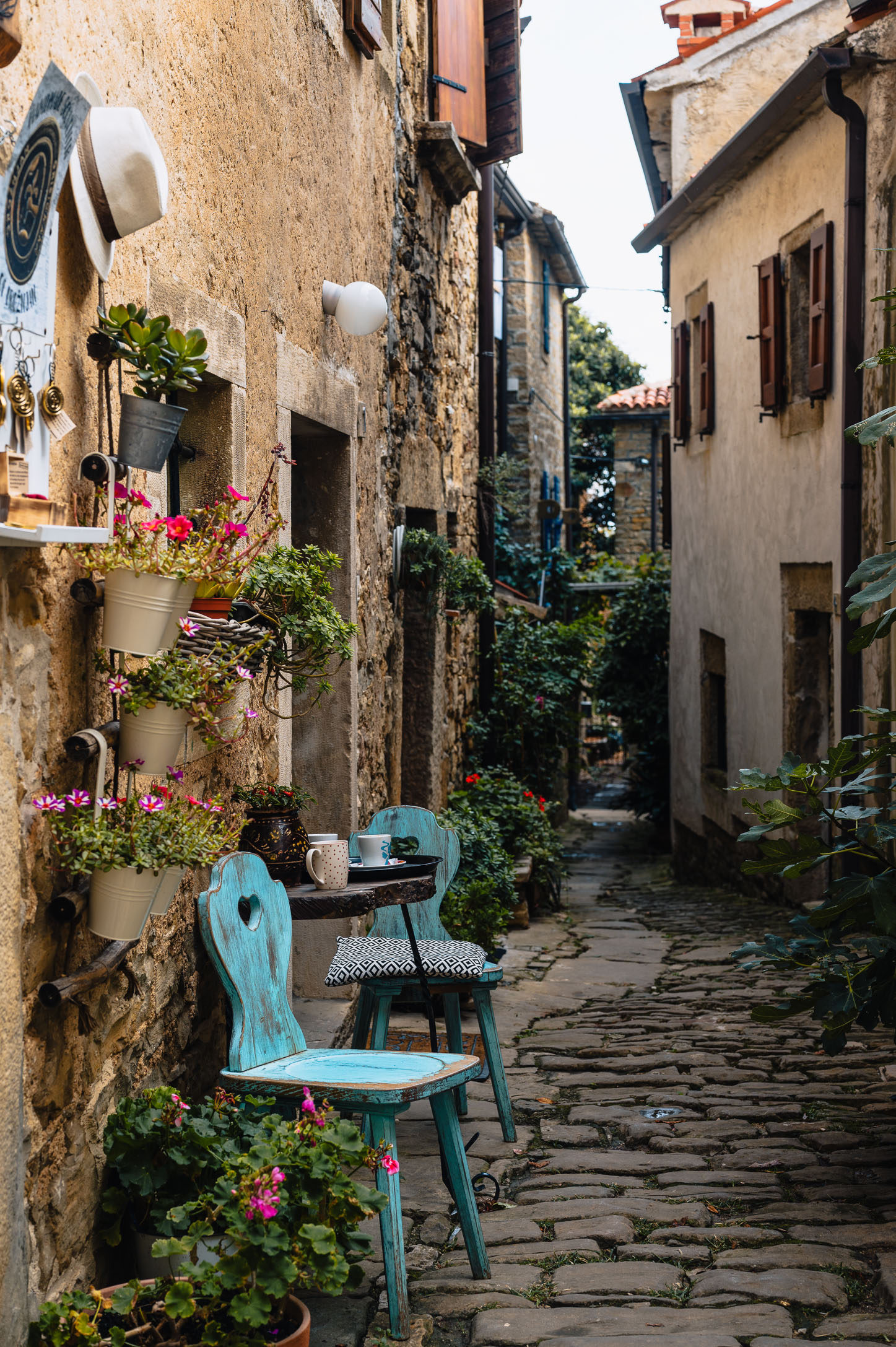
Slow Down in Local Cafés
One of the pleasures of an urban getaway is taking time to sit in a neighbourhood café and observe everyday life. Instead of rushing from one attraction to the next, pause over a specialty coffee and simply watch the city unfold. Taking time to choose an independent café can transform a simple coffee stop into one of the highlights of your trip. Every café has its own character, from minimalist specialty coffee bars to historic cafés with decades of tradition. Paying attention to the atmosphere, the people, and even what you order can make the experience even more memorable.
Many independent cafés also showcase locally roasted coffee and homemade pastries, offering another delicious way to experience a city’s culinary culture.
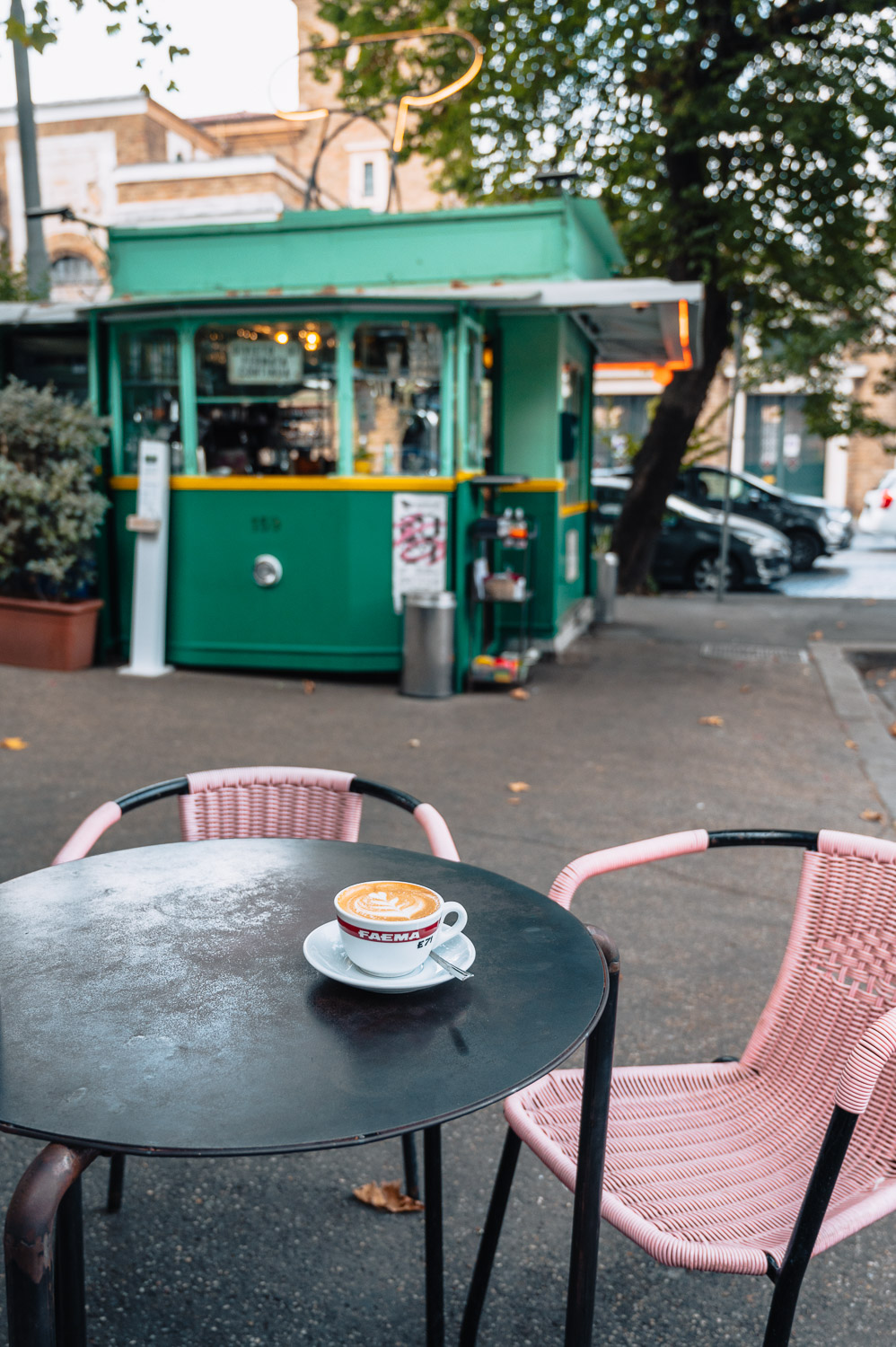
Enjoying a cappuccino at a neighbourhood café in Rome
Walk Instead of Rush
Many of the world’s most interesting cities are best explored on foot. It’s also a more sustainable way to travel, reducing your reliance on taxis or other forms of transport while allowing you to experience a destination at a slower pace. Walking gives you the freedom to wander beyond the main tourist attractions, uncovering hidden courtyards, independent bookshops, artisan bakeries, colourful street art, charming cafés, and architectural details that are often missed from a car or bus.
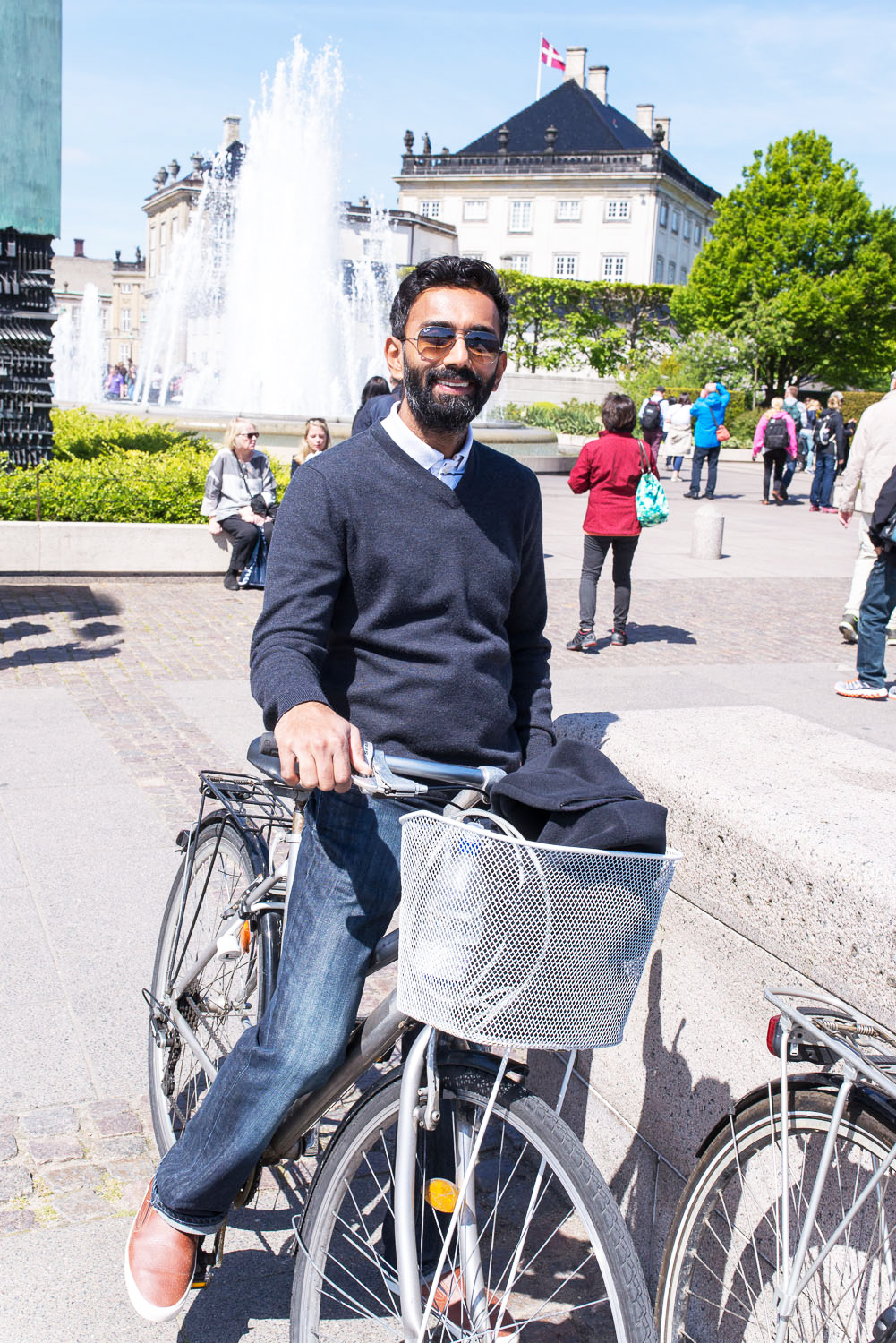
Whether you’re planning a weekend escape to Rome, Copenhagen, Lisbon or Kraków, a city break offers far more than sightseeing. It’s an opportunity to connect with local culture, discover memorable food, support independent businesses, and return home with fresh inspiration.
By slowing down, exploring on foot, and embracing everyday moments, you’ll discover that the most rewarding travel experiences rarely come from ticking attractions off a list. Instead, they’re found in neighbourhood cafés, bustling markets, quiet side streets, and the everyday moments that reveal the true character of a city.








[…] by the sea. If you’re considering a shorter trip rather than a longer itinerary, my guide to why short city breaks are so rewarding explores some of the pleasures of travelling this […]