If you’re a travel photographer or someone who loves exploring cities, the start of a cruise can actually be one of the most visually exciting parts of your trip. Before the ship even pulls away from the harbour, there’s already so much to capture, that early morning light dancing across the water, the movement and energy on the docks, the fascinating contrast between centuries-old cities and these massive modern vessels. And while people often focus on finding the right cruise deals, the departure ports themselves are frequently overlooked, which is a shame, because Europe’s cruise ports offer some genuinely striking photo opportunities.

Photo by Giannis Agathokleous
While it’s easy to get lost in the logistics of finding the perfect cruise for your travel style, the departure ports themselves are frequently overlooked. This is a missed opportunity
for any photographer, as Europe’s cruise ports offer some of the most striking visual stories before you even leave the dock.Take embarkation day with Cruises from Southampton, for instance. For many travellers, this is their first real chance to document the scale and character of what a cruise holiday actually looks like. Southampton’s got this interesting mix of historic docks and sleek contemporary terminals that makes it a solid starting point. But it’s definitely not the only European port worth your attention. Across the continent, you’ll find ports that blend architecture, culture, and maritime heritage in ways that are absolutely ideal for travel photography.
Southampton as a Gateway to Europe
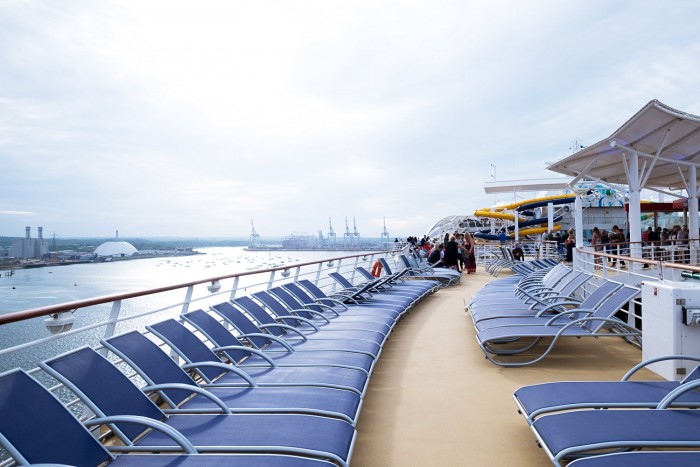
Southampton is one of Europe’s most recognisable cruise departure points, and there’s good reason for that. From a photography standpoint, what you get here is space, wide open spaces, clean sightlines, varied backdrops. Places like Mayflower Park and Ocean Village? Perfect vantage points. You can set up wide-angle shots that frame the ships alongside city skylines and that gorgeous stretch of open water.
The port really comes alive in the early morning. Soft light reflecting off the water and those massive ship hulls. It’s beautiful. Evening departures have their own magic too, sunset tones mixing with illuminated decks creating this almost cinematic atmosphere. And here’s a tip: don’t just photograph the ship itself. Include details. Ropes. Terminal signage. Those boarding walkways. These elements help you tell the story of departure rather than simply documenting a big boat. To catch the ships against the best morning light, check the live Southampton cruise schedules to time your arrival perfectly at Mayflower Park.
Barcelona: Colour, Movement, and City Life
Now Barcelona, this is one of Europe’s most visually engaging cruise ports, hands down. The port sits close to the historic centre, which means you can easily combine maritime photography with urban exploration. You’ve got ships framed against Montjuïc, palm-lined promenades, and beyond that, the city’s distinctive architecture spreading out before you.
Light is everything here. The Mediterranean sun creates these strong contrasts that are just perfect for bold compositions and picking out architectural details. Early morning gives you softer tones, which is lovely, but late afternoon? That’s when you get those long shadows and warm colours that make everything glow. The surrounding streets are brilliant too, candid photography opportunities everywhere. Travellers, port workers, the whole rhythm of city life in motion.
Malaga: Mediterranean Light and Modern Geometry
Malaga is where the sheer scale of a cruise ship meets the warm, storied heart of Andalusia. The port area—known as Muelle Uno—is a photographer’s playground, offering a distinct visual dialogue between the old and the new. You have the striking, multi-colored glass “Cube” of the Centre Pompidou sitting right on the harbor, framed perfectly against the backdrop of the historic Alcazaba fortress. It’s that signature Malaga contrast: sleek, modern geometry anchored by centuries of stone-walled history.
The light here is incredibly generous, often soft and golden, which makes the harbor glow in the late afternoon. My favourite shot? The La Farola lighthouse as the sun dips low, with the palm-lined promenade leading the eye toward the ship. Because Muelle Uno is so pedestrian-friendly, you can easily capture the rhythm of the port—fishermen, locals enjoying a sunset stroll, and the steady movement of the ships—without the frantic energy found in larger terminals.
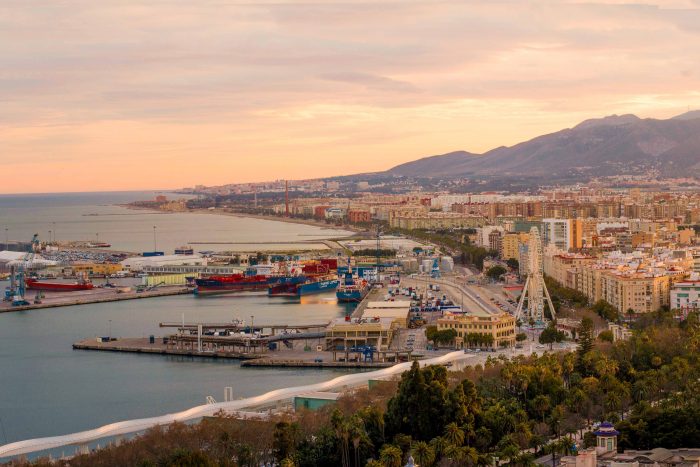
Photo by Adrianna Calvo
Venice: A Unique Departure Experience
Few ports offer the visual drama that Venice does. Yes, regulations around ship movements have changed in recent years, but the city remains one of the most distinctive places to begin a cruise. For photographers, Venice is a dream: reflections, symmetry, layered compositions that are genuinely hard to replicate anywhere else.
What you want to focus on is capturing the relationship between water, architecture, and movement. Gondolas, vaporetto stops, those historic buildings, use them for foreground interest, and let the cruise ship become part of a wider scene rather than making it your sole subject. Misty mornings add this incredible atmosphere. And if you can get out during the quieter early hours, you’ll have space to work without crowds dominating every single frame.
To truly capture the soul of the city without the crowds, I always recommend arriving a few days before your ship sails. Spending a morning wandering the quieter Cannaregio district or finding a tucked-away osteria—I’ve shared my favorite spots in this guide on where to stay and eat in Venice—gives you the time to find those layered compositions that define the Venetian experience.

Photo by Rebe Adelaida
Marseille: Grit, History, and the Mediterranean
Marseille offers something different, a more rugged photographic style. As one of Europe’s oldest ports, it’s got this fascinating combination of industrial elements, historic landmarks, and natural scenery all mixed together. The contrast between these sleek modern cruise ships and the old port creates strong visual tension. Perfect for storytelling images.
Get yourself to an elevated viewpoint and you can capture the scale of the harbour. But don’t forget street-level shots, they reveal the everyday life around the port in ways that elevated views can’t. Textures are your friend here: weathered stone, rusted metal, rolling water. These add depth and character to your images. Marseille is particularly appealing if you enjoy a documentary approach to photography.
For the rugged, industrial documentary style, the Marseille Provence Cruise Terminal serves as a fascinating entry point into one of the Mediterranean’s oldest maritime cities.
Northern Europe: Clean Lines and Subtle Light
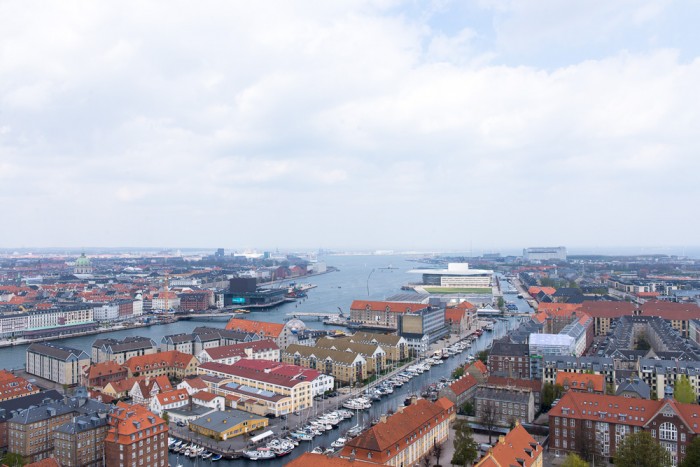
Ports in Northern Europe, Copenhagen, Stockholm, Hamburg, they offer a completely different photographic mood. Clean architecture. Calm waterways. Softer light. It all creates this minimalist aesthetic that’s quite beautiful in its own way. These ports are well suited to photographers who favour composition, balance, and subtle colour palettes over drama.
Reflections work especially well in these calmer waters. And the surrounding cities often provide elevated walkways or waterfront paths that give you varied perspectives to work with. Including cyclists, ferries, or modern buildings in your shots helps place the cruise experience within the wider rhythm of the city, which adds context and interest.
Tips for Photographing European Cruise Ports
Regardless of where you’re shooting, preparation matters. Research port layouts ahead of time, it helps you identify safe and accessible viewpoints before you’re standing there with your camera wondering where to go. Arrive early. Give yourself time to explore your surroundings, test different compositions, observe how the light changes throughout the morning or evening.
Include people in your images. They add scale and narrative. But also focus on details, signage, flags, ship features. This creates visual variety and keeps things interesting. Wide-angle lenses are brilliant for capturing scale, while longer lenses let you take discreet candid shots and create those compressed perspectives across water and cityscapes.
And please, don’t see weather as a limitation. Overcast skies can actually soften harsh contrasts in a really pleasing way. Rain enhances reflections and adds mood. European ports often look their most atmospheric in less predictable conditions. You just need to be willing to adapt.
Conclusion
Cruise departure ports across Europe offer genuinely rich opportunities for travel photography. They combine maritime tradition with diverse urban landscapes in ways that are endlessly photogenic. From the structured elegance of Northern Europe to the warmth and colour of the Mediterranean, each port brings its own visual language and character.
Whether you’re documenting the anticipation of departure or exploring the surrounding city, there are compelling stories to be found before the ship ever leaves the dock. Pay attention to light, composition, and context, and embarkation day becomes an essential part of your travel photography experience, not just the beginning of the journey, but a destination in itself.
As you plan your journey beyond the port, remember that the story of a place is told through its flavors as much as its architecture. For those travelling with a crew in tow, look for culinary cruise excursions for families that offer a taste of local life—perfect for capturing those candid, ‘small human moments’ that make a travel album feel complete.