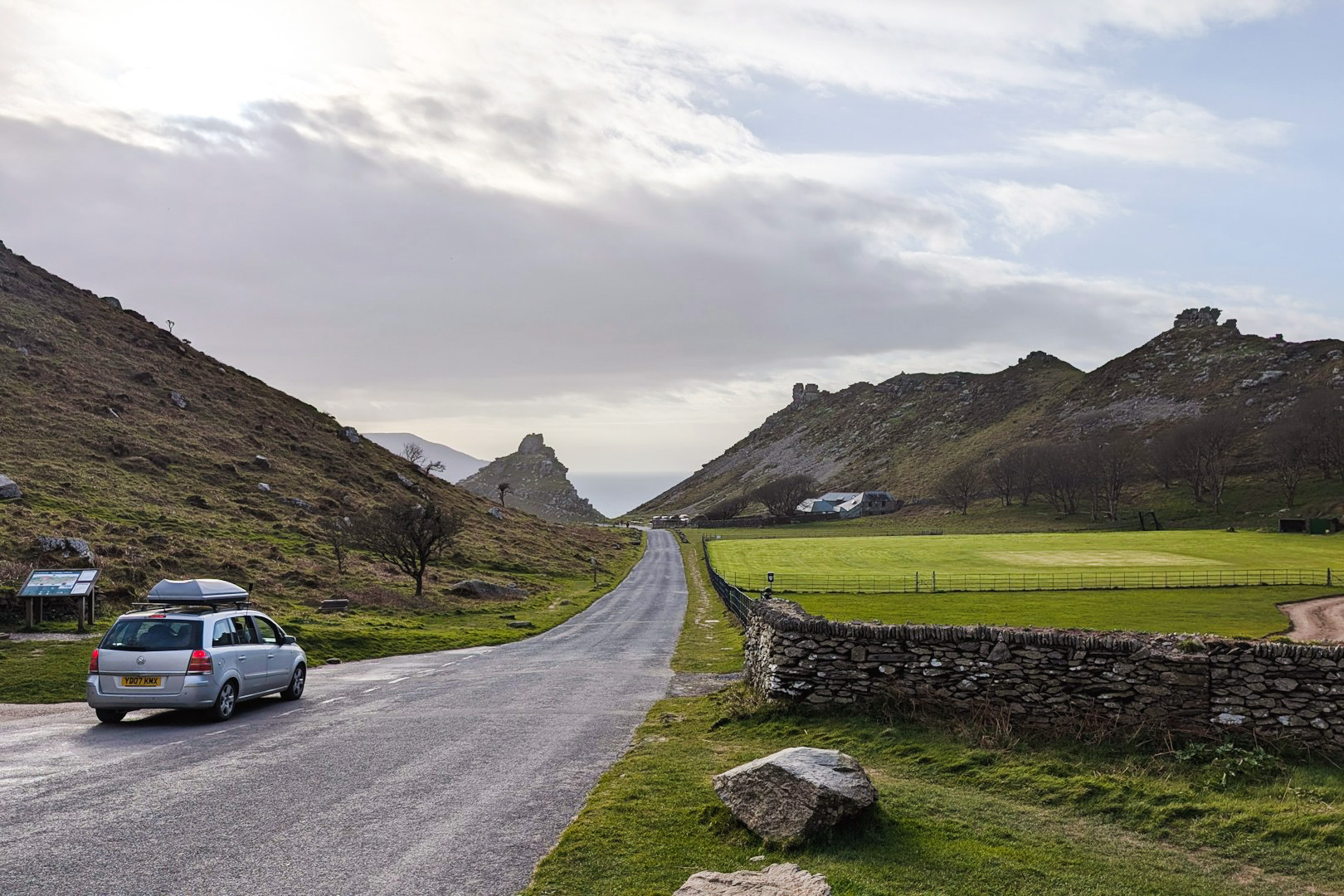
Slow travel has a particular packing problem. You are not moving every two days like a whirlwind tour, so you have time to actually wear things, but you are also not staying in one place long enough to need a full wardrobe. As more people pivot away from crowded, fast-paced itineraries, major travel authorities like National Geographic have highlighted the global shift toward slow travel, noting that the best journeys focus heavily on immersive experiences that support local communities and ecosystems. Yet, for many travellers trying to adapt to this pace, the immediate result is a bag that is both too heavy and somehow still missing the right thing on a holiday in Puglia.
The Multi-Tasking Hero Piece: From Day to Night
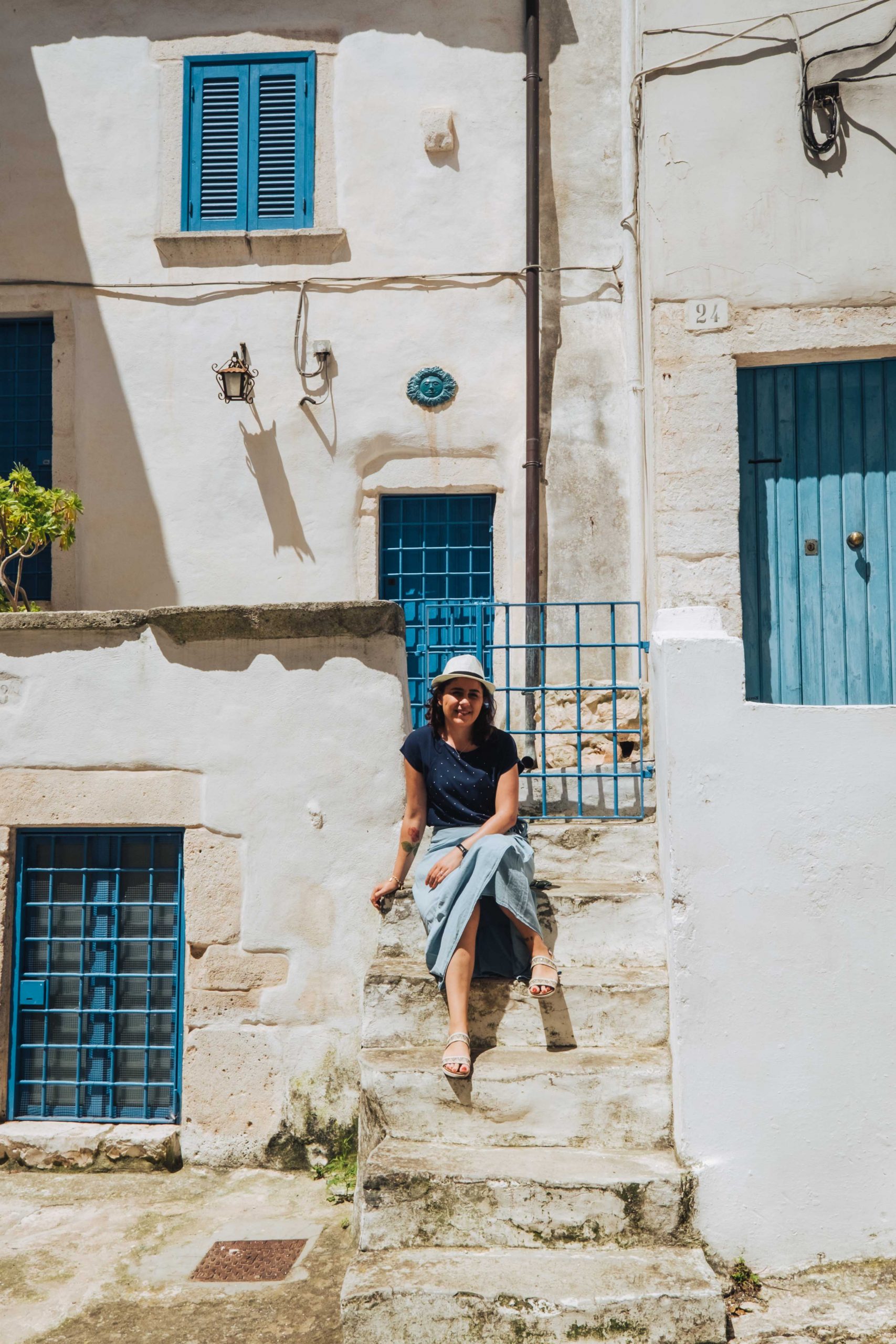
The solution most experienced slow travellers arrive at is building around a small number of genuinely versatile pieces rather than trying to cover every scenario with a specific outfit. Long dresses from SKIMS sit at the useful end of that approach: they are lightweight, they compress well, and they read differently depending on how you style them. A single dress can cover the morning’s temple visit, the afternoon’s beach walk, and the evening’s seafood dinner without requiring a change.
That matters more on a slow travel itinerary than a fast one – when you are in the same city for five days, your wardrobe needs to do more visual work with fewer pieces. Integrating highly functional garments into a capsule layout is one of the most effective packing list essentials for international trips to keep your baggage light and structured.

Photo by Sarah Brown
Why Culturally Rich Destinations Reward Thoughtful Dressing
The global destinations that truly define the slow travel movement tend to be warm, culturally rich, and uniquely attuned to how locals and visitors present themselves. Whether you are exploring historic European neighbourhoods, vibrant Mediterranean coastal towns, or deeply traditional regions, there is often an underlying appreciation for effortless presentability. A well-chosen long dress navigates these varied settings beautifully: it remains modest enough for visiting sacred religious sites or historic monuments, stays relaxed and breathable enough for long afternoons spent lingering at local open-air cafes, and easily transitions to an elegant look that feels right at a waterfront dinner at sunset.
By prioritizing versatile, high-quality items over excess outfits, you can seamlessly adapt to any local custom without overcomplicating your luggage.
Photo by Geio Tischler
The Packing Arithmetic
Every seasoned traveller has their own version of the rule, but most converge on the same principle: pack half of what you think you need. For a two-week slow travel trip, that might mean two long dresses, two pairs of lightweight pants, a few tops, and one pair of shoes that genuinely works across all of it.
Keeping your luggage intentionally light also ensures you have physical space to bring home local, handcrafted artisanal textiles and garments discovered on your journey. Investing in these unique pieces directly feeds back into the destination’s economy, offering a meaningful way to bypass mass-produced fast fashion while creating a wardrobe filled with actual memories.
The environmental cost of fashion overconsumption is well documented, and travel packing is one place where individual choices add up. Travelling with fewer, better items is not just practical – it is a small but genuine contribution to travelling more responsibly.
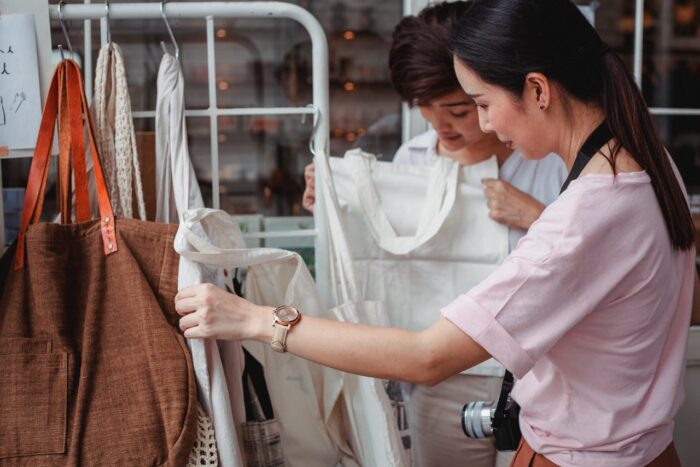
Photo by Sam Lion
Fabric is The Deciding Factor
A jersey or modal garment packs flat, emerges wrinkle-free, and dries quickly after washing. Pure cotton wrinkles badly under compression. Anything structured or dry-clean-only has no business in a slow travel bag.
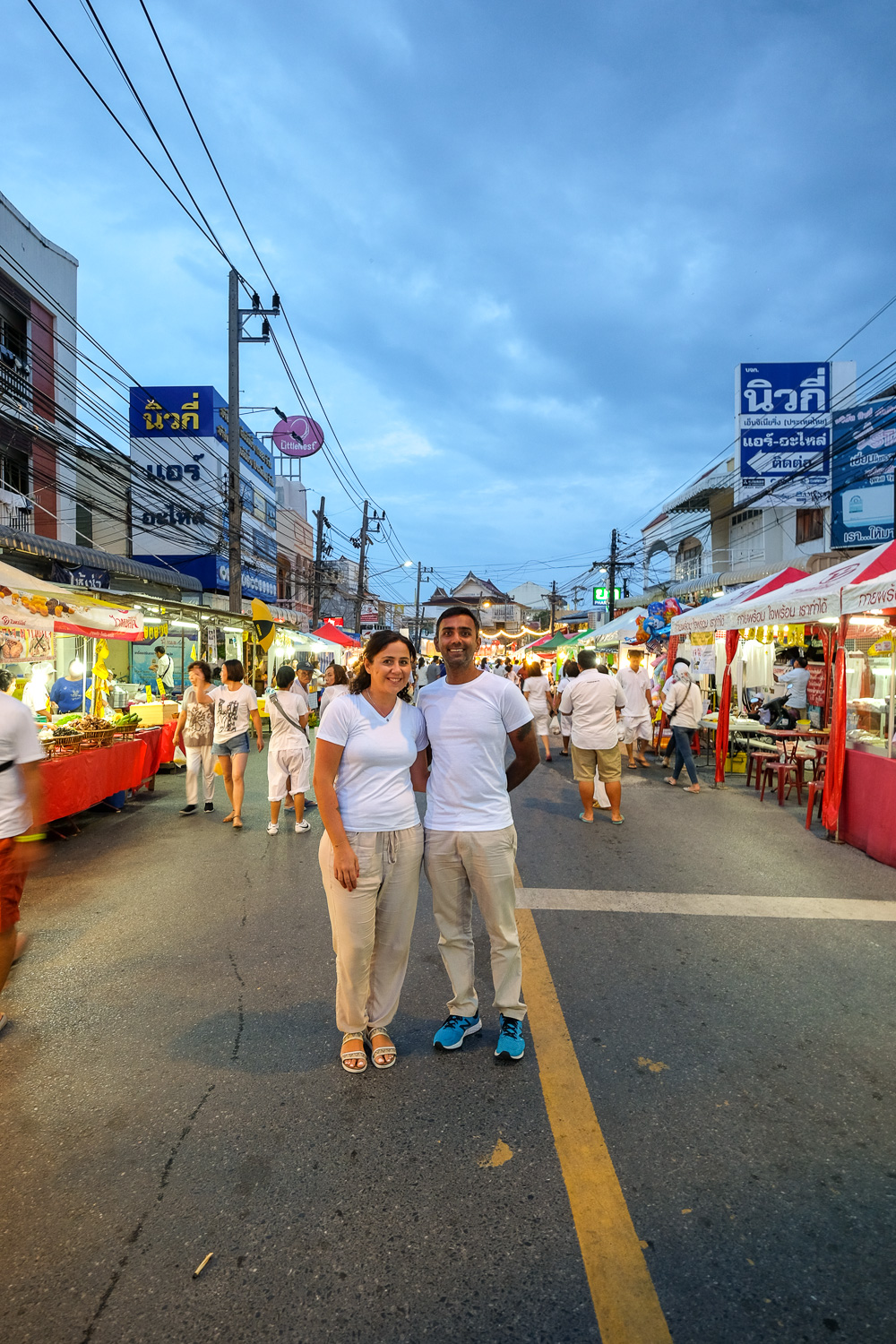
Length matters too. Ankle-length cuts—including flowing dresses and full-length pants that completely cover the legs—are the most versatile choices for navigating South Asian climates and highly traditional regions. This specific silhouette provides the necessary, respectful coverage required when entering holy spaces or traveling through very religious countries, allowing you to move around freely without causing unintended offense. It comes across as intentional without being formal, and it transitions between settings more smoothly than a midi. Whether you are stepping off a boat in Positano or wandering through a spice market in India, the full-length silhouette requires no adjustment for context.
The Wardrobe That Lets You Actually Be There
The best travel wardrobe is the one you stop thinking about. When every piece works across multiple contexts, your mental energy goes to the places you are in rather than to what to wear to each of them. For slow travel built around genuinely absorbing a place – its food, its light, its pace – that kind of clarity is worth more than having the right specific outfit for every occasion.
Pack less. Choose better. Then actually be there.