
Choosing the right flooring materials is a crucial decision in any interior design project, impacting both aesthetics and functionality. For those focused on durability, the debate between natural stone floor tile and porcelain tile is a common one. Both options have their merits and drawbacks, making it essential to understand their distinct properties. This article will explore the durability of natural stone and porcelain tiles, compare their maintenance needs, and assess which option offers greater longevity and value.
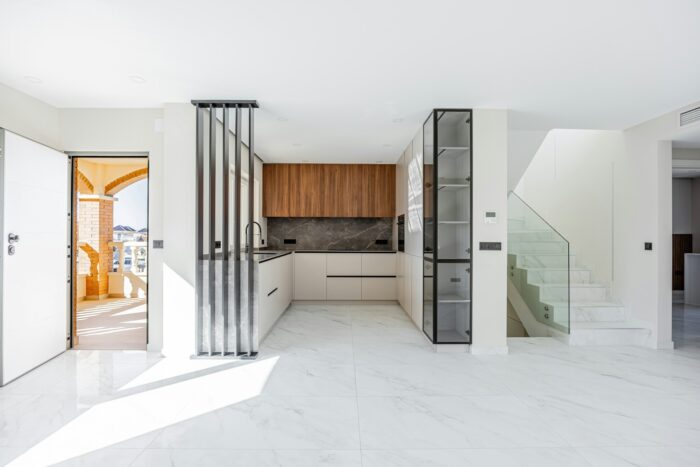
Photo by Dominik
Natural Stone Tiles and Their Impact on Durability
Natural stone tiles, such as marble, granite, and limestone, are revered for their unique beauty and long-lasting nature. A key factor contributing to their durability is their ability to withstand heavy foot traffic and resist wear over time. For instance, granite is one of the hardest natural stones, making it ideal for high-traffic areas like kitchens and hallways. The durability of natural stone is further enhanced through proper sealing techniques, which protect the surface from stains and moisture. Selecting a robust floor is a fundamental step when exploring kitchen renovation ideas, as the ‘heart of the home’ demands surfaces that can effortlessly handle daily wear while maintaining a premium look.
For those considering Natural Stone Floor Tile, it’s noteworthy that limestone, while softer than granite, offers a warm and inviting aesthetic that can enhance the overall design of a space. The use of natural stone can also contribute to biophilic design, a concept that seeks to connect interior spaces with nature, thereby improving the occupants’ well-being.
However, the natural variation in stone can be both an advantage and a challenge. While each piece is unique and can serve as a focal point design element, the inconsistency may require careful space planning to ensure a harmonious look.
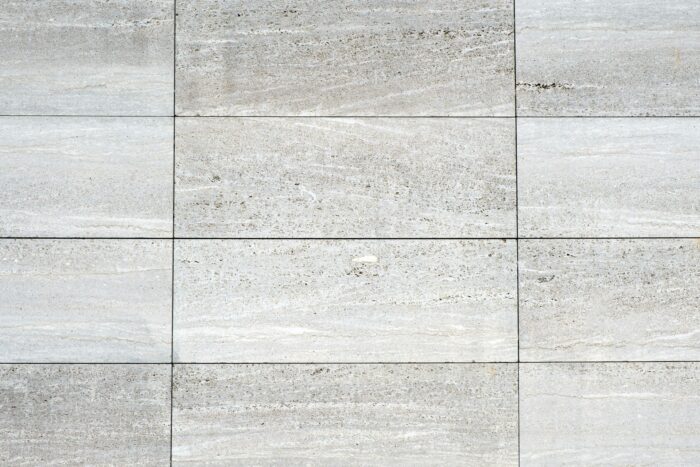
Photo by Detlef Hansmann
Porcelain Tiles as a Durable Flooring Choice
Porcelain tiles are crafted from refined clay, fired at high temperatures to create a dense and durable surface. This manufacturing process results in tiles that are exceptionally resistant to scratches and moisture, making them a preferred choice for areas prone to spills and heavy use. Porcelain’s durability is often enhanced by its ability to mimic the appearance of natural stone, offering a versatile aesthetic without the maintenance concerns associated with real stone.
Another advantage of porcelain tiles is their compatibility with CAD software, which allows designers to visualize and plan intricate tile layouts during the design development phase. This precision in planning can lead to a more efficient installation process and a cohesive finish.
Moreover, porcelain tiles are often part of sustainable sourcing practices, as they can be produced with recycled materials and have a smaller environmental footprint compared to some natural stones. This aspect not only supports environmental responsibility but also can be a selling point for eco-conscious homeowners.
Photo by Terry Magallanes
Comparing Maintenance Needs of Natural Stone and Porcelain
Maintenance is a significant factor when deciding between natural stone and porcelain tiles. Natural stone requires regular sealing to maintain its resistance to stains and moisture. While this adds to the upkeep, it also ensures the stone’s longevity and aesthetic appeal. Additionally, cleaning products must be chosen carefully to avoid damaging the stone’s surface.
In contrast, porcelain tiles are low-maintenance, requiring only regular sweeping and mopping with a mild detergent. Their non-porous nature means they do not require sealing, and their resistance to scratches makes them an excellent choice for households with pets or children. The ease of maintenance makes porcelain an attractive option for homeowners seeking minimal upkeep.
Ultimately, the choice between these materials may depend on the specific requirements of the space, the desired aesthetic, and the homeowner’s willingness to commit to ongoing maintenance.
Which Tile Option Best Enhances Longevity and Value
When evaluating longevity and value, both natural stone and porcelain tiles offer distinct benefits. Natural stone, with its timeless beauty and potential to increase property value, is a strong contender for those looking to make a long-term investment in their home. The unique patterns and colors of stone can create a luxurious ambiance that can elevate a home’s market appeal.
Porcelain tiles, on the other hand, offer durability and versatility at a more affordable price point. Their resilience to wear and tear, combined with low maintenance needs, makes them a cost-effective solution for those prioritizing practicality. Furthermore, porcelain’s ability to replicate the look of natural stone without the associated costs and upkeep offers a compelling alternative.
In terms of building code compliance, both options are generally suitable, though it’s essential to consult local regulations during the selection process to ensure the chosen material meets all necessary standards.
Photo by Georg Eiermann
Conclusion
Selecting between natural stone and porcelain tiles involves weighing factors such as durability, maintenance, and cost. Each material provides unique benefits that can enhance the longevity and value of a home. For those prioritizing natural aesthetics and distinctive design elements, natural stone is a worthy investment. Meanwhile, porcelain offers practical advantages for those seeking durability and ease of maintenance. Both options, when thoughtfully integrated into a design, can significantly enhance a space, meeting the diverse needs and preferences of homeowners.










[…] stone surfaces, and ceramics with slight variations can keep an earthy palette from feeling flat. Natural stone flooring, for example, can introduce both texture and variation, with materials such as limestone and marble […]