Travel photography has become as essential to the modern journey as packing a passport. Whether you’re wandering through a Tuscan town, exploring the souks of Marrakech, or documenting a quiet morning at a seaside café, the camera you bring shapes not only the images you capture but also how you experience the destination itself. The question isn’t whether to bring a camera—it’s which one will best serve your travel style without weighing you down or complicating your adventure.
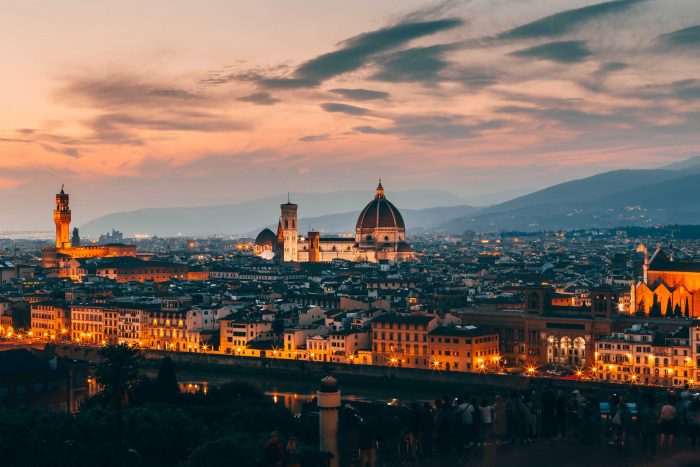
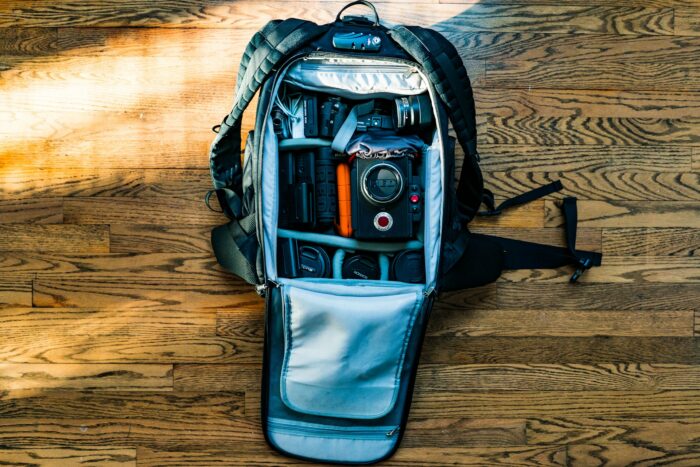
Photo by Josh Hild on Pexels
The evolution of travel photography has shifted dramatically over the past decade. Gone are the days when serious travellers needed to choose between bulky DSLR systems and basic smartphone cameras. Today’s options span a spectrum that includes everything from traditional point-and-shoot models to point-and-shoot camerahttps://www.paypal.com/invoice/s/details/INV2-JXHC-DMYA-3LPB-PGJG alternatives designed for modern creators. The goal is simple: capture authentic moments while remaining present in the experience itself.

The Case for Simplicity
Travel demands efficiency. Every item in your suitcase should earn its place, and your camera is no exception. The appeal of simpler camera systems lies in their straightforward approach: minimal settings, intuitive controls, and the freedom to focus on composition rather than technical adjustments. When you’re navigating unfamiliar streets or sitting in a restaurant with limited time before the light changes, you don’t want to be fumbling with menus or second-guessing exposure settings.
Simplicity also means less mental load. A camera that works intuitively allows you to stay present in the moment. You’re not thinking about aperture values or ISO ranges; you’re thinking about the story you want to tell. This mental clarity is particularly valuable during slow travel, where the goal is to absorb a place rather than rush through it. The best camera is often the one that gets out of your way.
Portability and Weight Considerations
The physical burden of camera gear affects how much you actually explore. A heavy camera bag discourages wandering down narrow alleyways or climbing to viewpoints that require both hands free. Lightweight equipment changes your behavior as a traveller, making you more likely to venture beyond the obvious tourist spots and discover the authentic character of a destination.
Portability extends beyond weight. A compact camera fits into a daypack without requiring dedicated camera bags or protective cases. It means you can move fluidly through markets, museums, and restaurants without announcing yourself as a photographer. There’s something to be said for blending into your surroundings, observing moments as they unfold rather than staging them.
Before setting off, it can also be helpful to follow a travel photography checklist for Europe to ensure you have the right equipment, spare batteries, memory cards, and accessories without overpacking.
Understanding Your Travel Photography Goals
The growing popularity of travel photography reflects a broader desire to document meaningful experiences and cultural encounters. But not all travel photography serves the same purpose.
Some travellers seek gallery-quality images suitable for printing or exhibition, while others use photography simply to preserve memories or share their experiences with friends and family. Many enjoy documenting visits to World Heritage Sites and other culturally significant destinations, creating a visual record of the places that have left a lasting impression. For others, photography becomes a way to engage more deeply with a destination, encouraging them to slow down, observe carefully, and notice details they might otherwise overlook.
Your goals should dictate your equipment choices. If you’re primarily interested in candid moments and atmospheric shots, you need different capabilities than someone focused on detailed architectural photography or food styling. Consider what draws you to photography in the first place. Is it the technical challenge? The creative expression? The documentation of experience? Your answer shapes which features matter most and which can be left behind.

The Balance Between Control and Convenience
Modern travel cameras often sit at an interesting intersection: they offer enough manual control for photographers who want it, while remaining accessible to those who prefer automatic modes. This flexibility is valuable because your needs might shift during a trip. Some days you want to set and forget; other days you want to experiment with depth of field or motion blur.
The best travel cameras don’t force you into one approach. They allow you to engage as deeply or as casually as you wish. This balance means you’re not paying for features you’ll never use, but you also aren’t limited if inspiration strikes and you want to try something new. It’s the difference between a camera that serves your current skill level and one that grows with you.
Those new to photography may find it helpful to start with a few basic techniques before investing in advanced equipment; this guide to travel photography for complete beginners covers the fundamentals needed to capture better images on the road.
Practical Considerations for Different Destinations
Coastal destinations present different challenges than mountain environments or urban centers. Salt spray and sand demand weather resistance. Mountain travel might prioritize battery life and altitude performance. Urban exploration benefits from compact size and quick autofocus. Tropical climates require humidity protection, while desert travel demands dust sealing.
Before selecting a camera, think about the specific environments you’ll encounter. A camera that excels in Mediterranean light might struggle in the dim interiors of Gothic cathedrals. One that handles bright snow beautifully might produce washed-out images in shadowy medinas. Understanding your destination’s lighting conditions, weather patterns, and physical demands helps you choose equipment that will actually perform when you need it.
The Role of Intuition in Camera Selection
After considering specs and features, trust your instincts. Pick up different cameras if possible. Feel how they balance in your hands. Notice whether the controls feel natural or awkward. Pay attention to your first impression when you look through the viewfinder or at the screen. These tactile and emotional responses matter more than you might think.
A camera that feels right encourages use. A camera that feels clunky or unintuitive gets left behind, no matter how technically capable it is. Your relationship with your camera is physical and emotional, not just technical. The camera that makes you excited to explore is the one that will serve your travel photography best.
Final Thoughts
Choosing a camera for travel is ultimately about matching equipment to experience. The right camera is the one that supports your travel style, fits your physical needs, and allows you to capture moments without becoming a burden. Whether you prioritize simplicity, portability, creative control, or a combination of factors, the goal remains the same: to document your journeys in a way that feels authentic and enjoyable. The best travel camera is the one you’ll actually bring and use, not the one that sits at home because it was too complicated or too heavy. Start with your travel priorities, consider the practical demands of your destination, and choose accordingly. Your future travel memories will thank you.