European homes have a distinctive appeal, from charming English cottages surrounded by climbing roses to French country houses with weathered stone walls and Mediterranean villas topped with terracotta roof tiles. Despite their differences, these architectural styles share an appreciation for natural materials, balanced colours and details that complement their surroundings.

You don’t need to live in Europe to bring some of this character to your home. Whether you’re drawn to the rustic warmth of an English cottage, the understated elegance of a French farmhouse or the simplicity of Scandinavian design, there are plenty of European house exterior ideas that can be adapted to different architectural styles.
Choosing European house exterior ideas that suit your home, picking complementary colours and making a few targeted improvements, from roofing materials to landscaping, can refresh your home’s appearance without a complete home renovation.
A quick note: the roofing and building advice below is written with US homes in mind, so check local rules wherever you live.
Why Classic European Exteriors Age So Well
European architecture has changed over centuries, yet plenty of classic details still look fresh. Much of that staying power comes from honest materials, straightforward proportions, and a clear connection to the land around the house.
Stone, brick, timber, and stucco show up repeatedly across traditional European homes. Those surfaces bring real texture and depth, giving even modest houses a welcoming presence. Heavy ornament can date a house quickly, whereas natural textures tend to age well with basic maintenance.
Paint and finish colours do quite a bit of heavy lifting, too. Rather than reaching for loud contrasts, many European homes lean into muted, nature-inspired tones. Warm whites, soft greys, earthy browns, muted greens, and sandy beiges set a calm foundation.
Cohesion matters as much as individual finishes. A roof, windows, front entrance and garden design work best when they look like part of the same conversation. Good results rarely come from copying every single detail of a foreign house. Picking a few features that match your current property usually works much better.
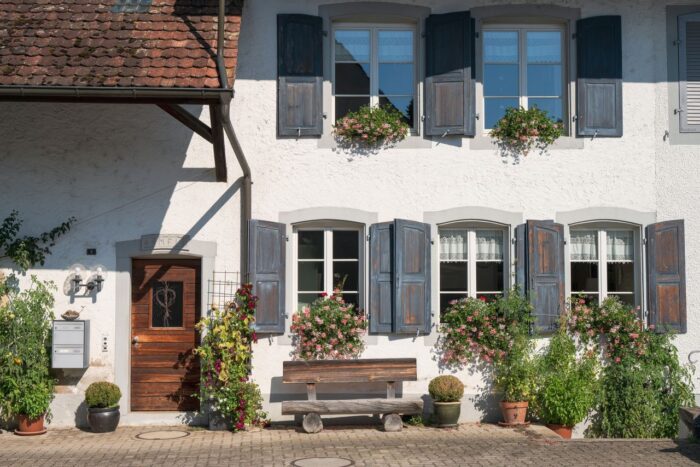
Photo by Thomas P
English Cottage Exteriors With Steep Roofs and Welcoming Details
English cottages have an easy warmth that many homeowners find hard to pass up. Their appeal comes from textured finishes, classic rooflines, and small architectural touches that give a house its own personality.
Steeply pitched roofs stand out in many traditional cottages. In Europe, regional builders relied on slate, clay tiles, and thatch to shape local styles.
In the United States, homeowners can achieve a similar look with dark grey or slate-coloured asphalt shingles, without the weight and higher price tag of genuine slate.
Walls matter right alongside the roofline. Brick, stone, and softly toned render give houses that slightly rustic countryside feel. Cream, sage green, and warm grey are dependable choices for this look.
Small touches tie the entry together. A wooden front door, classic outdoor light fixtures, and climbing plants near the doorway add familiar cottage character. Once the outside is sorted, my European interior design ideas will help you carry that character through the front door.
Full-scale remodelling is optional. Repainting a front door, setting out a few well-chosen planters, and matching exterior finishes can bring a relaxed English cottage feel to a standard house.

French Country Style With Quiet Colours and Textured Walls
French country homes pair rustic textures with quiet polish. Drawing cues from rural farmhouses and country estates, this style feels put-together without looking stiff.
Warm, natural-looking surfaces sit at the centre of the style. Limestone, aged brick, and textured stucco soften the exterior and help the house sit comfortably in its surroundings.
Roofing plays a clear role in setting the tone. Many French country houses feature steep roof pitches clad in slate or clay tiles, depending on the region. Grey and charcoal roofs look sharp against cream walls and natural stone.
Windows often have shutters or simple decorative trim. Wooden doors, wrought-iron lights, and balanced landscaping round out the traditional look.
If you are updating a current home, start by trimming back the colour palette. Two or three matching shades usually look cleaner than piling on contrasting colours.
Swapping dated exterior lights for classic lantern fixtures or refreshing shutters in a muted shade can quickly shift the mood. Modest updates like these can bring a refined French look to a house without major structural work.
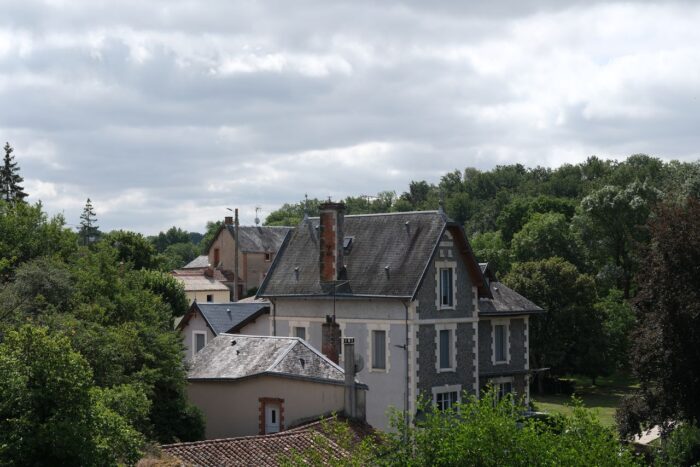
Photo by Walter Coppola
Mediterranean Exteriors Built Around Sunlit Tones and Easy Outdoor Living
Mediterranean houses evoke sunny courtyards, shaded seating, and unhurried afternoons outside. Taking cues from Italy, Spain, Greece, and southern France, the style leans into warm tones, textured walls, and easy movement between indoors and out.
Terracotta roof tiles stand out immediately. Their earthy red and orange tones set off cream, white, or sand-coloured walls nicely.
Genuine clay tiles do not fit every house, though. They carry substantial weight, so switching from lighter roofing materials may require a structural check. Other roofing products can mimic that look while better fitting the existing structure of the house.
Stucco walls, arched doorways, and wrought-iron details also shape the style.
Outdoor living carries real weight here, too. A small patio with comfortable seating, textured pots, and climbing greenery can echo a Mediterranean courtyard.
For lighter changes, warm exterior paint, terracotta planters, or a natural wood front door can set the direction. The main goal is an easygoing space that feels sunlit and close to nature.
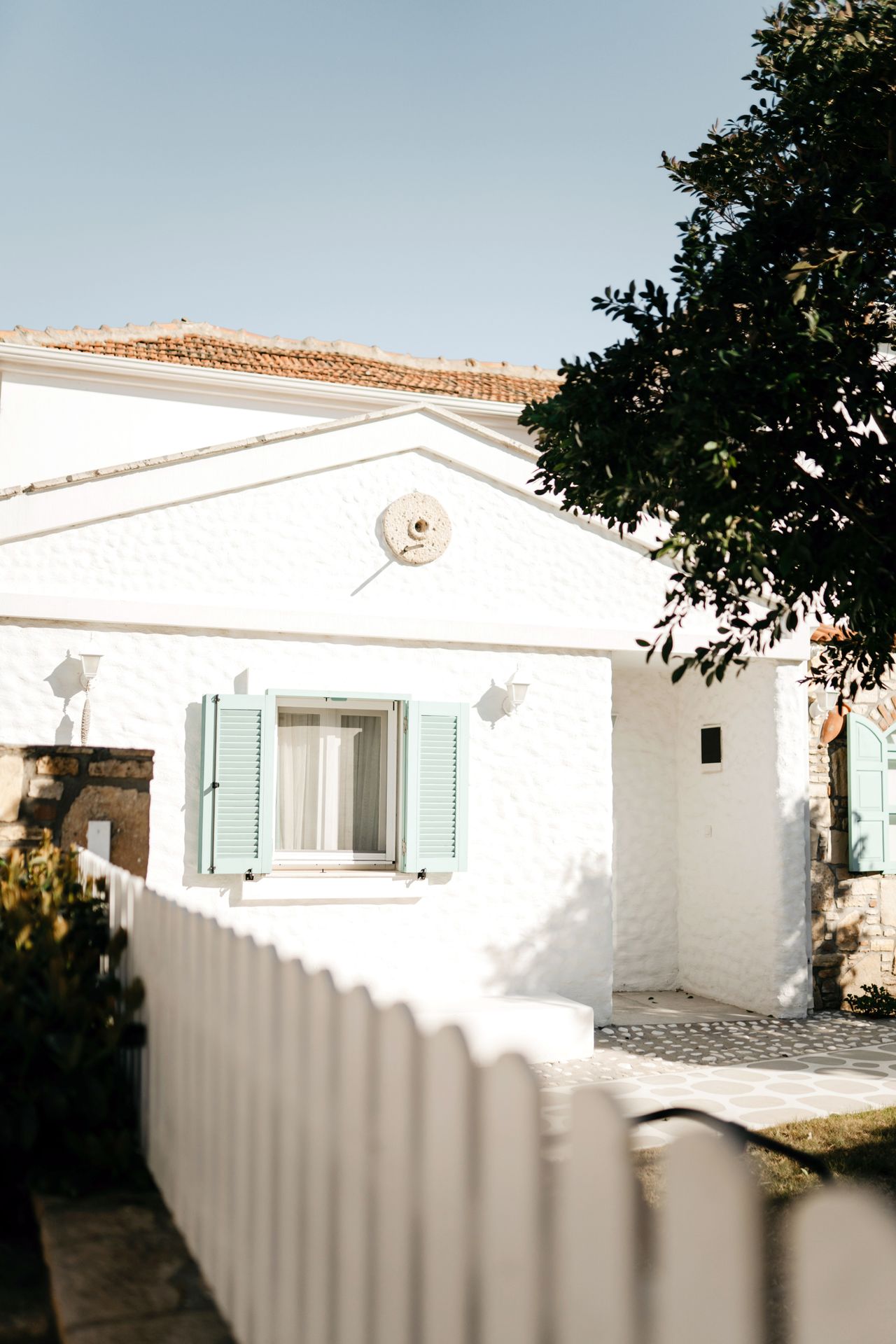
Photo by Burak Evlivan
Scandinavian Style Focused on Clean Lines and Honest Materials
Scandinavian architecture takes a quieter path to lasting style. Instead of ornate trim, it prioritises simplicity, everyday usefulness, and natural materials.
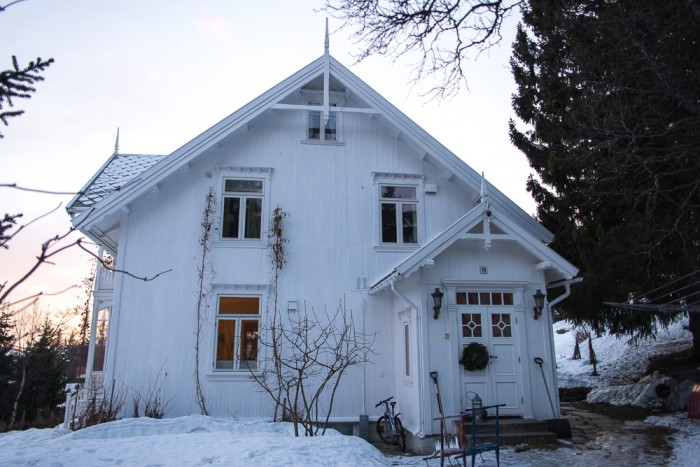
Traditional Nordic homes often rely on timber siding, clean roof forms, and colours that fit the surrounding landscape. Newer Scandinavian-inspired designs carry that forward with uncluttered walls, crisp lines, and generous windows. If you’re living with a timber home and small children, my guide to childproofing a timber frame home covers the practical side.
Light siding paired with a dark roof is a well-known combination. White, pale grey, or natural wood walls stand out cleanly against charcoal or black roofing.
Windows do more than let in a view. Larger openings pull daylight deeper into the house, which matters when winters run long.
When bringing this look home, keeping things simple is usually the smartest first step. Updating tired siding with a clean, even finish, cutting back fussy trim, or narrowing the paint palette helps clear visual noise. Natural wood accents near the front door can add warmth without cluttering the design.
Garden design can follow the same logic. Native plants, simple paths, and tidy plantings often beat fussy, high-maintenance beds.
Bringing European Style to an American House
European design ideas can fit American houses well, as long as you adapt them to the structure already on the lot.
Start with your house’s shape and proportions. A traditional colonial might pair smoothly with French country cues, while a simple modern farmhouse could lean toward Scandinavian finishes.
Stacking too many unrelated details in one spot can make the exterior look scattered. Picking two or three features that fit what is already there keeps things grounded.
Local weather belongs high on the checklist, too. Roofing and siding have to handle real conditions, whether that means heavy snow, steady rain, strong wind, or hot summers. If you live somewhere hot, the US Department of Energy’s guide to cool roofs explains how roof colour and materials affect heat and energy use.
A roofing material common in southern Europe may be a poor match for a house in the northeastern United States. Local building rules, structural capacity, ventilation, and water drainage all affect which materials make sense. Once you’ve chosen a direction, look at how a local roof replacement specialist what your roof can carry and what suits your climate and local building rules.
Colour pairing also deserves careful thought. Before committing to new finishes, look at how the roof, siding, trim, doors, and windows will sit next to one another. Gather samples and check them outside at different hours of the day.
A warm cream wall might look right with earthy brown roofing, while light grey siding could match better with charcoal accents. Taking time to plan the whole picture helps prevent clashing finishes and wasted money.
Small Exterior Changes With an Outsized Impact
A sweeping remodel is not the only way to give a house more poise and kerb appeal. Small shifts often carry surprising weight.
A fresh coat of paint on the front door in muted green, deep blue, or warm charcoal can change the entry right away. Classic outdoor lanterns also suit brick or stone walls well.
Plants add plenty of softness on their own. Climbing roses, lavender, ornamental grasses, and well-placed shrubs can ease hard edges and echo a chosen style.
Simple upkeep counts, too. Replacing worn house numbers, fixing damaged trim, and keeping gutters clean give the exterior a sharper finish.
When bigger projects are on the table, look at how new roofing, siding, or windows fit together instead of treating each job in isolation. The best-looking exteriors usually share one trait: every piece looks like it belongs.
Lasting Kerb Appeal Starts With Practical Choices
European-inspired exteriors stay relevant because they balance practical function, natural texture, and character. From cosy English cottages to clean Scandinavian lines, each tradition offers practical ideas worth considering.
You do not have to build a replica villa or country farmhouse to use these ideas. A steady colour palette, natural finishes, well-matched roofing, and thoughtful landscaping can change how a house feels every day.
Start with one style you love, change one thing this weekend, and tell me in the comments which European look you’d bring home.