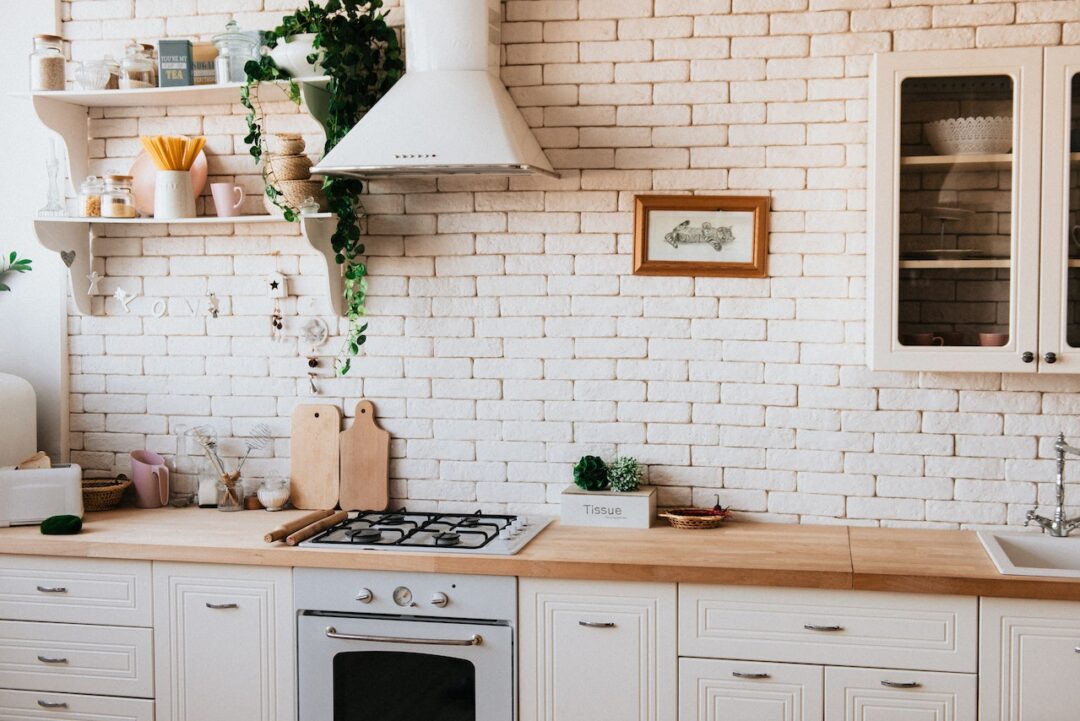
Transform your small kitchen into a functional and inviting space with these 5 design tips. Learn how to plan and install your kitchen essentials strategically to create the illusion of a larger area and streamline your cooking process.
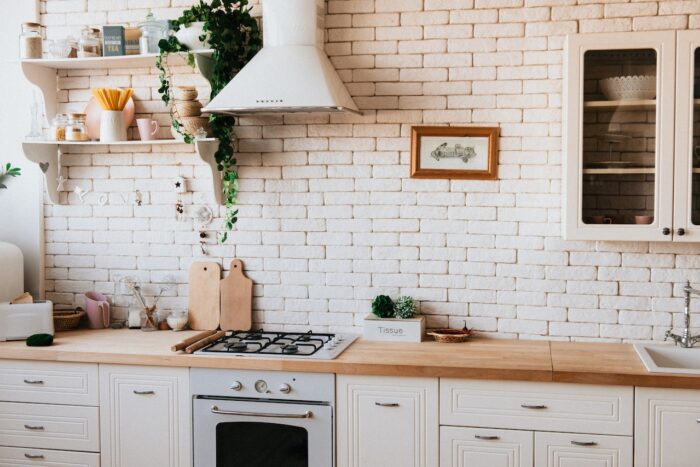
Photo by Dmitry Zvolskiy
A kitchen can be small but still look good, providing all the necessary functionality and kitchen gadgets. A great design in a compact space makes you feel like the area is bigger than its actual size in square footage. To have an excellent small kitchen layout, you must have good planning that will enable the space to meet all your needs, which includes the installation of tableware, cookware, storage spaces, and other appliances. Also, a great floor plan should make dishing up, preparation, and cooking streamlined.
Regardless of the size of your kitchen, there are multiple ways to maximize your space. Here are 5 tips for designing your small kitchen.
1. Establish a Floor Plan and Select the Most Significant Layout for Your Kitchen
Take the kitchen’s measurements, including the floor space, walls, and windows. Establish a plan and see how it relates to the small kitchen space. The plan will show you where to fix the wall and base units. You can then select a kitchen layout, such as a Galley kitchen layout, a U-shaped kitchen layout, or an L-shaped one. Galley kitchen layouts have wall units along one or two polar opposite walls. U-shaped kitchens are important for small spaces. You can easily establish an efficient working triangle with the fridge, sink, and cooker on each side. L-shaped kitchens are popular, but you should know where to fix the tall units, oven, fridge, hob, sinks, and Big Berkey water filters.

Photo by Tina Dawson
2. Choose the Cabinet Color
Most small kitchens have white cabinets; therefore, yours should not be an exception. White is preferred for small kitchens because it reflects light around the room and makes it feel bigger. Your first choice should be pure white, but you can also consider creamier tones, which establish a softer effect. You can use dark gray and navy blue colors if your room has a tall window or a high ceiling with roof lights. If you want to create interest in your small kitchen, consider white wall units with darker bases or pale wooden wall cabinets with white bases. The white surfaces will bounce off light and keep the room bright.
3. Choose the Best Countertop and Storage
Reflective work surfaces are ideal for small spaces. The best kitchen worktops can be pale natural stones or manufactured composites, which come in several colors and finishes. They will reflect light and add character to your kitchen. Stainless steel and wood can also be countertops if other units are white. It would also be best if you worked with good storage units. Use storage jars to keep your cupboards neat and organized.
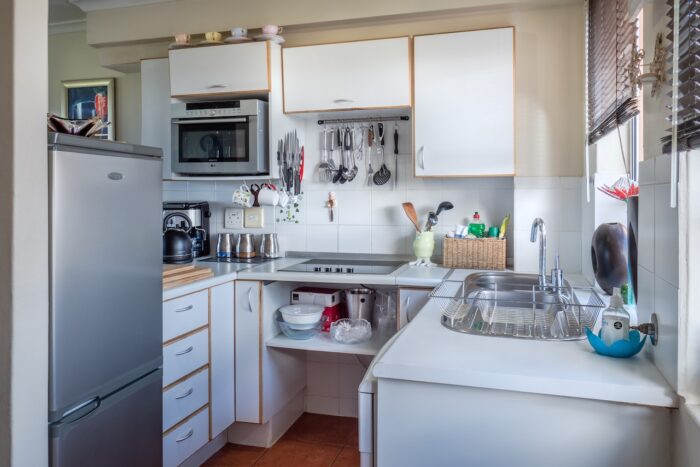
Photo by Jean van der Meulen
4. Select the Best Lighting and Window Treatments for Your Kitchen
Selecting a solid lighting scheme is vital for looks and your safety while in the kitchen. Make sure there are no shadows. Use three types of lighting: accent, to show specific features; kitchen task lighting, for working spaces; and ambient, for lighting up the whole room, usually fitted on the ceiling. Your kitchen window should be easy to clean and withstand the atmosphere. It should also be space-efficient.
5. Decide On the Final Look of the Kitchen
Once you know everything to include in your small kitchen, consider the style of the tall wall units, the sink, and the floor. Do not install handles on the cabinets to avoid protruding handles. The reflective surfaces will make the most of the artificial illumination and the daylight, helping a small room to feel bigger. Think of high-gloss items or stainless steel. Paint your units in pale colors to brighten the kitchen. Kitchen backsplashes are also useful for making a small room feel more spacious. An excellent kitchen backsplash can be made of glass or glossy tiles.
To find the right look and colours for your space, look at these inspiring kitchen designs from around the world.
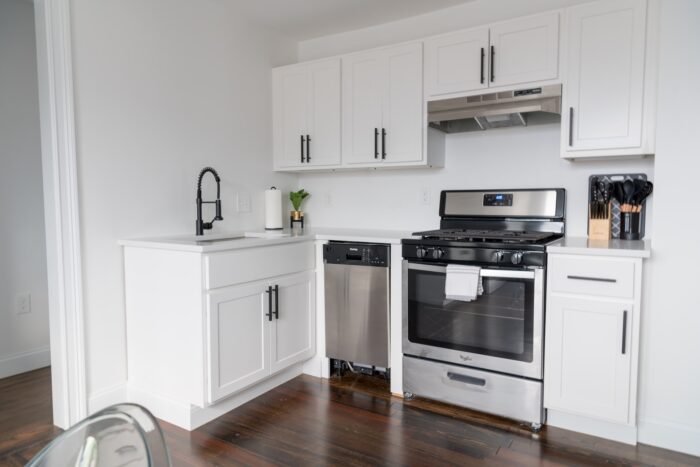
Photo by Andrea Davis
Kitchen designs must deliver storage and appliance solutions, cooking options, and the worktop space needed to make them functional. In a small kitchen design, you should find space to accommodate all units, and the room should feel more spacious. Plan how all the appliances (such as the right coffee machine for your needs), wall units, and sinks will fit into the room before you buy anything. Utilize the vertical spaces; install magnetic trays for knives and ceiling or wall racks for saucepans. You can keep the tableware on open shelving and hang mugs on wall hooks. It would be best to buy smaller versions of appliances.
There are excellent designs that do not compromise functionality and will give you more space in your kitchen.