
The region of Puglia offers a truly authentic and unique experience of Italy: full of culture, good food, rugged coastlines, and magical caves. Puglia makes up the heel of the boot that is the shape of Italy, and its capital Bari was our first stop on this 7-day road trip.
A 7-Day Road Trip in Puglia
For this trip we focused on the central part of the region, around Bari and Valle d’Itria. Other popular areas to visit in Puglia are Gargano in the north and Salento in the south.
The coast: Polignano A Mare and Monopoli
We landed at the Bari airport where we hired a car and drove 45 minutes straight to the coastal town of Polignano A Mare.
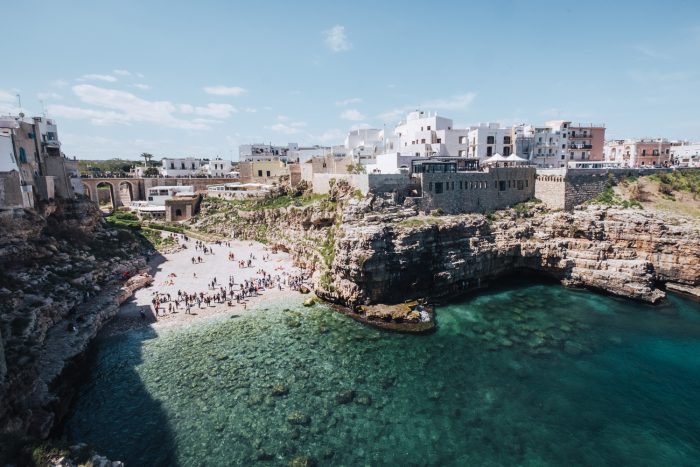
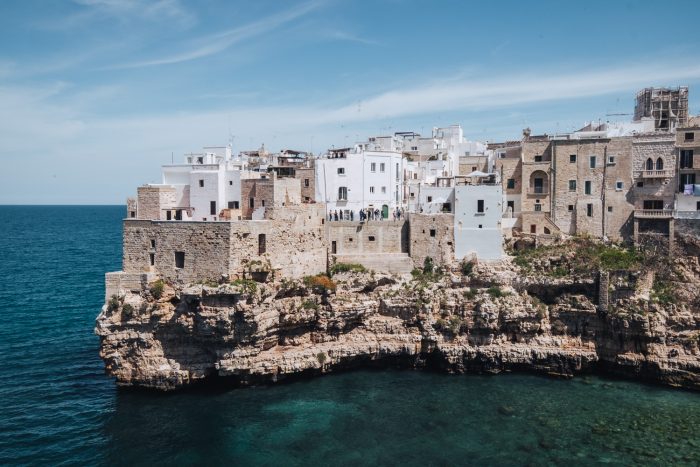
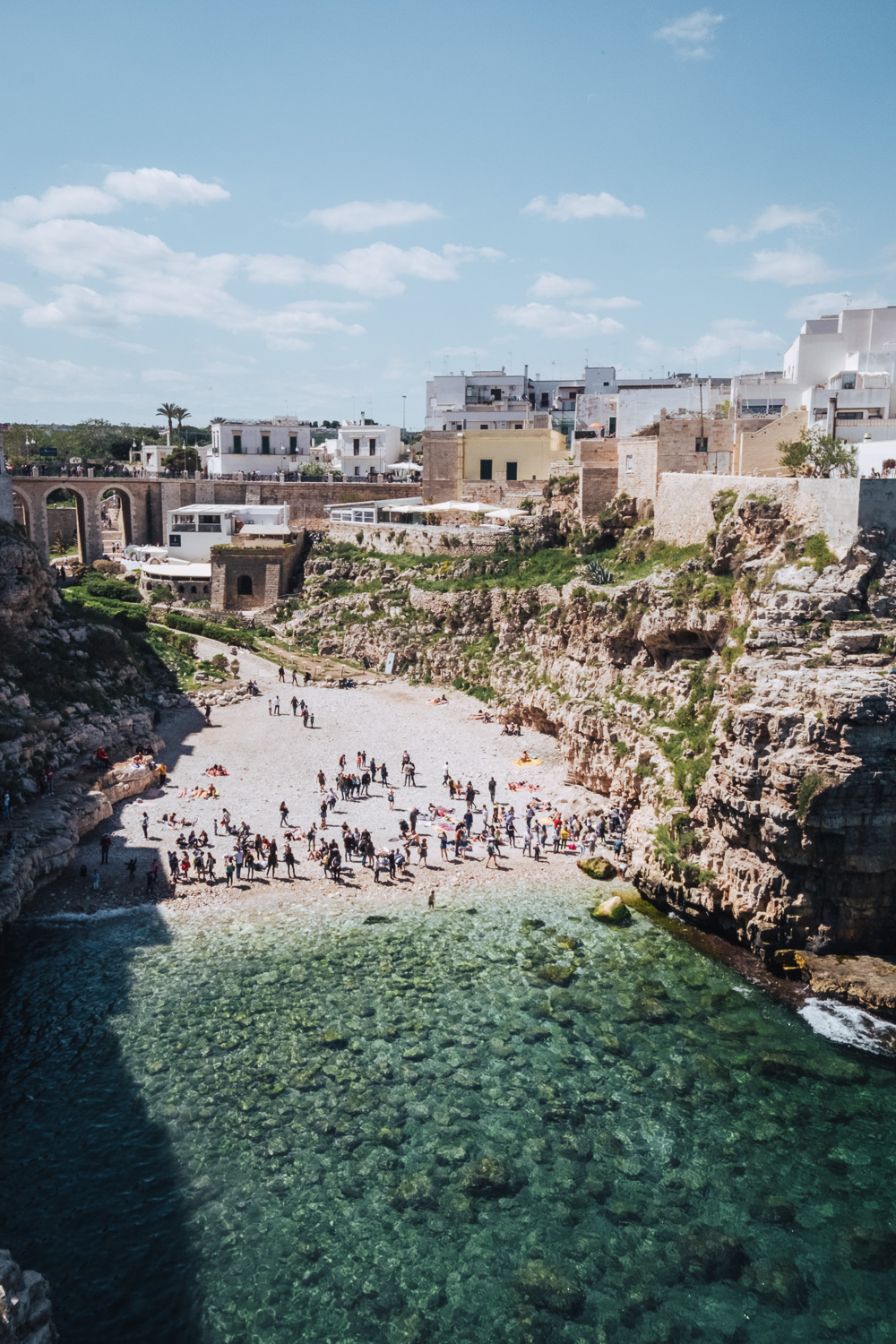
Truly out of a romantic film, Polignano a Mare is built on the edge of a craggy cliff and is the starting point to boat tours to see the caves up close. Polignano has some of the most crystal clear seawater I have ever seen!
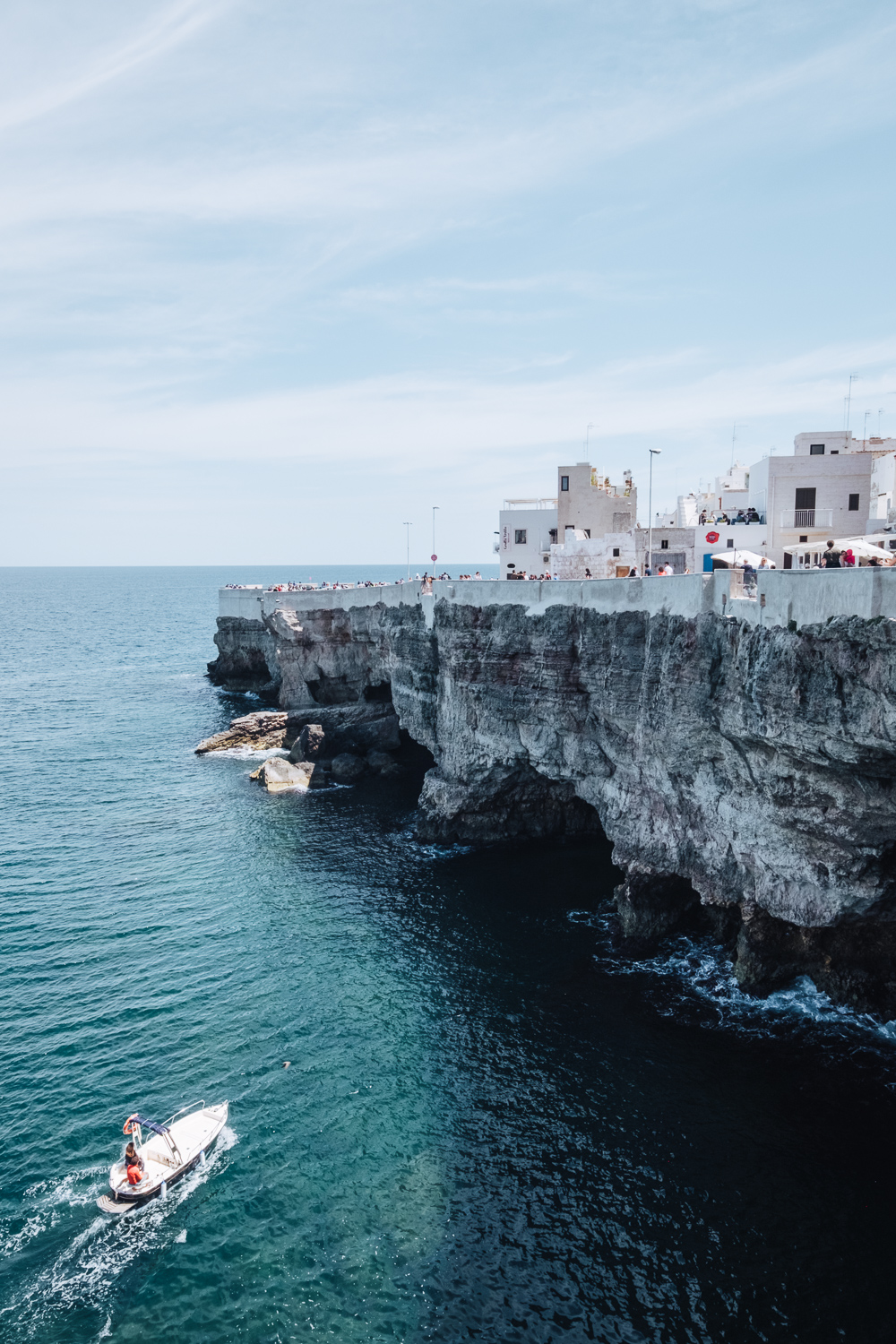
Puglia is one of the best places to visit in Italy so naturally it is a popular destination all year round, but especially in summer. We travelled there in late April to avoid the peak season – and I am so glad we did! We were able to appreciate the beaches, winding streets, and restaurants of Polignano without bumping into large groups of tourists at every turn.
Because we were travelling in (relatively) low season, we were able to walk into most restaurants without booking in advance. Most importantly, we could leave some of our accommodation planning to the last minute, which gave us the flexibility to change our driving route at our whims.
Our home in Polignano a Mare was a lovely, family-run B&B called Echi di Puglia. Don’t let the word B&B fool you, this resort had all the comforts of a 4-star hotel while also being homely and authentic. The owners of the resort, Giacomo and Lucrezia, sought out to create an accommodation that encouraged “togetherness” and inspired your senses through scent and colour. And they achieved exactly what they set out to do.
My favourite eating spot in Polignano a Mare was Pescaria: a street food style eatery with amazing local seafood and wine at reasonable prices. You can select anything from raw or fried seafood or opt for a seafood sandwich instead. Order at the counter, find a table inside or outside and wait for your number to be called. It is not a surprise that my second favourite lunch spot was Tomarito; it is in fact the sister restaurant to Pescaria! They offer amazing seafood with a focus on open sandwiches, poke salads and tacos.

“Spianata Romana” is a focaccia with salmon carpaccio, courgettes, buffalo mozzarella, springs onion, and turmeric mayo.
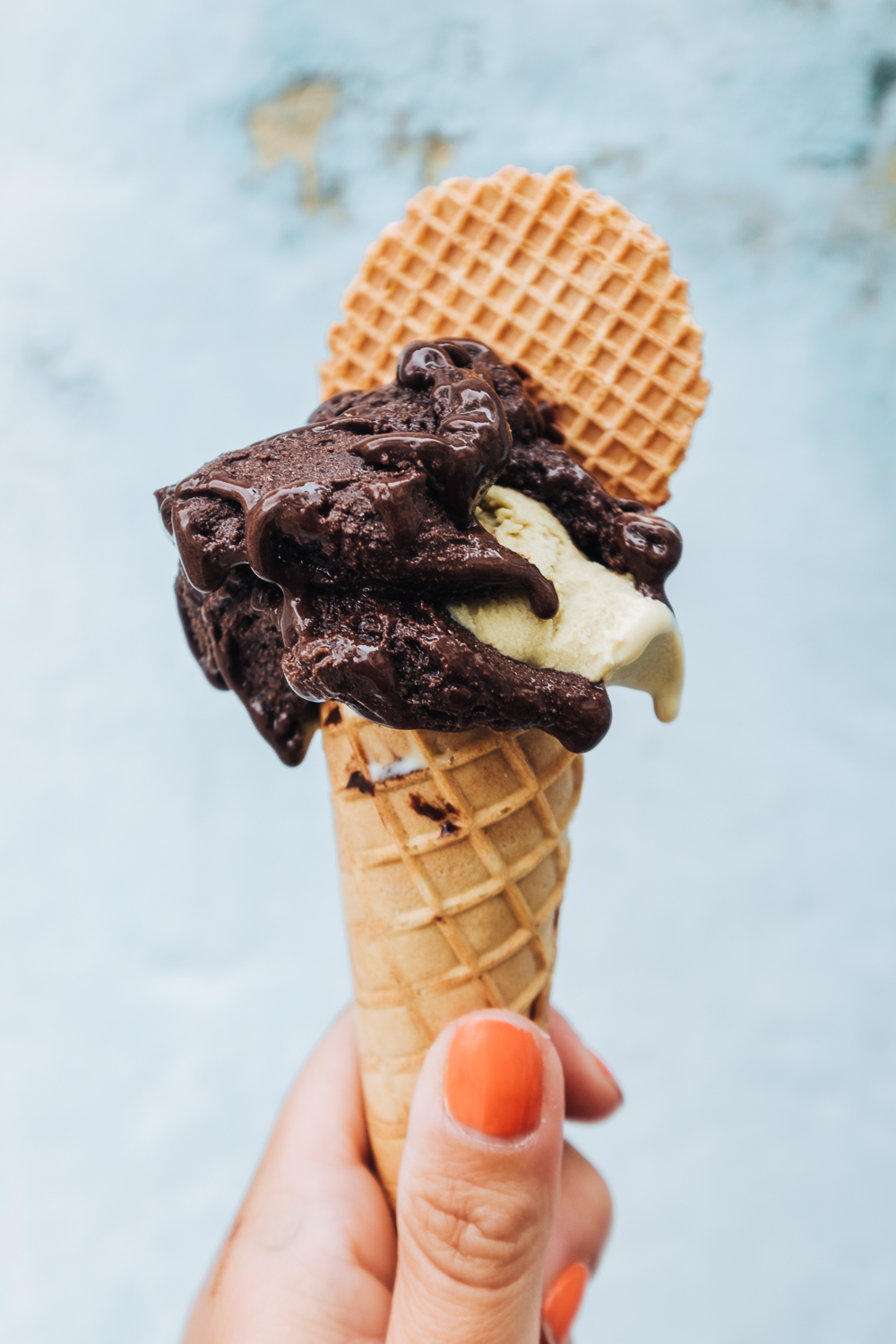
You can’t visit Italy and not indulge in one gelato a day, right?! We found Gelateria Caruso by chance on the first day and so glad we did. I still think of that gelato today! They will ask you if you want chocolate sauce (dark, milk or white) inside the waffle cone; say yes!
In between lunch and dinner in Polignano a Mare, we went to the famous beach, Lama Monachile, also known as Cala Porto, which is bordered by a Roman bridge. It is the most Instagrammed spot in town!
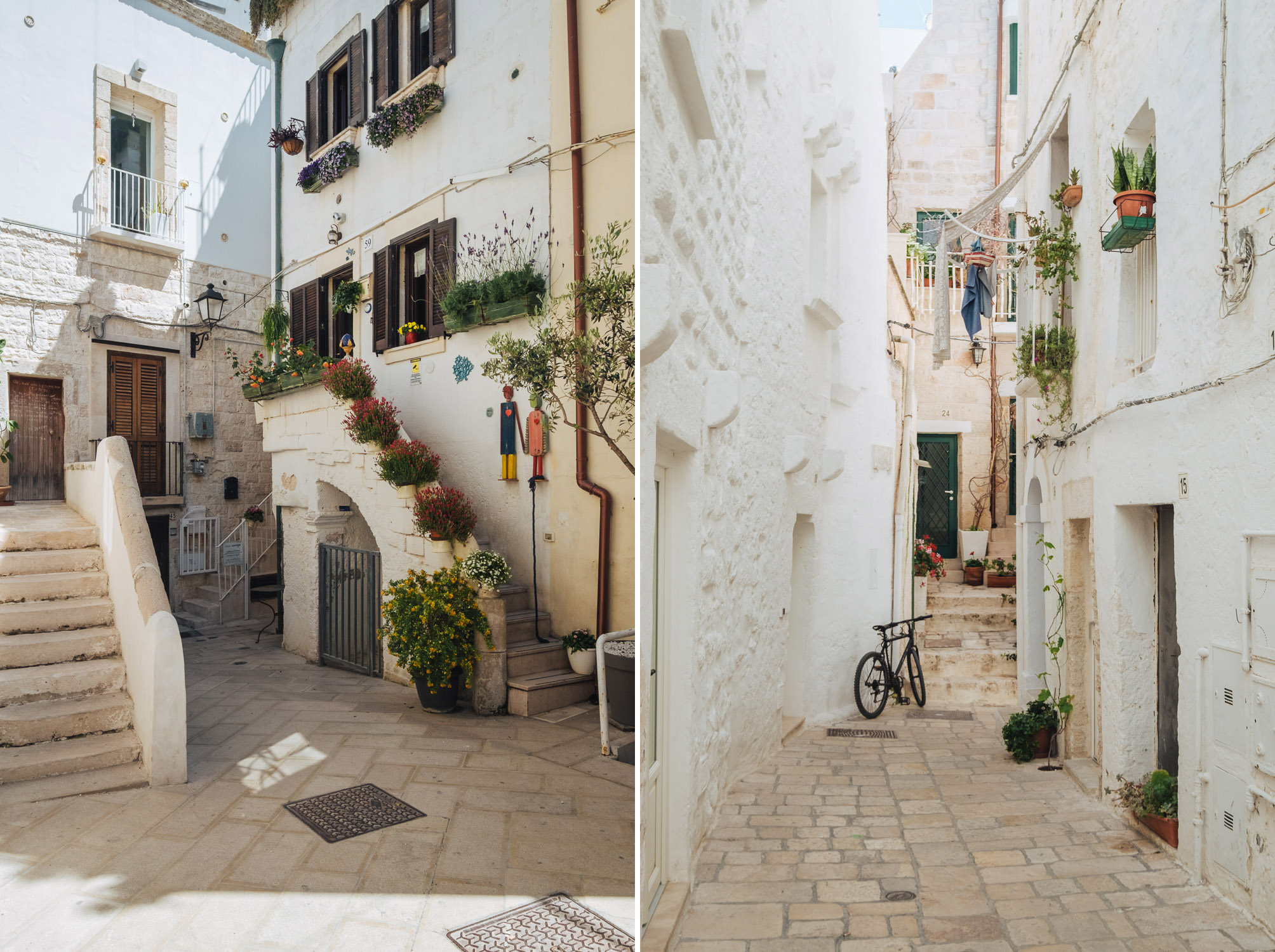
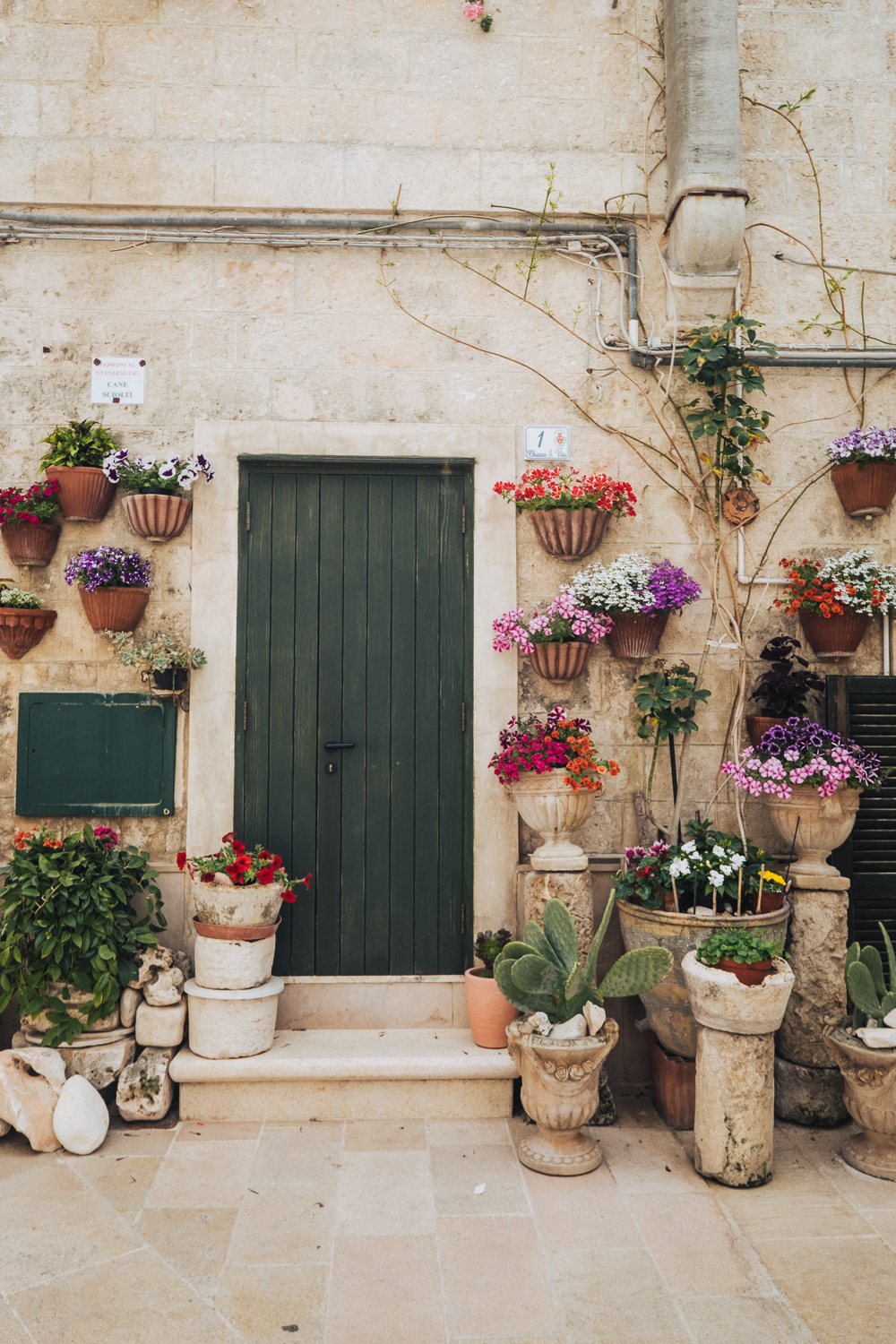
We also roamed the streets and appreciated the quaint details that make this coastal town so unique: streets cats patiently waiting for their next meal at the foot of a house door, flower-adorned balconies, and cliff-edge views of the Mediterranean sea.
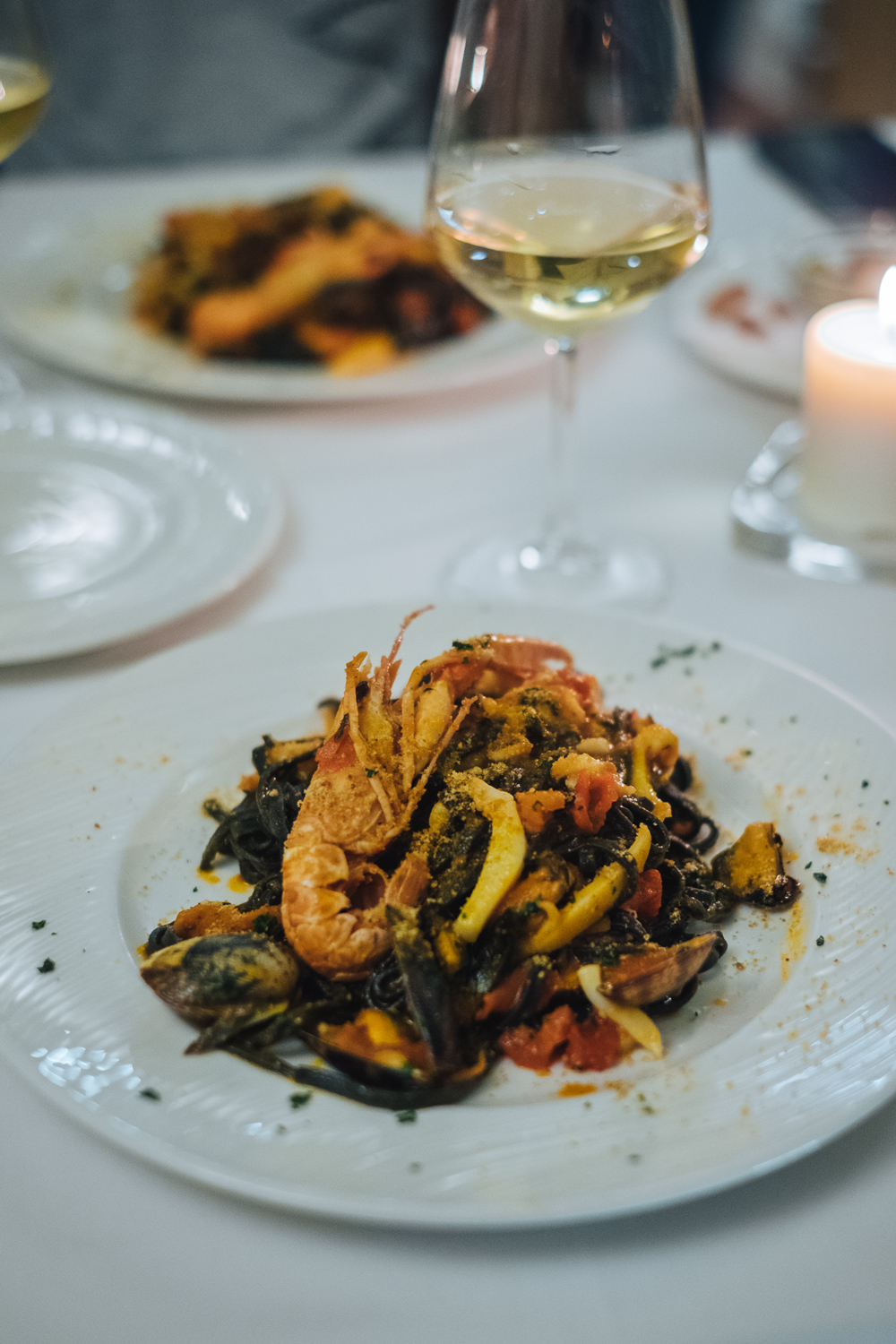
For dinner, I loved La Locanda Porta Picc, a restaurant specialising in Apulian cuisine. The great food (I had an amazing squid ink pasta dish topped with grilled seafood) was matched by good wine and excellent service. Book ahead as this is a popular restaurant.
The next day we headed to Monopoli, only 10 km south from Polignano a Mare along the coast. The city, known for its baroque Cathedral, takes its name from the ancient Greek city that was originally founded here.
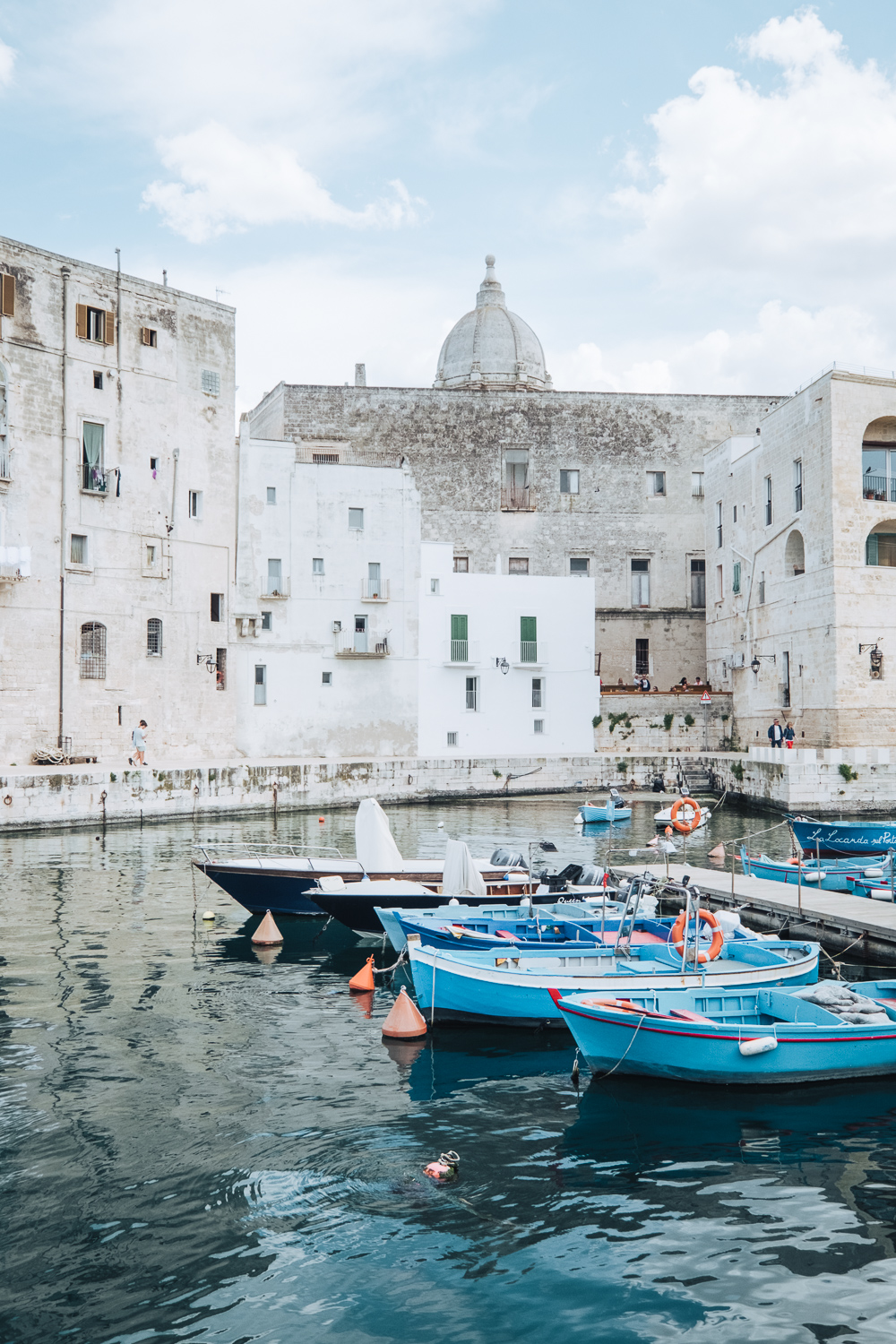
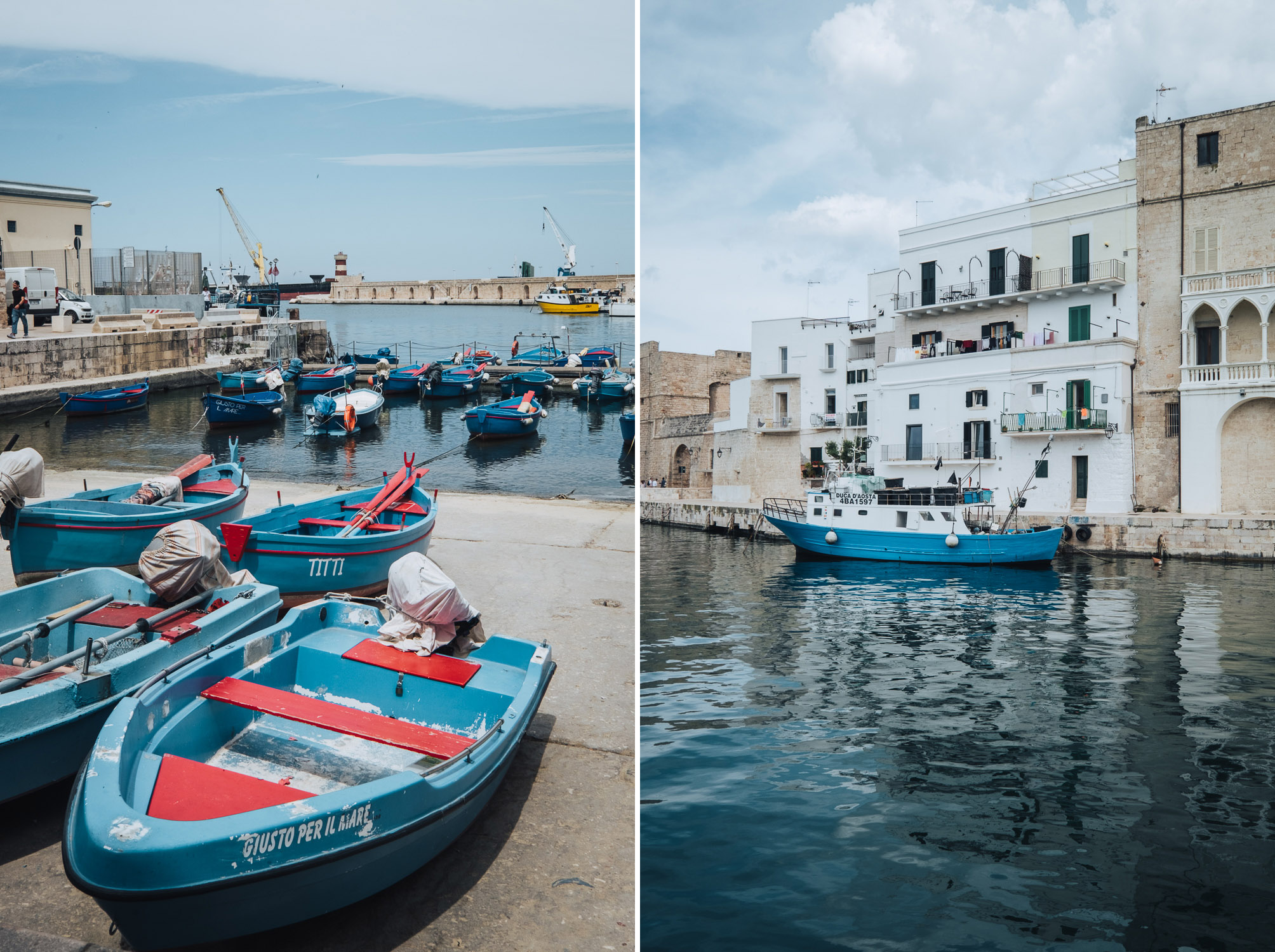
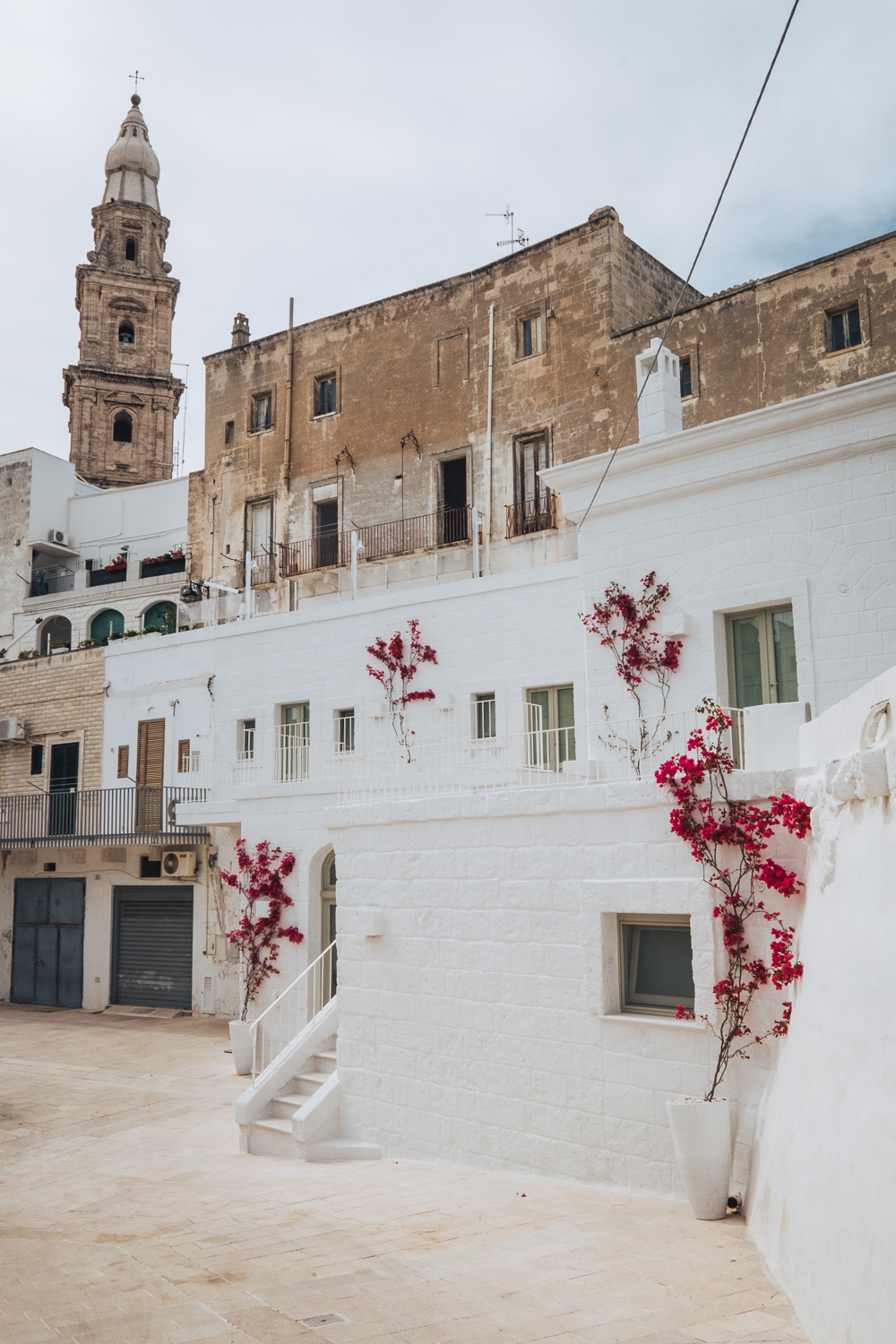
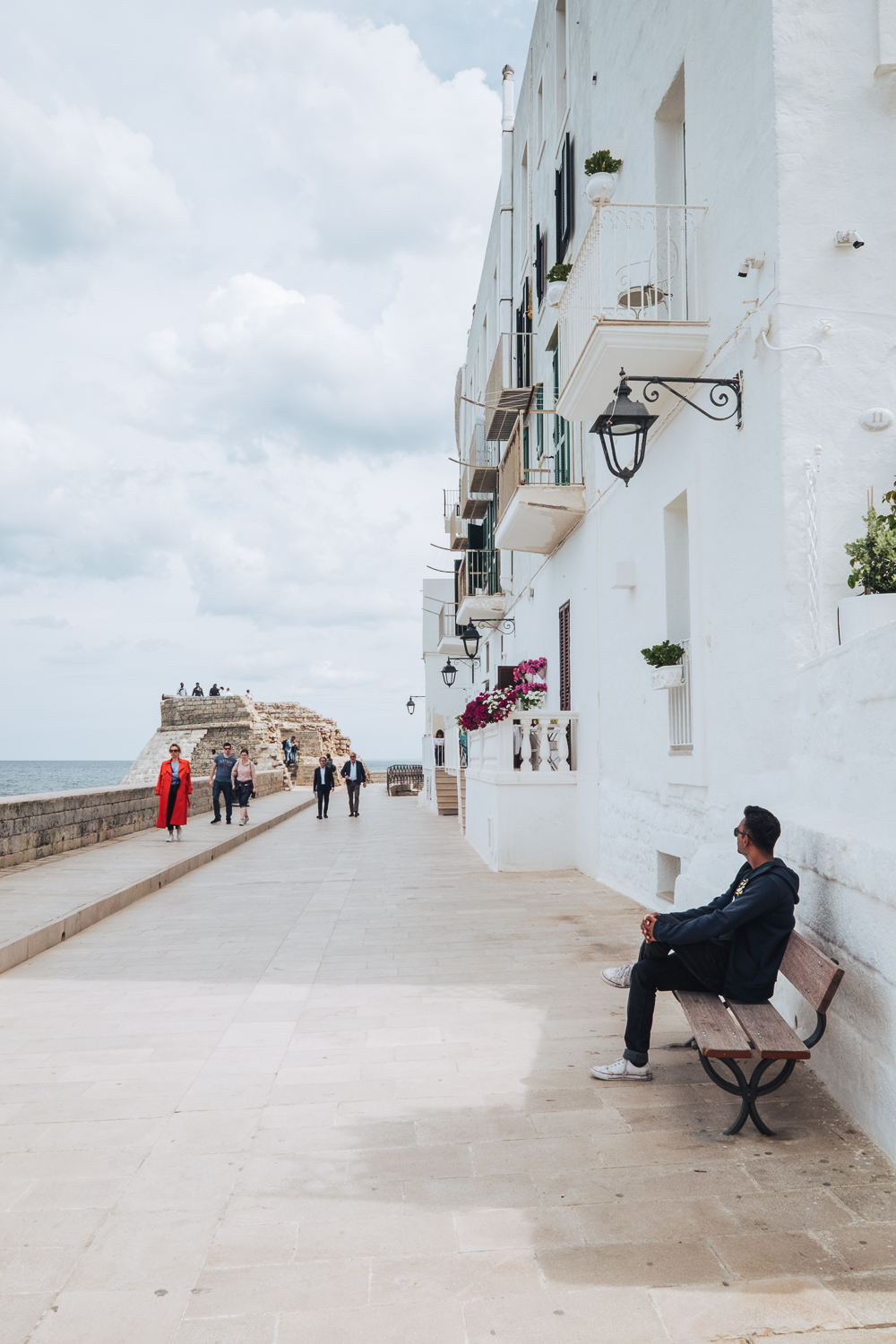
When you wander through the alleys of the picturesque old town you will be reminded of Polignano, though Monopoli is way less touristy. This doesn’t make Monopoli any less charming, particularly around the old port and the city walls.
Three eating places I can recommend in Monopoli: Il Guazzetto restaurant (all about seafood!); Premiato Caffé Venezia for aperitivo; and Gelateria Caruso for gelato.
Small Luxury Hotels: Masseria Il Melograno
We stayed at a country estate boasting 400 years of history: Masseria Il Melograno. Il Melograno, today a 5-star hotel and member of Small Luxury Hotels, is housed in what used to be a “masseria”, a traditional Apulian farmhouse.
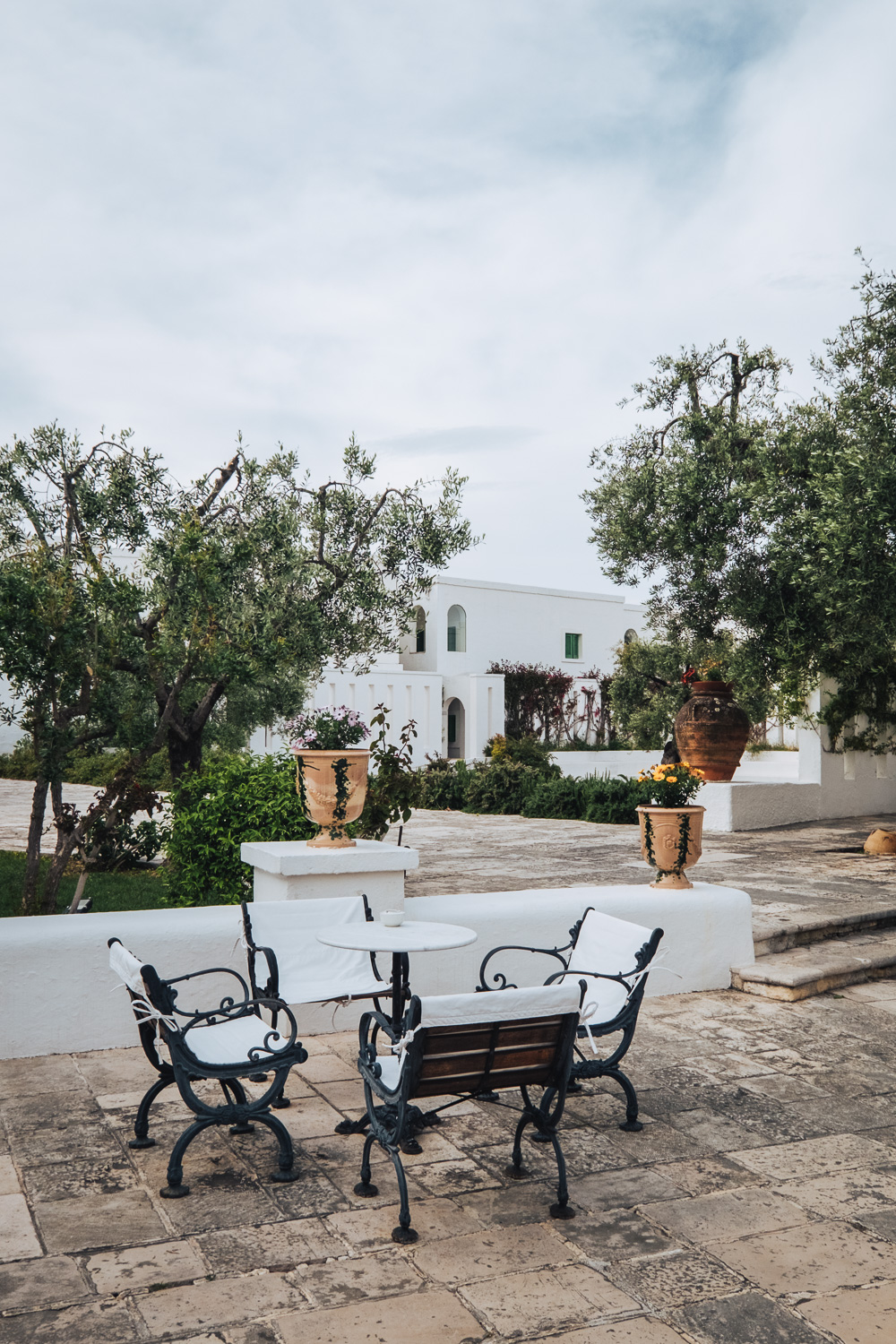
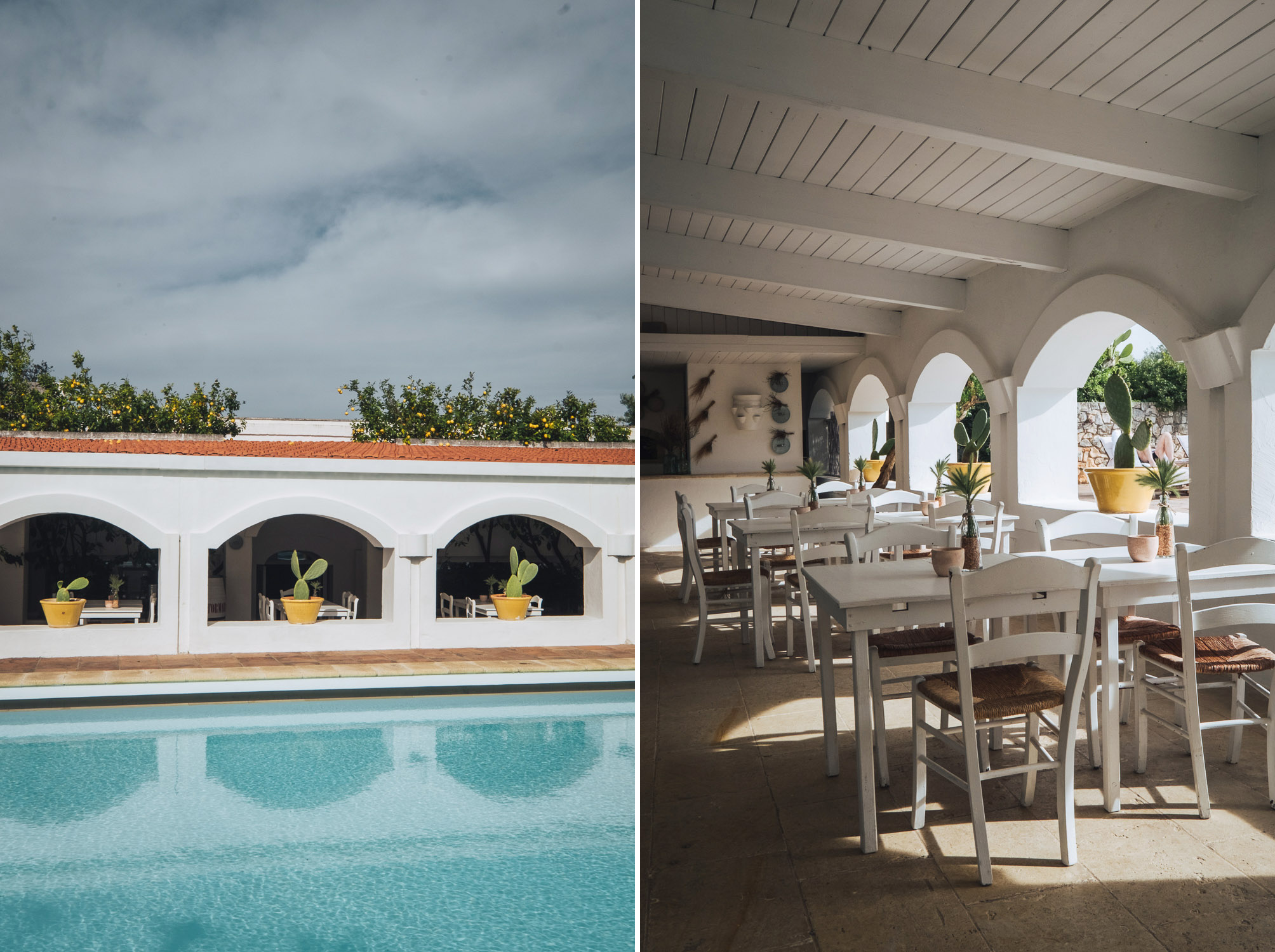
I fell in love with the gardens and courtyards lined with pink bouganville flowers and orange trees; the outdoor pool and serene spa.

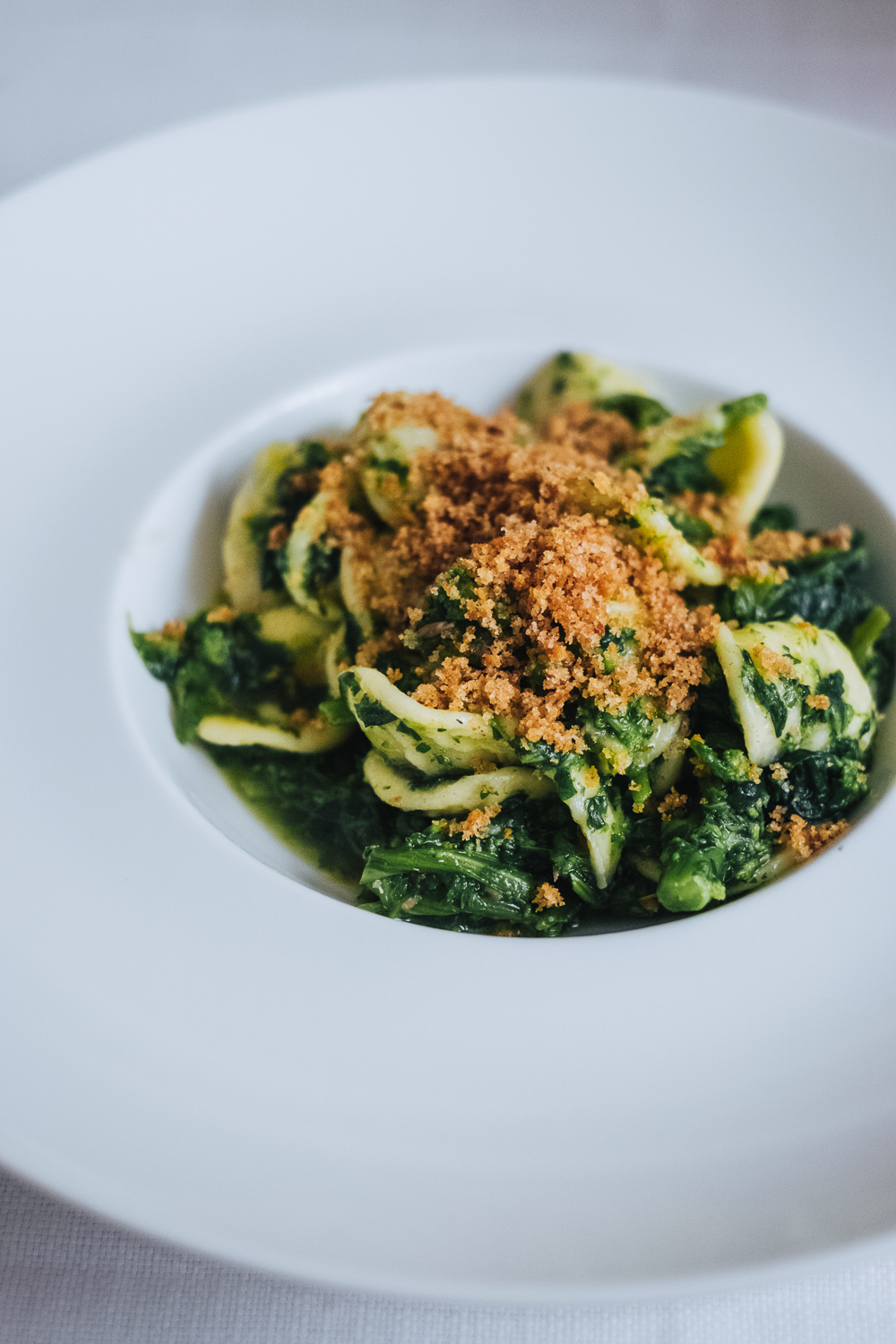
And Mùmmulo, a fantastic restaurant specialising in organic local produce. The land surrounding the restaurant provides rich buffalo mozzarella for their creamy dishes and durum wheat to produce their orecchiette pasta.
Tip: if you are travelling to this part of Puglia, it would be a real shame not to visit Matera, a cliffside town in the region of Basilicata known for its cave dwellings in the area that is called Sassi. The drive to Matera won’t take longer than 1-2 hours (depending on where exactly you are) so you can easily add this destination to your itinerary for an overnight stay. You can also travel to Matera by train or bus from Bari and other locations around Puglia. I will share my post about the best things to see in Matera soon!
Itria Valley in the heart of Puglia
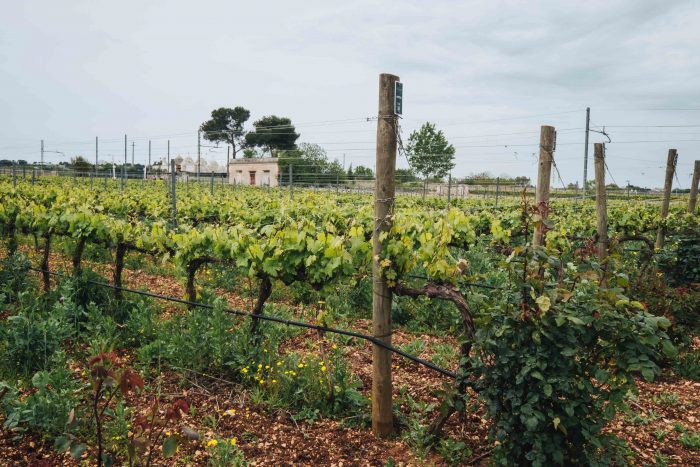
Valle d’Itria (Itria Valley) is a valley located in the centre of Puglia, at the heart of the rise to the great limestone plateau of Murgia (473m). It was our next stop after a detour to Matera, which I will tell you all about in another post. In the Itria valley we were graced with drystone walls, vineyards, fields of almond and olive trees, and endless winding country roads.
Ostuni
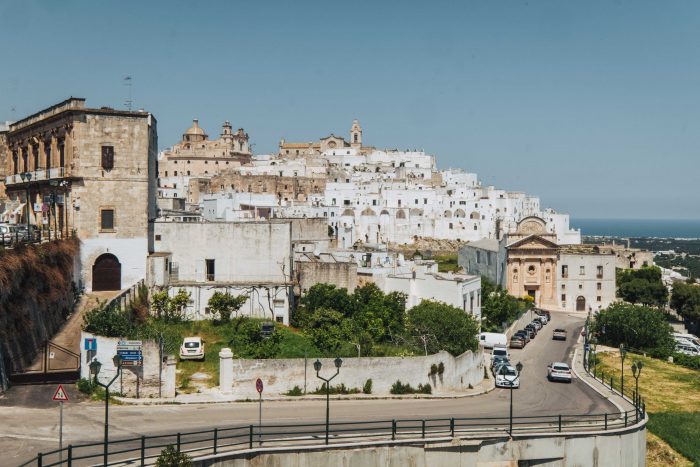
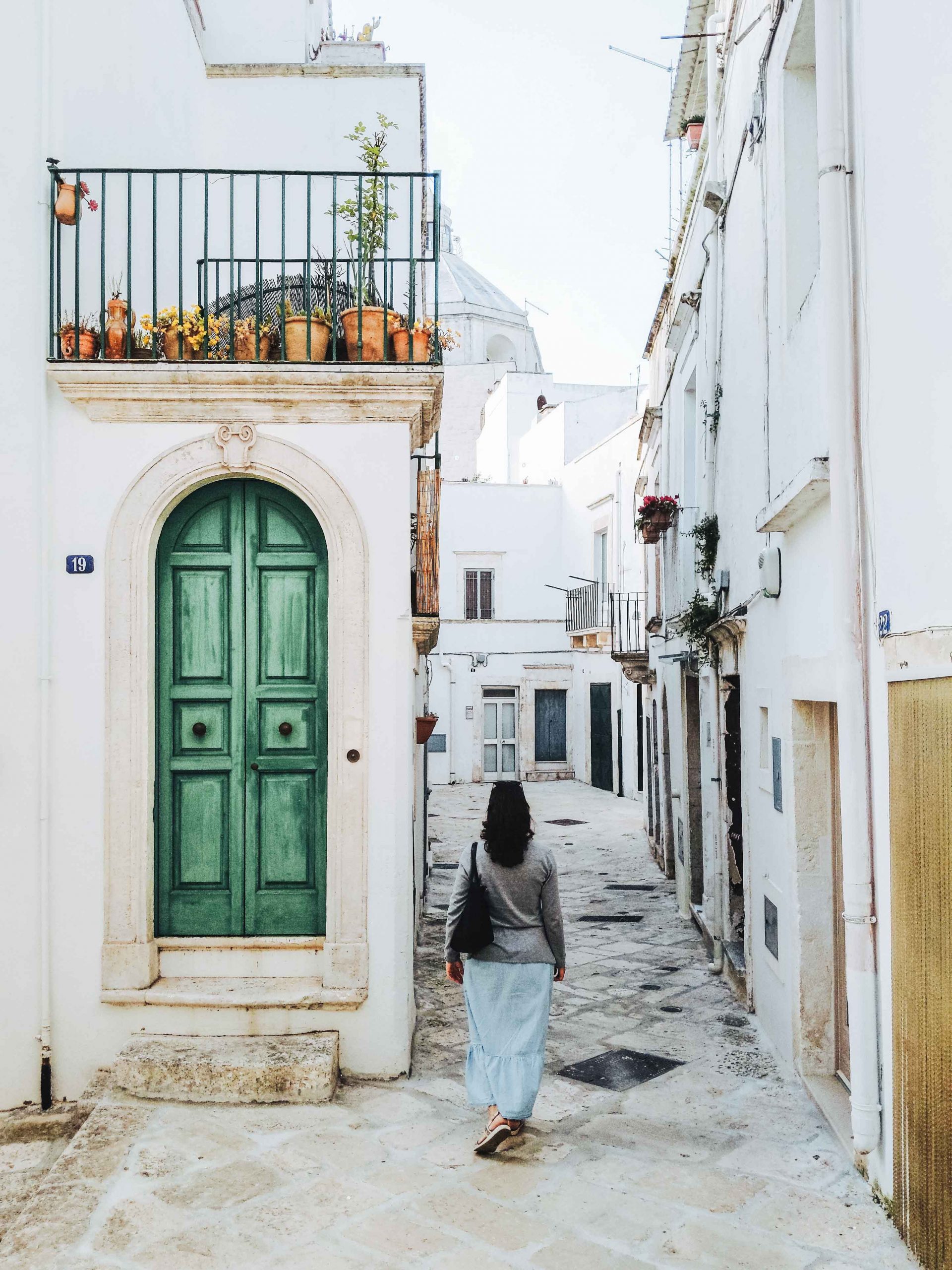
From Monopoli, it’s a 40-minute drive slightly inland to a white-washed village named Ostuni, fittingly dubbed the “Città Bianca” (the White City) aplenty with history and an ancient Gothic, Romanesque, and Byzantine cathedral.

It is a beautiful city where time seems to stop as you wander through its narrow and sometimes steep alleyways.

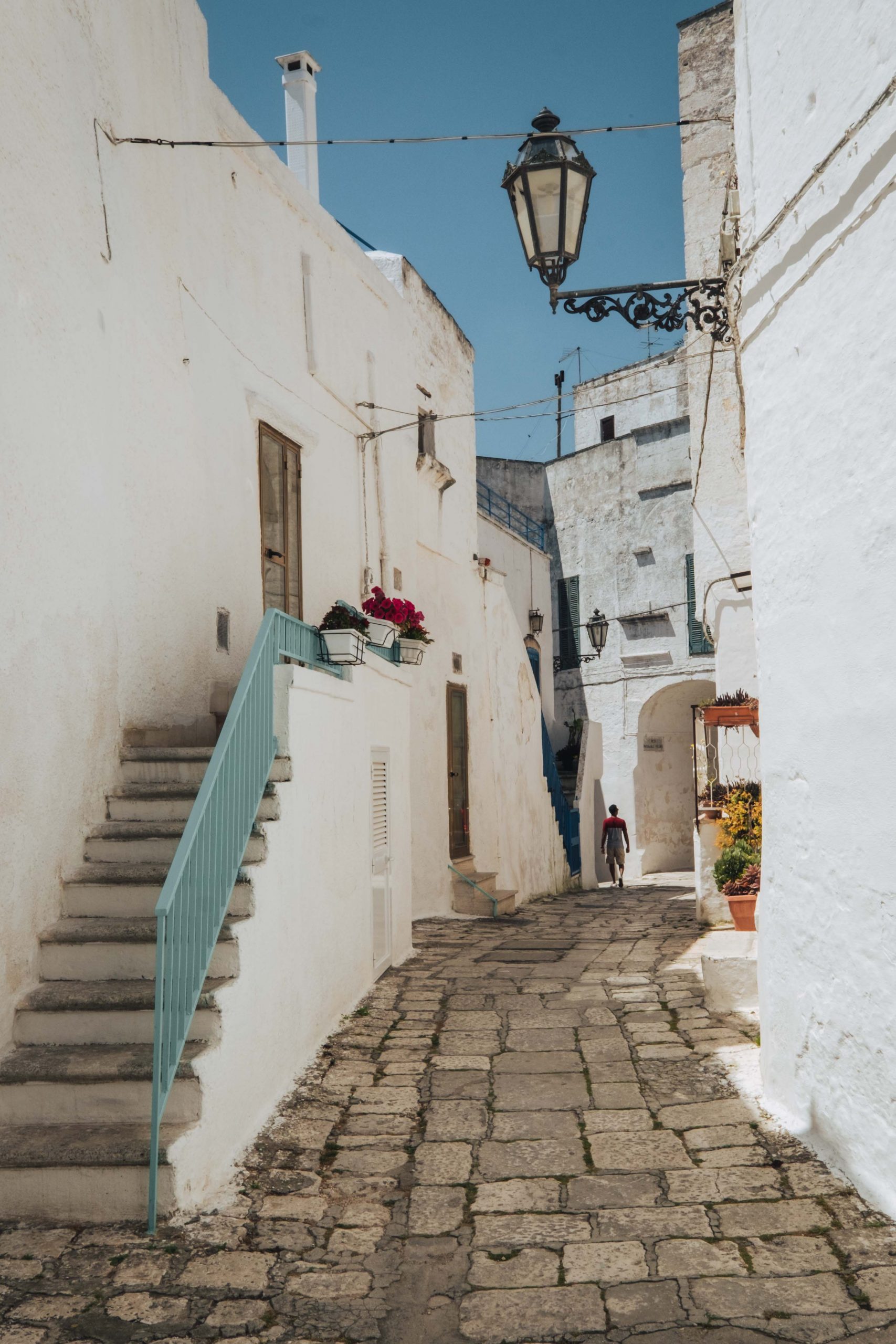
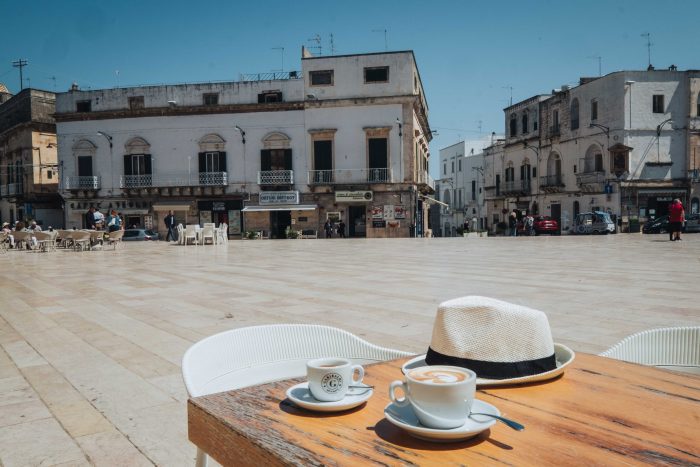
There isn’t much to do in the old city of Ostuni aside from walking around, taking photos, stopping for gelato or a coffee along the way. For us, one morning and evening were enough to fall in love with Ostuni!
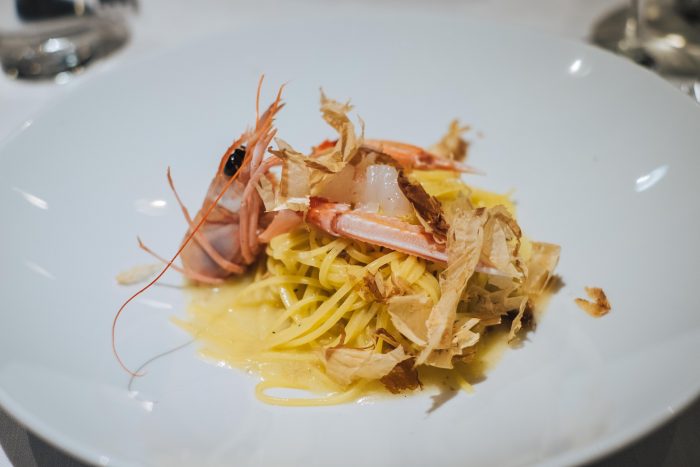
We dined at Dish, a fine dining restaurant with great service and amazing wine. They also have a beautiful terrace from which you will get one of the best views of the città bianca!
For a cheaper dining option, I have been recommended Osteria del Tempo Perso, though I didn’t have the time to try it first-hand. For a quick lunch on the go, I recommend Forno 31, a bakery where you can buy slices of pizza, focaccia as well as bags of homemade taralli pugliesi – one of the most iconic snacks of Puglia.
Tip: if you have an extra day to spend in Puglia, drive down from Ostuni to Lecce, Puglia’s Baroque masterpiece and one of Italy’s most beautiful cities!
Alberobello, an old Trulli Town and UNESCO Site
The unique and prehistoric dome buildings that date back to the 14th century are what have earned the town of Alberobello a recognition by UNESCO. Rural settlements were found to have called Alberobello home thousands of years ago.
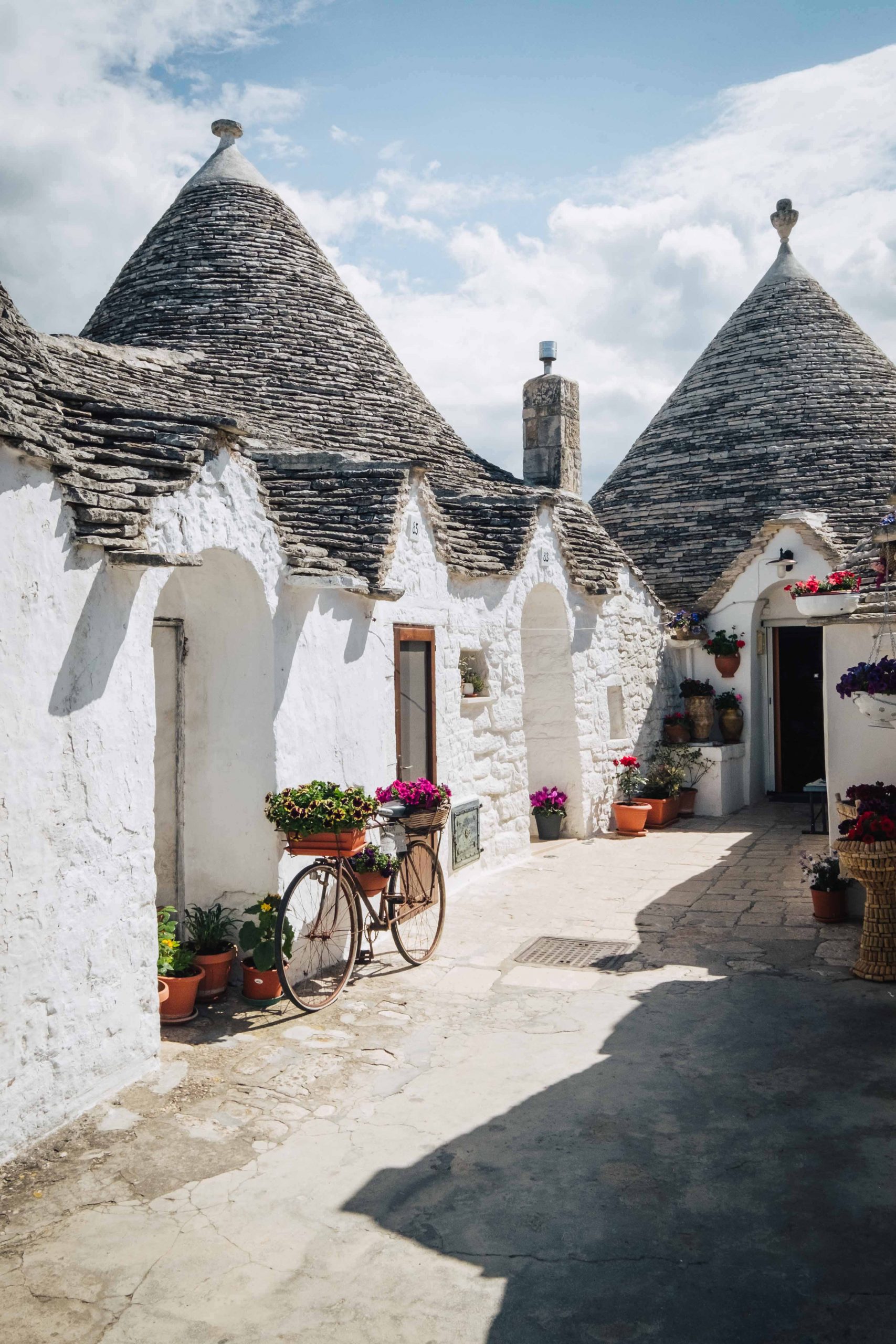
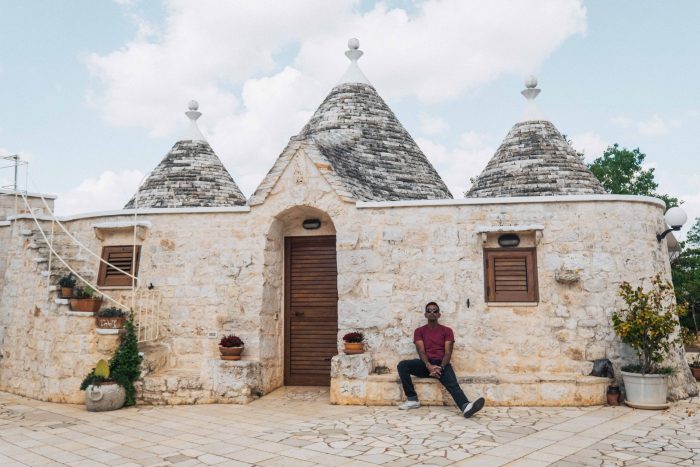
The centre of Alberobello is divided into two main districts: Rione Monti and Aia Piccola. They are most famous for the trulli, traditional Apulian dry stone huts that you will see everywhere in this part of the region.

Many of the trulli in Rione Monti and Aia Piccola are still used as family dwellings
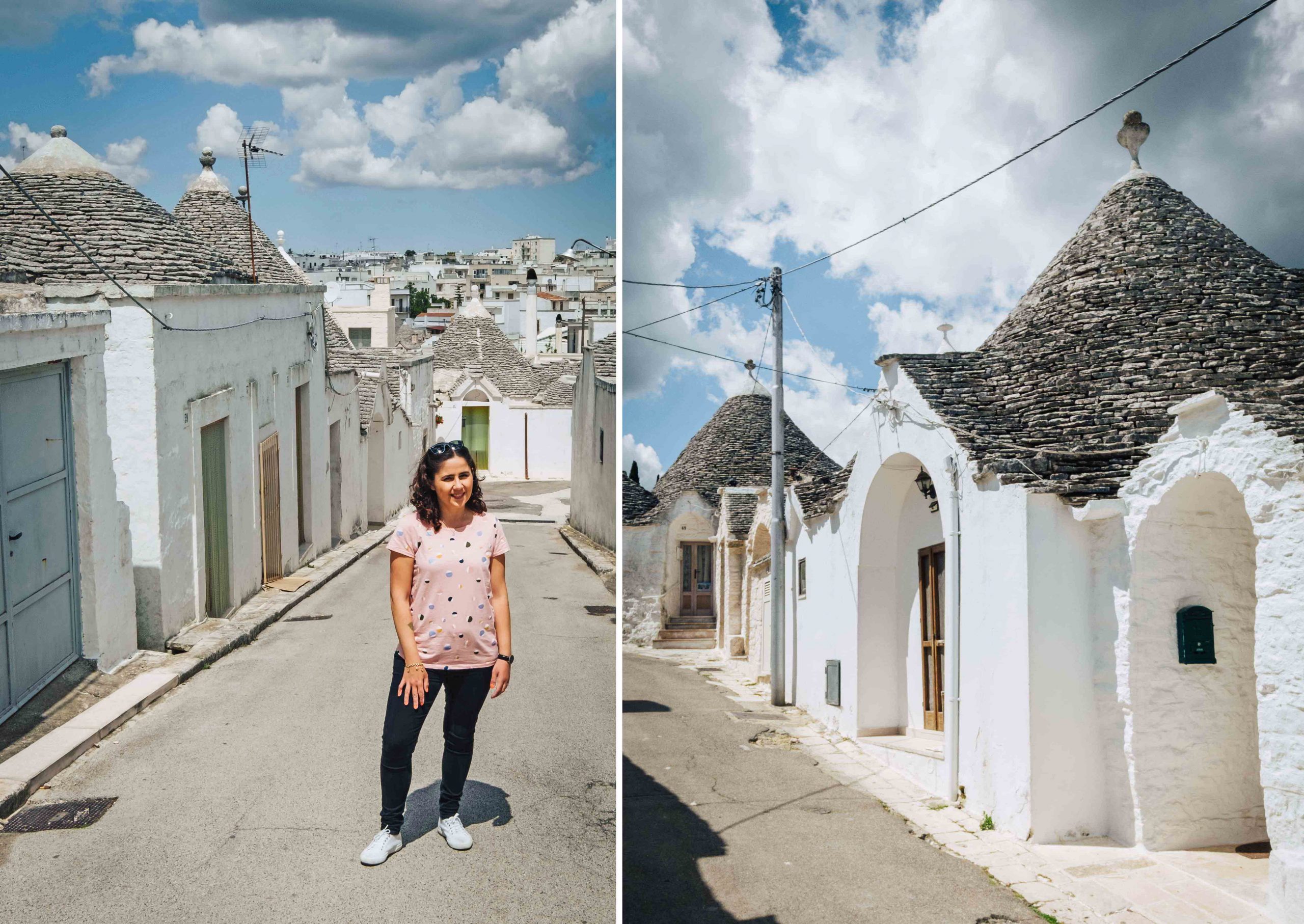
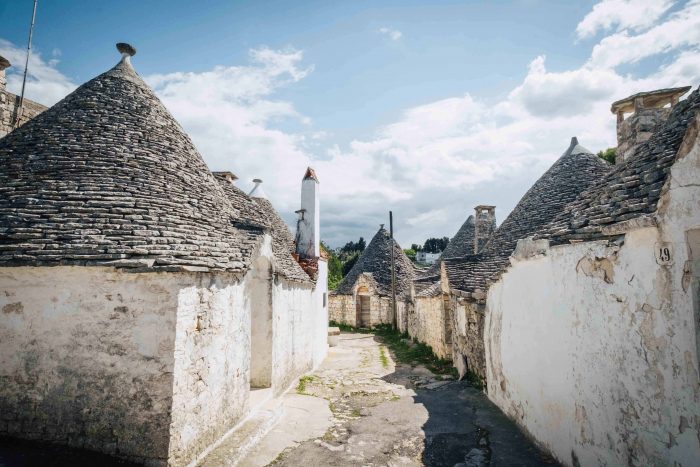
This history-rich town is by far the most touristy of all towns in Valle d’Itria, but in the end it doesn’t disappoint. If you’re looking to be transported in time and get a real feel for the old Italy.
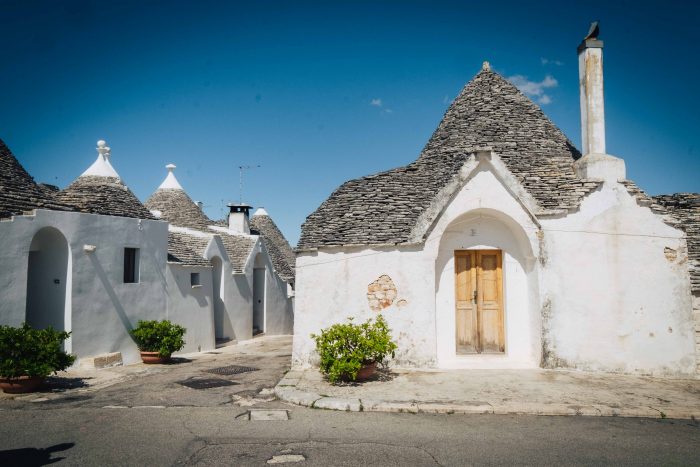
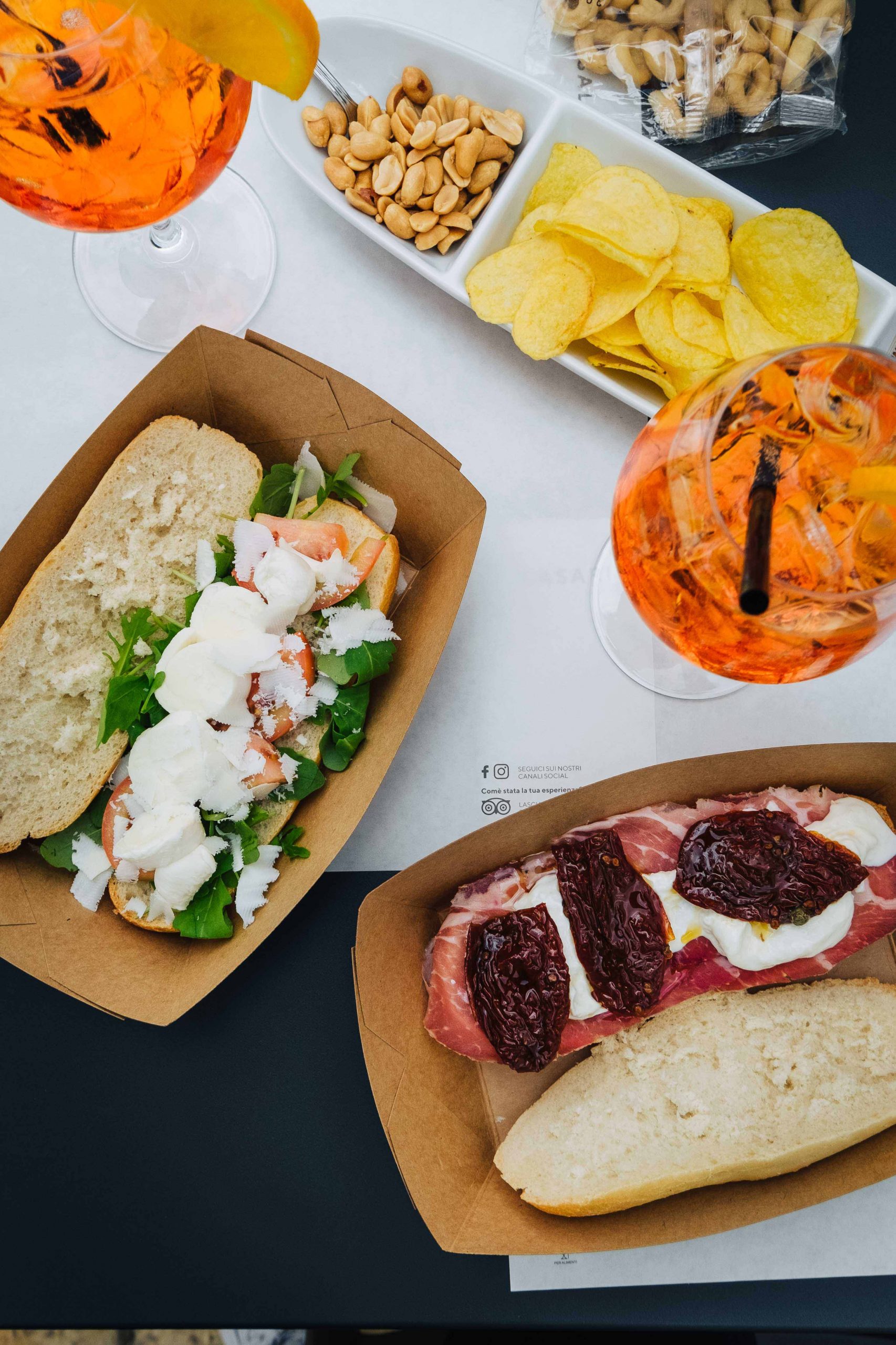
We visited Alberobello on a bank holiday so it was very busy, particularly in Rione Monti. We stopped for an aperitivo / lunch at Pane e Mozza, a great café and deli shop on the main street. They make tasty sandwiches and Aperol Spritz costs only a couple of Euros. They also sell local cheese such as burrata, stracciatella and caciocavallo.
After lunch we walked around Rione Aia Piccola, on the eastern side of Via Indipendenza, and we found this district to be quieter, with only a handful of tourists walking here and there.
Locorotondo, Cisternino, Martina Franca and Ceglie Messapica
In the following days, we explored the nearby towns of Locorotondo, Cisternino, Martina Franca and Ceglie Messapica. Locorotondo is quaintly located on top of a hill, making this beautiful town popular for taking in the sights of the vast surrounding green countryside. A great place to visit and get lost amongst its winding streets for a few hours. Make sure to try their famous sparkling white wine: Locorotondo DOC.

Dinner at a restaurant in Locorotondo
Cisternino, much like the historic surrounding towns, is a place that instantly takes you back in time. Lose yourself amongst its streets and watch them come to life in the late afternoon and well into the night. Stop at one of the many ceramic and terracotta shops, then get a table at Oltremura Bar to watch the warm glow of the sunset over the valley.
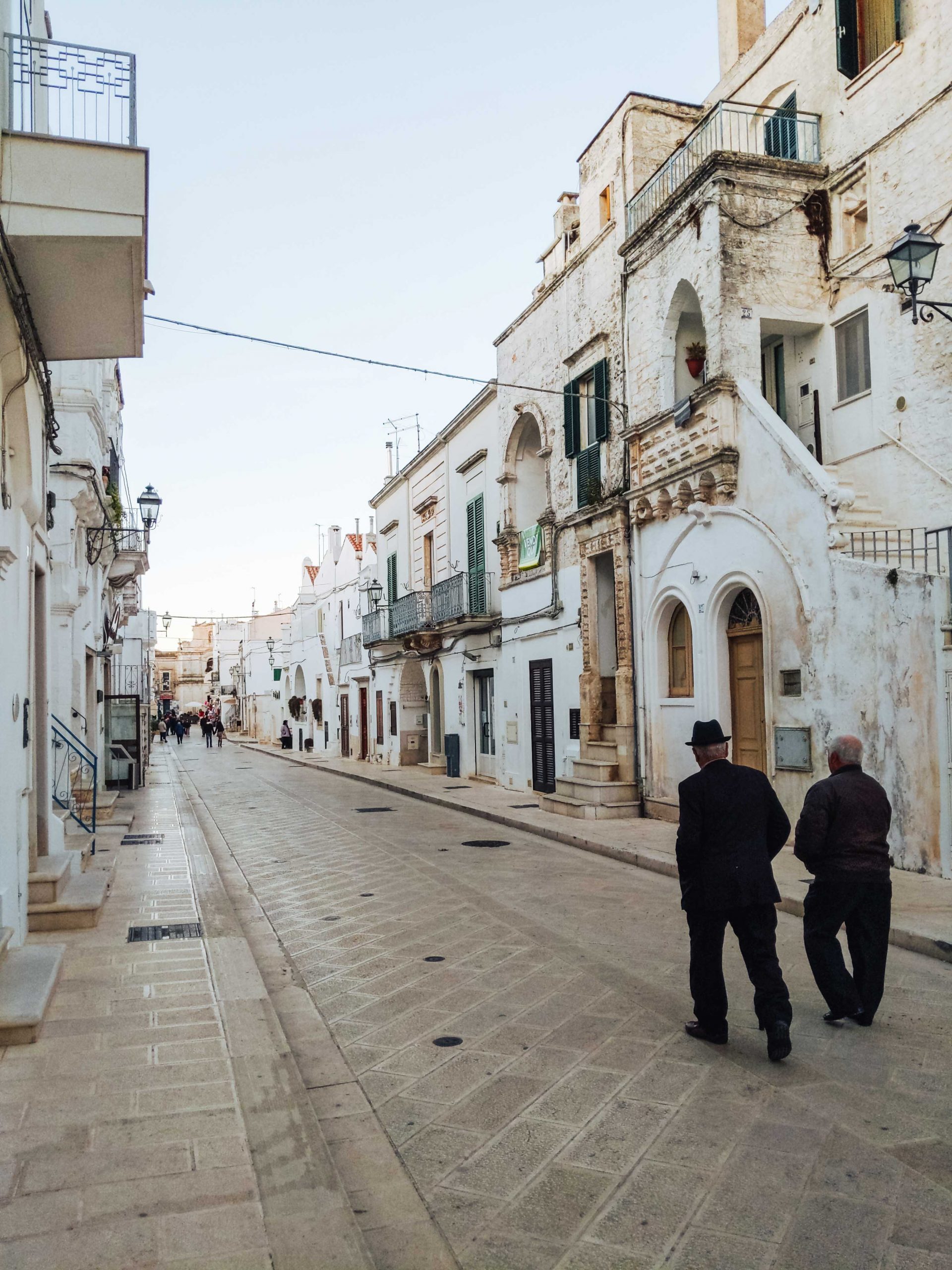
Our visit to Ceglie Messapica was a nice architectural change; this town has Moorish influences all through its rather large historic centre. I recommend visiting the Ducal castle and venturing into the outskirts where there are caves and grottos scattered around the hillsides. Don’t leave the town before you’ve had a taste of the local cookies known as “biscotti cegliesi”, one of the best Apulian recipes!
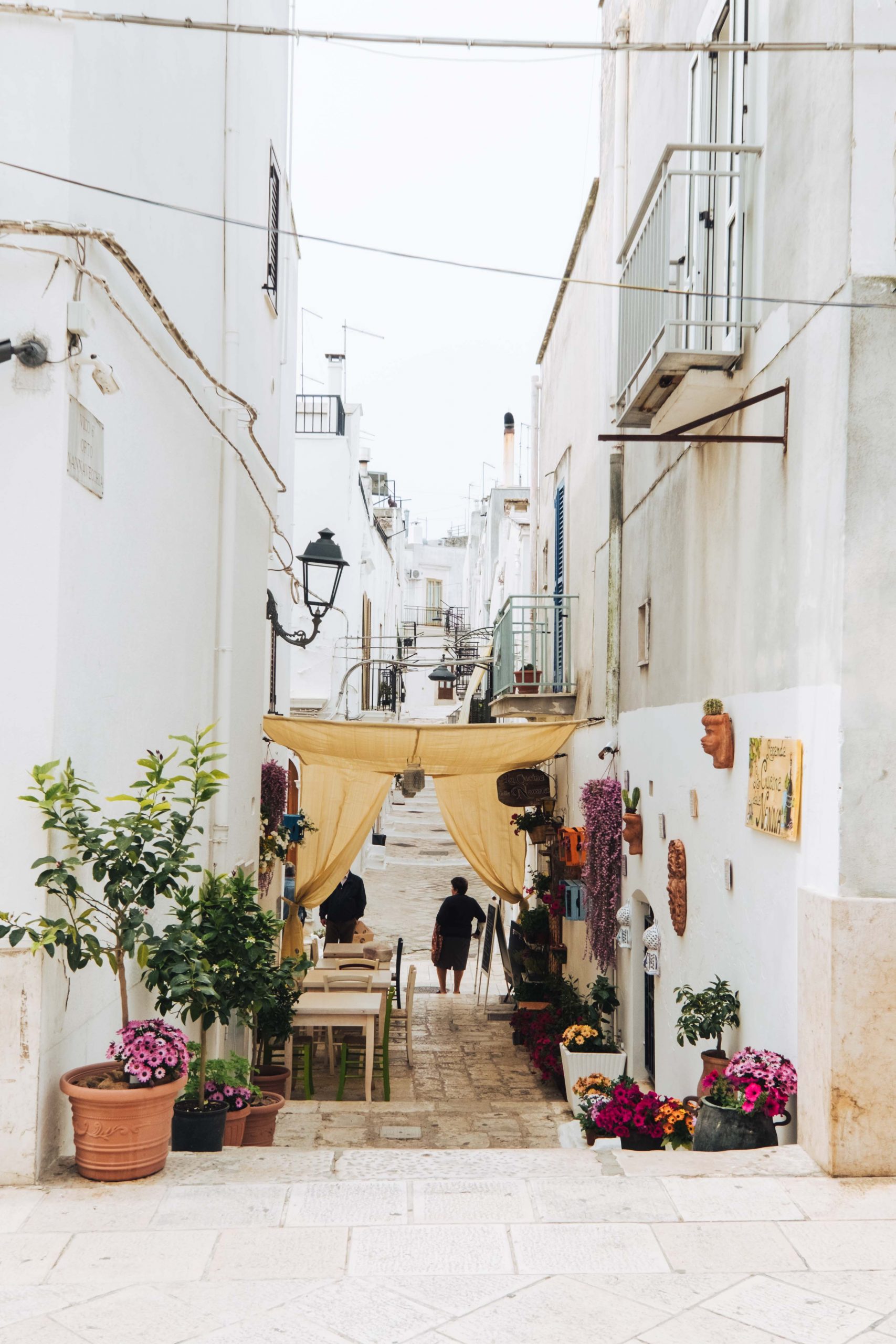
Martina Franca was our least favourite town, mainly because it is bigger than the others we visited and the architecture is a mix of old and new. There is a picturesque old quarter with winding alleys and white houses surrounded by pots filled with colourful flowers. Then there are baroque and rococo buildings, bigger roads and large piazzas where locals gather to drink a coffee and have a chat.
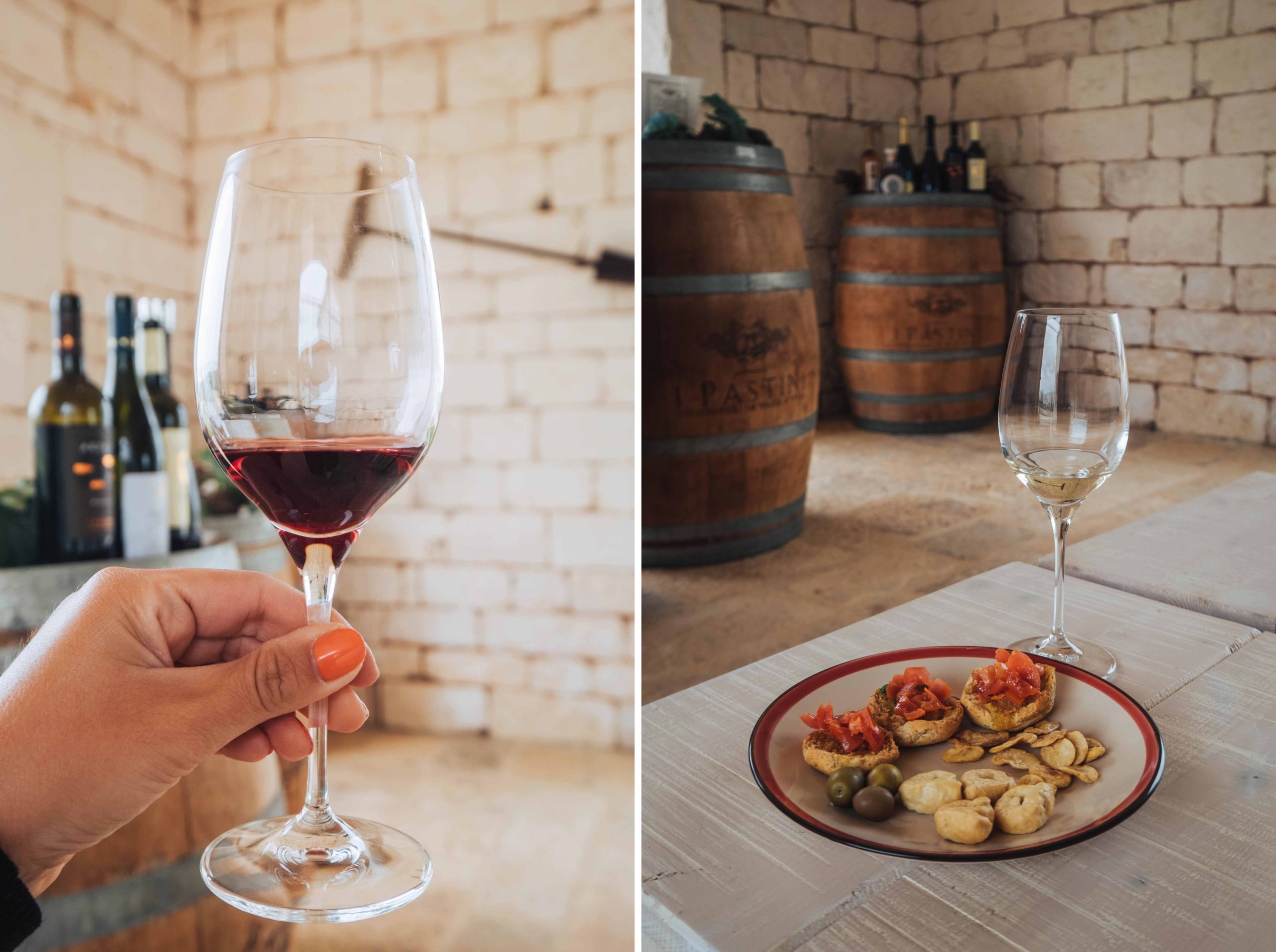
One morning during our stay in Valle d’Itria, we ventured off to Cantina I Pastini for a tour of the winery and a tasting of local wines, such as Primitivo red wine. It was one of the highlights of our whole trip! We couldn’t leave without buying a case of wine to be delivered to our home. Make sure to include this in your visit and book ahead so you don’t miss out.
Where to Stay in Valle d’Itria
While in Valle d’Itria, we stayed at two different “trullo” houses: one that we loved, but sadly doesn’t take bookings anymore; one that was fine but not exceptional, so I won’t recommend it here. You can find many trulli to rent online. One thing I realised, which I hadn’t thought about before, is that due to the nature of the construction, the trulli can be cold in winter. Keep this in mind when booking one, as perhaps they are best suited to warmer seasons.
We had been dreaming of doing a road trip across Puglia since our last trip to wonderful western Sicily and I am so happy we finally turn our dream trip into a reality. Saying goodbye to Puglia is hard to do once you fall in love with its charm! There is still so much of this region left to discover, so I am sure I will be back soon.








[…] https://www.mondomulia.com/2020/01/30/one-week-holiday-in-puglia/ […]
[…] you’re travelling through Valle d’Itria in the southern region of Puglia, make a stop at Cantina I Pastini. The winery offers guided tours with tasting of local wines, such […]
This is by far the best and most beautiful blog post I’ve ever read/looked through. Ever. Thank you for all the recommendations and the amazing photography! I can’t wait to see some of these places!
Thank you for the kind words Diana, I am so happy you enjoyed reading my post!
Thank you for such a lovely recollection of your stay in Puglia. We are travelling the same time of year, end of April. I’ll be taking your advice on some of the eateries, you make them sound unmissable.
All the best.
Sue
Thank you for your comment and I hope you have a wonderful holiday in Puglia soon!