
Wind back a decade and the definition of luxury was often synonymous with the ostentatious: the glittering skylines of Dubai, yacht charters in Monaco, or high-fashion districts. But in 2026, a shift has occurred. In an era where “luxury” can be curated for a social media feed in an afternoon, the truly affluent—and the truly mindful—are redirecting their focus toward something far more scarce: uninterrupted time and profound silence.
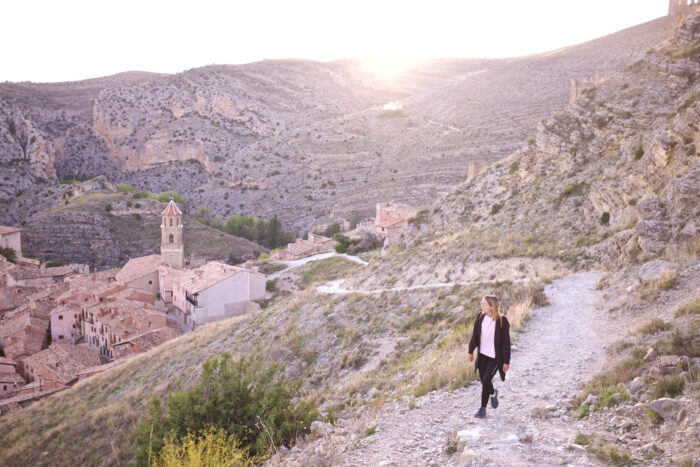
Photo by Mike Kotsch
For the modern traveller, luxury is no longer about what you can buy, but what you can leave behind. It is centered around detox, respite from the digital hum, and the physical renewal found in nature. This brings us to a compelling question: Can the Camino de Santiago, a pilgrimage historically defined by austerity, ever truly be a luxury experience?
Authentic tradition VS modern comfort
The Camino de Santiago has historically been associated with austerity. Creaky bunk beds, crowded hostels, sweaty backpackers, and a cheap way to travel on foot. But it wouldn’t be the first time that something seemingly working class – be it oysters, denim jeans or coffee – has become elevated or scarce. But these regions aren’t gentrified – they’re wild.
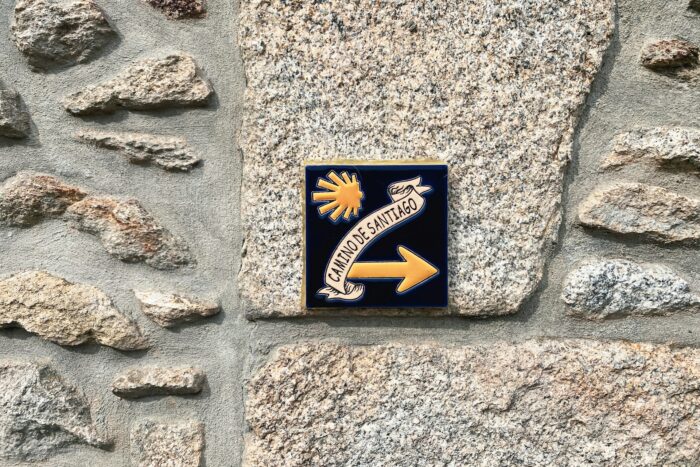
Photo by Max Kukurudziak
The Camino de Santiago trails pass some of the best wine regions in the world, like La Rioja, and some of the best culinary regions, like San Sebastián, and culminate in the culinary heart of Galicia. There is all the potential for a luxury experience, and staying in charming boutiques and taking a wine tour along the way isn’t conflicting with its authenticity. In fact, many of these local traditions are ubiquitous to locals, but a luxury to visitors (like good wine). Working around a vineyard is authentic working-class life in these regions, but it’s luxury to tour one, and the same can be said for the landscapes, food, and the act of walking.
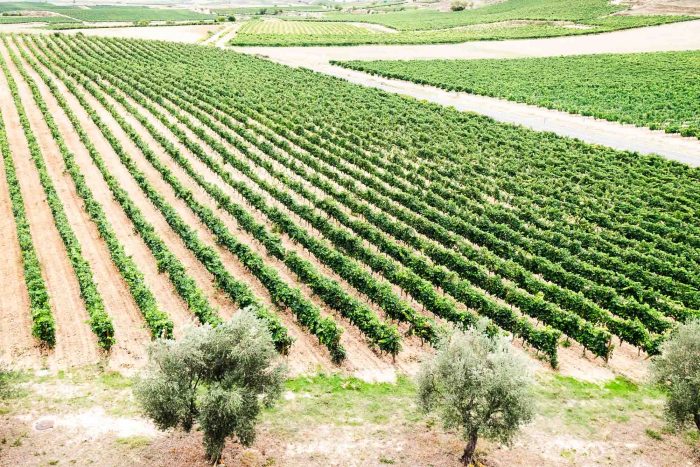
La Rioja wine region
Camino de Santiago: The luxury of slow travel
To embrace slow travel as a luxury vacation, we must remove the friction of logistics and decide what pain points are meaningful and which are not. Ascending a long hill when you’re tired? Meaningful. Finding an Albergue with a private room that hasn’t been booked out? Not too meaningful.
This is where an organized experience changes everything. A specialist provider like Santiago Ways can make the experience more premium by providing you with the route and booking your accommodation, allowing you to simply walk and treat it more like a (wild) wellness retreat. In fact, you needn’t even worry about luggage, as this can be transported between stays, allowing you to focus on things like packing your camera and favourite lens.

Santiago de Compostela – Photo by Jo Kassis
It’s this kind of curated approach that means you can choose a 100 km route like the Camino Francés from Sarria, and receive a certificate after a fairly comfortable and rejuvenating week of walking through the Celtic landscapes of Galicia with all its ancient stone walls. By not worrying about some logistics, you can worry about the meaningful ones, like where you’re going to stop off and indulge in the seasonal ingredients, or allow yourself time to chat to a local and ask for directions.
Beyond the Trail: Culinary Renewal
The Camino is less a week-long hike and more a living immersion into a historical pilgrimage where the pace of life remains beautifully unchanged. There is ample opportunity to indulge in some of the freshest, highest-quality ingredients possible—offering a sensory richness that often surpasses even the most acclaimed fine-dining restaurant in Madrid.
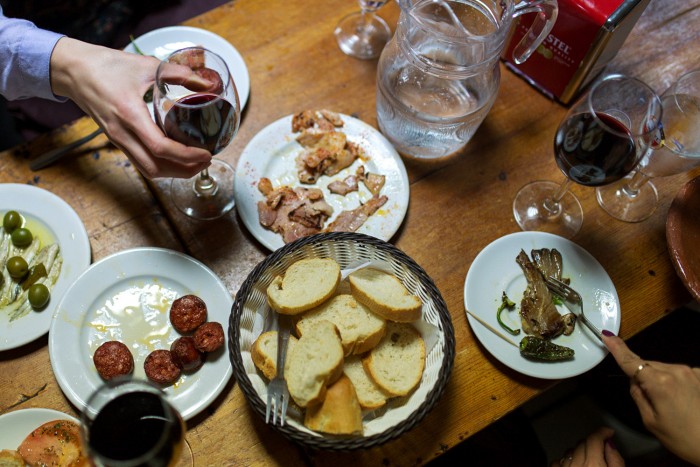
In the Basque Country and Navarra, the ritual of pintxos—artfully composed bites skewered to crusty bread—transforms a simple evening into a sophisticated social event. Further along the trail, the tradition of tapas evolves with the landscape, featuring everything from tender pulpo a la gallega (Galician octopus) to salty Padrón peppers. These plates find their perfect match in the region’s celebrated viticulture; whether it is a bold, oak-aged Rioja or a crisp, mineral-forward Albariño from the Atlantic coast, the wine is as much a part of the terroir as the soil beneath one’s boots. To sit at a rustic wooden table and enjoy a meal harvested from the surrounding fields is to experience a level of luxury that is both ancient and restorative.
The Ultimate Souvenir: A Shift in Perspective
Ultimately, embarking on a luxury Camino de Santiago in 2026 is an exercise in intentionality. It is the realization that a journey’s value isn’t measured by the weight of a souvenir, but by the lightness of the mind upon return. By stripping away the logistical friction and leaning into the comfort of a curated path, the pilgrimage is transformed from a test of endurance into a masterclass in presence. Whether it is the quiet mist of a Galician morning or the first sip of a heavy Rioja after a day’s walk, these are the moments that linger long after the boots are tucked away. In the end, the greatest luxury the Camino offers isn’t a five-star suite—it is the rare, unfiltered chance to simply be.







[…] the journey can also be approached as a slower, more comfortable form of travel. My guide to a luxury Camino de Santiago experience explores how the famous pilgrimage route can be combined with beautiful accommodation, local food […]