
A beautiful home isn’t just about aesthetics anymore. many homeowners are also becoming more proactive about checking the air quality in their homes to better understand what may be affecting their indoor environment. One of the biggest factors shaping modern design trends is indoor air quality. From natural materials to smart ventilation systems, homes are being designed to support cleaner, fresher air. These changes are not only practical but also influence the overall look and feel of modern interiors.
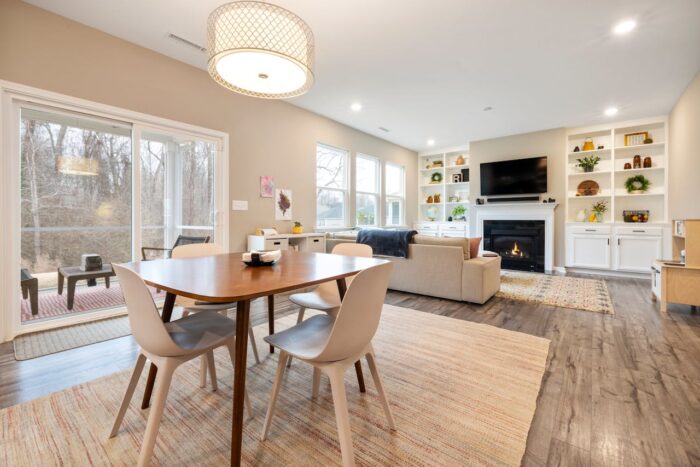
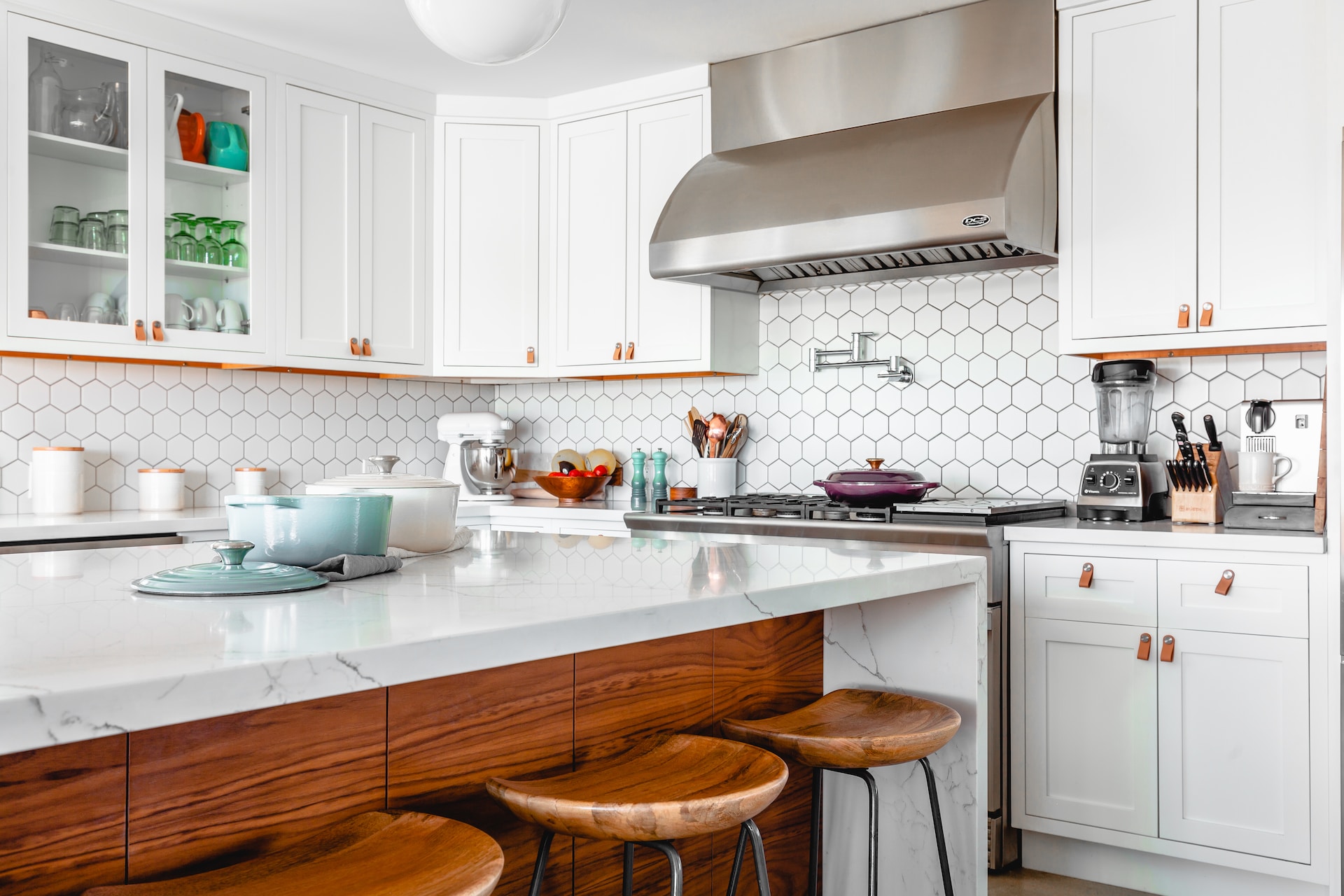
Photo by Curtis Adams
Just as global bedroom trends reflect evolving attitudes toward comfort and wellness, home design as a whole is shifting toward healthier environments that promote relaxation, productivity, and long-term wellbeing. As awareness grows, many homeowners are also becoming more proactive about checking the air quality in their homes to better understand what may be affecting their indoor environment.
Here are some of the most popular design trends that help improve indoor air quality while creating stylish, comfortable homes.
Natural Materials: Bringing the Outdoors Inside
One of the most noticeable trends in modern homes is the move toward natural materials. Wood, stone, bamboo, clay, and natural textiles are becoming popular alternatives to synthetic materials. These materials not only create a warm and calming aesthetic, but also help reduce the amount of chemicals and pollutants released into indoor air.
Many synthetic materials and finishes can emit volatile organic compounds (VOCs), which may affect air quality over time. Natural materials, on the other hand, are often less processed and therefore introduce fewer pollutants into the home environment.
Designers also appreciate the visual appeal of natural materials. Installing light timber floors is an excellent choice for a healthier home, as their smooth surfaces prevent dust mites and pet dander from becoming trapped compared to traditional carpeting. These flooring options, alongside woven textures and organic fabrics, create interiors that feel fresh, breathable, and connected to nature. The result is a home that looks beautiful while supporting a healthier indoor atmosphere.
Houseplants as Living Air Filters
Plants have long served a dual purpose indoors, functioning as both decorative elements in interior design and natural contributors to a healthier home. This traditional role continues today, as greenery is widely appreciated for its ability to help refresh indoor spaces.
Houseplants can contribute to a healthier indoor environment by supporting humidity balance and improving overall air freshness. Beyond these practical benefits, they consistently add life, colour, and texture to a room, making them a staple of a well-balanced home.
Large leafy plants, small potted herbs, and hanging greenery are all common features in modern homes. Designers often use plants to soften minimalist interiors or add vibrancy to neutral spaces. Popular choices include:
- Snake plants
- Peace lilies
- Spider plants
- Rubber plants
Not only do these plants enhance air quality, but they also create a relaxing atmosphere that makes any space feel more welcoming.
To truly help your indoor greenery thrive as a design feature, proper illumination is key. Just as landscape and garden lighting design creates atmosphere outdoors, thoughtful interior lighting ensures your houseplants remain a vibrant focal point of your home.

Photo by Kelly Sikkema
Smart Ventilation Systems
Modern homes are becoming more airtight to improve energy efficiency, but this can sometimes reduce natural airflow. To solve this issue, architects are incorporating smarter ventilation systems into home designs.
High-performance ventilation systems help circulate fresh air while removing indoor pollutants, allergens, and moisture. This ensures that indoor air remains clean and comfortable even in tightly sealed homes.
Designers often integrate these systems in ways that maintain the clean, minimalist look of contemporary interiors. Hidden vents, discreet air filtration units, and integrated air circulation systems help maintain both style and functionality. In many modern homes, ventilation is no longer just an afterthought—it’s a key element of the overall design.
Large Windows and Natural Ventilation
Another major design trend focuses on natural airflow. Homes with larger windows, sliding doors, and open layouts allow fresh air to circulate more freely throughout the space.
Natural ventilation helps reduce indoor pollutants and moisture while bringing in fresh outdoor air. It also helps regulate temperature without relying entirely on mechanical systems.
This trend often goes hand in hand with bright, open interiors. Large windows invite natural light while encouraging airflow between rooms.
Many designers also incorporate cross-ventilation—placing windows or openings on opposite sides of a room so air can flow through naturally. This simple design feature can dramatically improve indoor comfort and air quality.
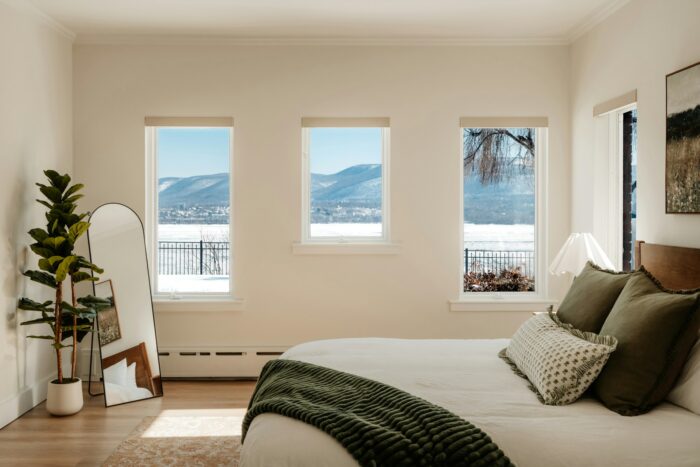
Photo by Clay Banks
Low-VOC Paints and Finishes
Paint, adhesives, and finishes are common sources of indoor air pollution. Traditional products may release chemicals into the air long after they have been applied. To address this issue, many homeowners are choosing low-VOC or zero-VOC paints and finishes. These products significantly reduce the amount of airborne chemicals released inside the home.
Fortunately, low-VOC options are now widely available and come in a wide range of colors and finishes. This allows homeowners to achieve their desired design style without compromising air quality.
Soft neutrals, calming greens, and warm earth tones are especially popular in modern homes, reinforcing the connection between healthy living and natural design.
Minimalist Design Layouts That Reduce Dust
Minimalism has become a defining feature of contemporary interior design. Beyond aesthetics, it also has practical benefits for indoor air quality. Cluttered spaces tend to collect dust and allergens more easily. By simplifying layouts and reducing unnecessary furniture or decorations, homeowners can make their living spaces easier to clean and maintain.
Minimalist interiors often feature:
- Open floor plans
- Streamlined furniture
- Hidden storage solutions
- Clean lines and neutral palettes
These design choices not only create visually calming environments but also help limit dust accumulation and improve overall indoor cleanliness.
Air-Purifying Materials and Technology
Technology is also playing a role in improving indoor air quality. Modern homes increasingly include air purification systems designed to filter pollutants, allergens, and airborne particles. Some innovative materials used in home design even help break down pollutants naturally. Certain wall finishes, air filters, and purification systems can actively remove contaminants from the air.
Smart home technology also allows homeowners to monitor air quality levels in real time. In many cases, homeowners combine smart monitoring with professional indoor air quality testing to better understand what may be circulating inside their homes. Sensors can detect humidity, carbon dioxide, and particulate matter, helping residents adjust ventilation or filtration systems as needed.
This blend of technology and design is shaping the future of healthier homes.
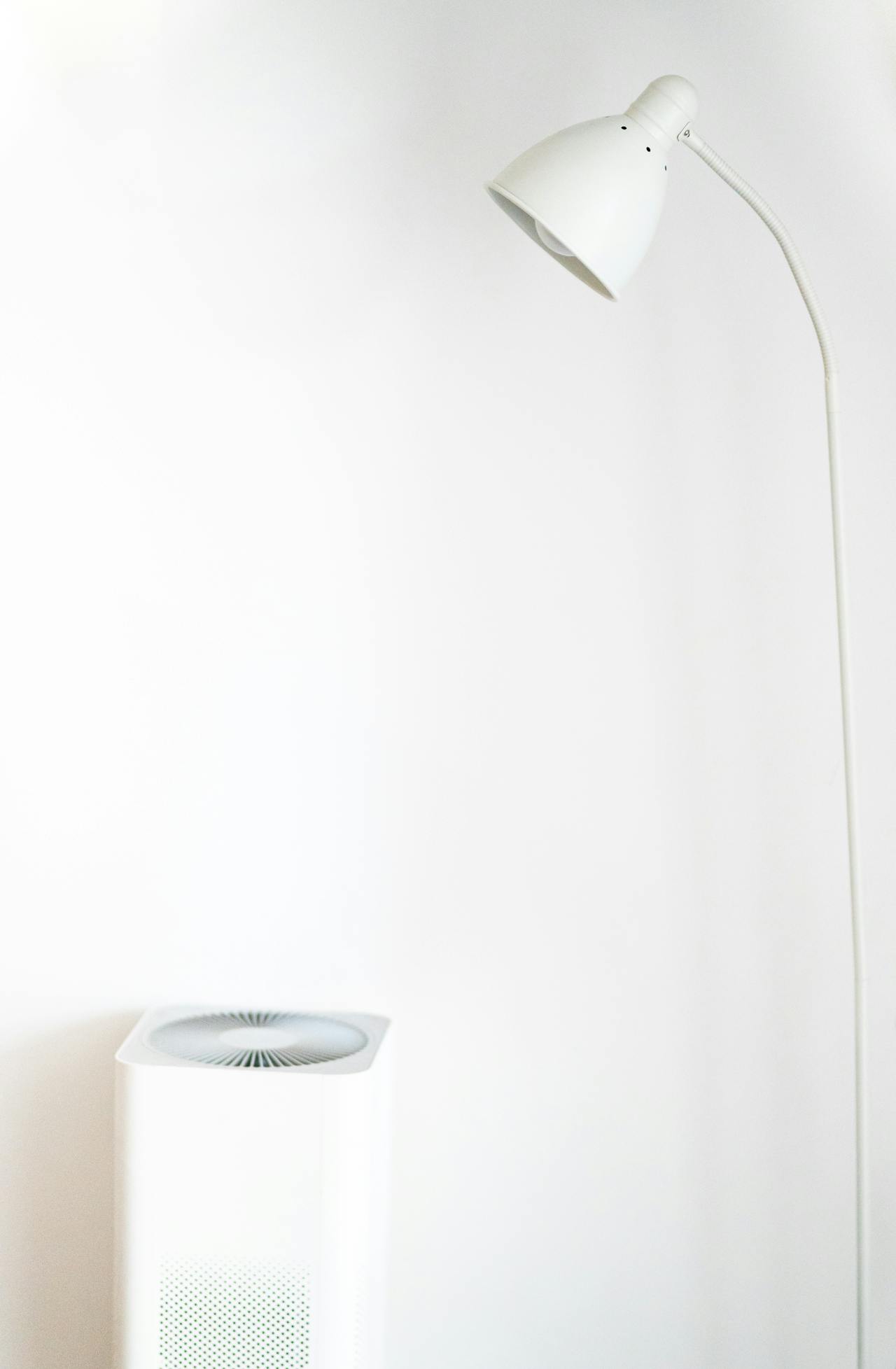
Photo by Cats Coming
Final Thoughts
Modern home design is evolving beyond appearance. Today’s interiors are expected to support health, comfort, and sustainability alongside style. Trends like natural materials, improved ventilation, houseplants, and low-VOC finishes are helping homeowners create living spaces that feel fresher and healthier.
By combining thoughtful design with modern technology, homes can become environments that not only look beautiful but also promote cleaner air and better wellbeing. As awareness of indoor air quality continues to grow, these design trends are likely to play an even bigger role in shaping the homes of the future.








[…] relationship between ventilation, materials and wellbeing at home, I’ve also written about healthy home design trends and improving indoor air quality. And if you notice any damp patches forming on timber, deal with them straight away before mould […]