
Luxury fashion is moving in a new direction. Shoppers are looking for ways to own high-end pieces without the guilt of fast-fashion waste. Pre-loved items offer a bridge between top-tier style and eco-friendly choices. This shift is changing how we think about our closets. It turns every purchase into a statement about personal values. High-quality craftsmanship stays valuable long after the first sale.
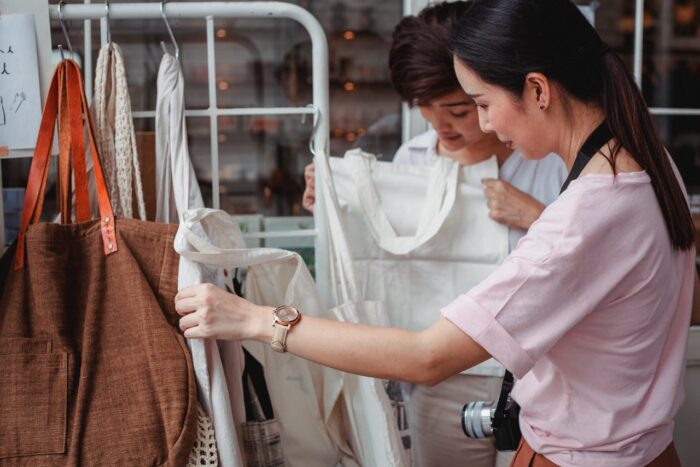
Photo by Sam Lion
Worldwide Availability
Finding rare items used to mean traveling to distant cities or visiting hidden shops. Finding the right look is easier now than ever. Whether you shop at zenluxe.jp or a similar website, you can now access high-quality goods from your own home. This digital shift has opened doors for fashion lovers everywhere.
You no longer need to live in a fashion capital to find iconic bags or shoes. The reach of the internet brings these pieces to your doorstep. It makes shopping for luxury more convenient for everyone. Logistics have improved significantly over the last few years. Shipping networks now cover almost every corner of the map. You can find a vintage piece in one country and have it arrive in another within days.
This connectivity has made luxury more accessible than ever before. It levels the playing field for collectors around the world. Every person has the same chance to find something beautiful.
Economic Benefits Of Vintage Luxury
Luxury goods are often seen as expensive investments. Buying these items second-hand can save a significant amount of money. One report mentioned that purchasing used items is 33% more affordable over time than buying cheap, fast-fashion alternatives.
This makes high-end style reachable for a wider audience. It allows people to own pieces that would otherwise be out of reach. For example, a bag that retails for $3,000 might be half that price when pre-owned.
Quality items tend to hold their value over time. A well-made leather bag can last for decades with the right care. You are not just buying a product, you are buying durability. In addition to traditional hides, the rise of premium plant-based leathers—made from materials like cactus, pineapple, or mushrooms—offers a high-performance, vegan alternative that mimics the texture and longevity of the real thing.
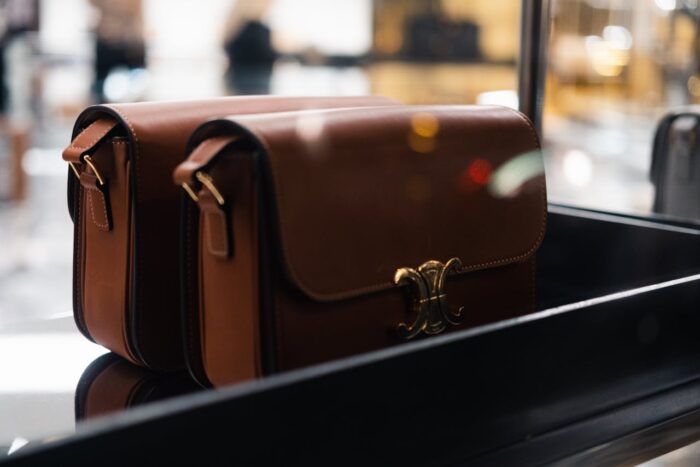
Photo by Mathias Reding
When you decide to move on, the piece often retains a good resale price. This creates a cycle of value that benefits every owner.
The Shifting Mindset Of Modern Shoppers
People are thinking more about where their clothes come from. They want to know that their purchases do not harm the planet. A recent study found that awareness of recycling and positive personal attitudes are driving more people toward used luxury items.
This behavior change is seen across all age groups. It reflects a deeper understanding of the fashion industry. Shoppers now prioritize items with a history. They find joy in knowing a piece was loved before. This emotional connection makes the item feel more special.
The focus has shifted to the story behind the garment. People want their wardrobes to reflect their commitment to a better future. Style is becoming a way to show one’s ethics.
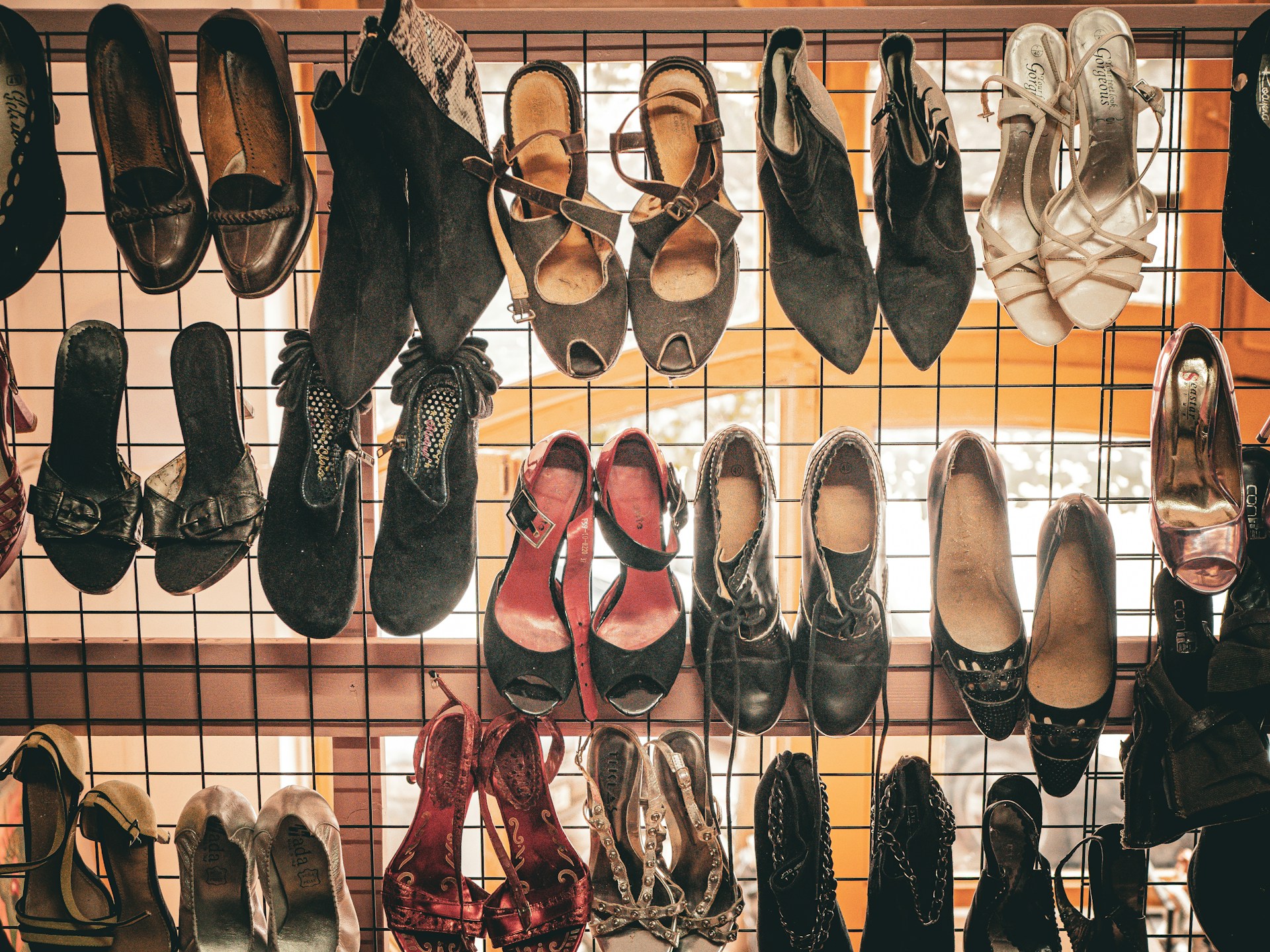
Photo by Evgeniy Beloshytskiy
Environmental Impact And Industry Growth
The fashion world is seeing a massive shift in how people buy clothes. This movement is gaining speed every single day. Data from the World Economic Forum shows that second-hand sales are rising 3 times faster than the rest of the clothing market. This growth proves that shoppers are looking for better ways to consume. They are moving away from the cycle of buy and toss. Reducing waste is a top priority for many designers and fans alike. Reusing high-quality garments helps save natural resources.
Beyond simply wearing a piece as it was originally designed, many fashion enthusiasts are also embracing upcycling, where a vintage garment is creatively altered or repurposed into something entirely new and unique.
Every pre-loved purchase keeps an item out of a landfill. This is a simple way to make a big difference. The industry is adapting to meet this demand for circular fashion.
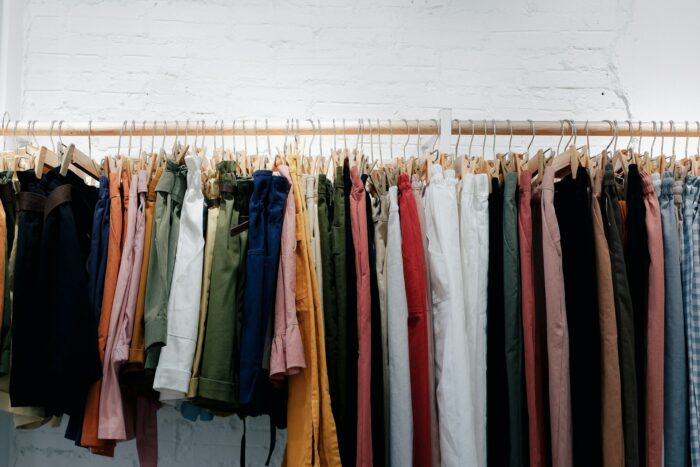
Photo by Fujiphilm
Quality That Lasts Generations
Luxury items are made with superior materials and craftsmanship. These pieces are built to stand the test of time. You can see the difference in the stitching and the feel of the fabrics. These items do not fall apart after a few washes. They are designed to be repaired and maintained. You can pass them down to the next generation.
- Superior stitching and premium leather materials.
- Classic designs that stay relevant for years.
- Strong resale value for future owners.
- Unique textures that improve with age.
Why Craftsmanship Matters
Master artisans spend hours creating these items by hand. This level of detail is impossible to find in mass-produced clothing. When you buy vintage, you are preserving that art form. It is a way to honor the skill of the original creator. These items remain functional and beautiful for a very long time. Quality is always a better choice than quantity.
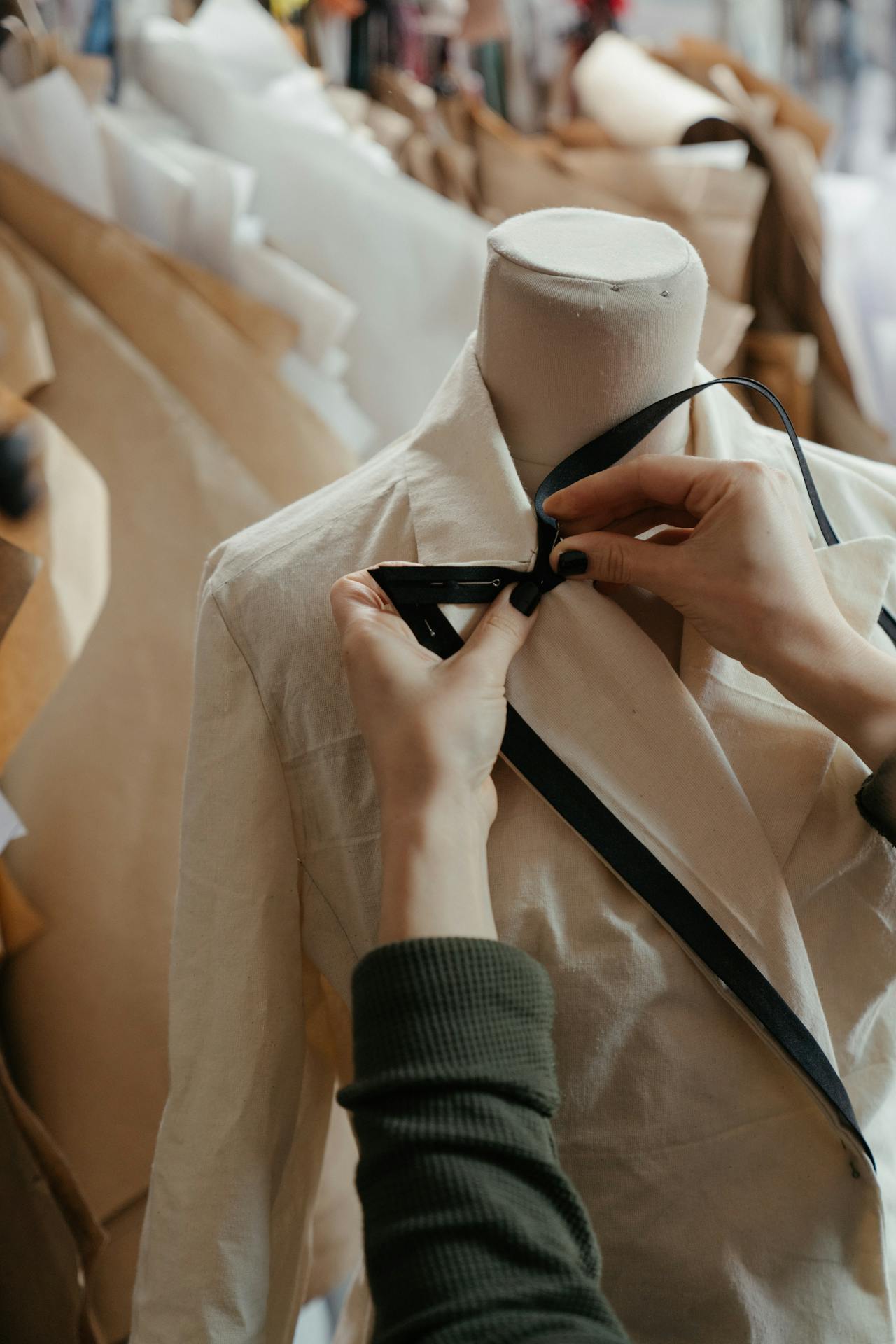
Photo by cottonbro studio
Building A Unique Personal Wardrobe
Wearing vintage luxury helps you stand out from the crowd. You won’t see everyone else wearing the same mass-produced items. It gives you a chance to express your personality.
You can mix and match different eras to create a look that is your own. This freedom is what makes fashion fun. It turns your closet into a personal gallery.
Each piece has a story and a history. Finding a rare item feels like finding a hidden treasure. It adds a layer of depth to your style choices. You are not just following a trend from a magazine. You are building a collection that is timeless. This approach leads to a more curated and thoughtful closet.
Choosing pre-loved luxury is a win for your closet and the planet. You get incredible quality and style, and support a more circular economy. It is a trend that is here to stay as fashion continues to evolve.






[…] consumers are exposed to global brands daily, authenticity becomes a differentiator. Embracing sustainable luxury is no longer just a trend; it is a core expectation for brands looking to establish long-term trust […]