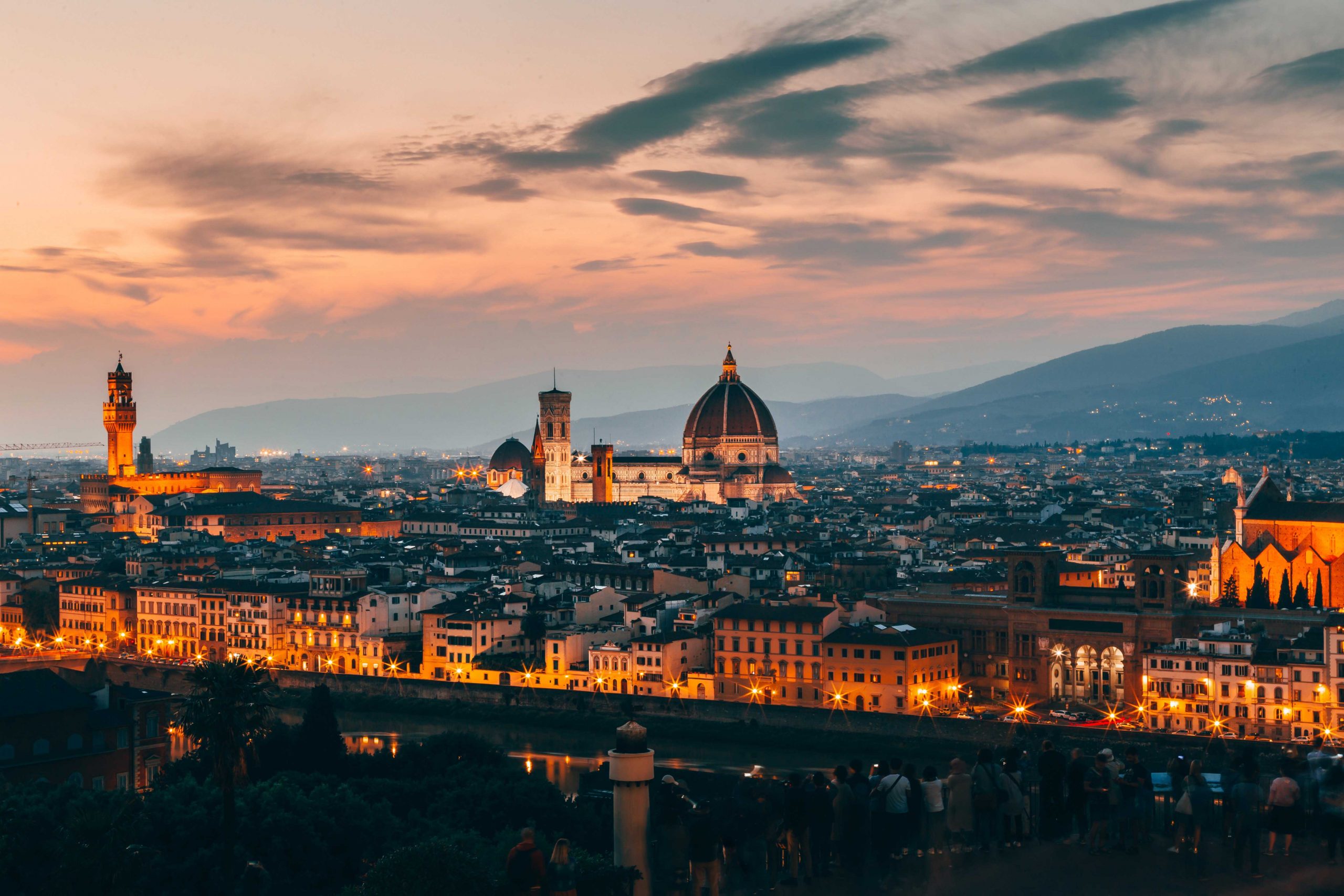
Colorado’s food reputation has historically been outrun by its landscape reputation, which is understandable. When a state contains fourteen-thousand-foot peaks, world-class ski terrain, and canyon country that rivals Utah, the restaurant scene tends to get mentioned as an afterthought. That is no longer fair, and it hasn’t been for some time. The food culture that has developed across Colorado over the past fifteen years is now genuinely worth travelling for in its own right.
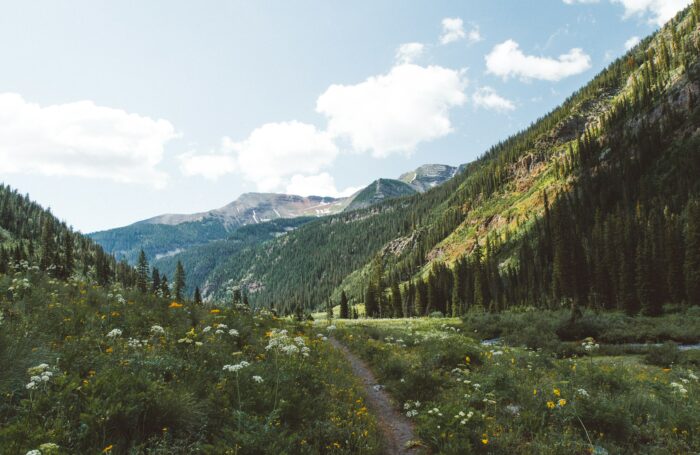
Photo by Holly Mandarich
Visitors often arrive for the dramatic scenery, from the Rocky Mountains to canyon landscapes that evoke some of America’s most famous natural wonders. For travellers planning a wider US road trip, destinations such as the Grand Canyon frequently feature alongside Colorado’s national parks and mountain towns on the same itinerary.
Getting Off the Main Road Is Where It Starts
Colorado’s most interesting food is not concentrated in one place. It exists in Denver’s restaurant neighbourhoods, in mountain town kitchens that punch well above their weight, in roadside farm stands along the Western Slope, and in small producers scattered across a state whose agricultural range is wider than most people expect. Moving between these requires your own transport. Arranging a car rental at Denver airport before the trip rather than on arrival means the first drive can head toward something worth eating rather than being absorbed by logistics.
The Western Slope, in particular, rewards food-focused travellers who make the effort. The Grand Valley around Grand Junction produces some of Colorado’s best peaches, wine grapes, and stone fruit – the Colorado Wine Industry Development Board maps the region’s wineries and tasting rooms for anyone building an itinerary around them. The Palisade Peach Festival in late summer draws visitors specifically for the fruit, which has a deserved reputation.

Photo by Matthieu Joannon on Unsplash
Denver’s Food Scene Has Grown Into Something Serious
Denver is no longer a city where you eat well by accident. The restaurant neighbourhoods that have developed over the past decade – RiNo, LoHi, South Pearl Street, the Highlands – contain a range of cooking that reflects the city’s demographics, its proximity to Mexico, and the ambitions of a generation of chefs who chose Colorado deliberately rather than defaulting to the coasts.
The city’s Mexican food is the most underappreciated part of this picture. Colorado’s long history of Mexican immigration has produced a green chile culture that is specific to the state and worth understanding on its own terms. Hatch versus Pueblo chile is a debate that Coloradans take seriously, and the breakfast burrito smothered in green chile is a better introduction to the state’s food identity than almost anything else on a Denver menu.
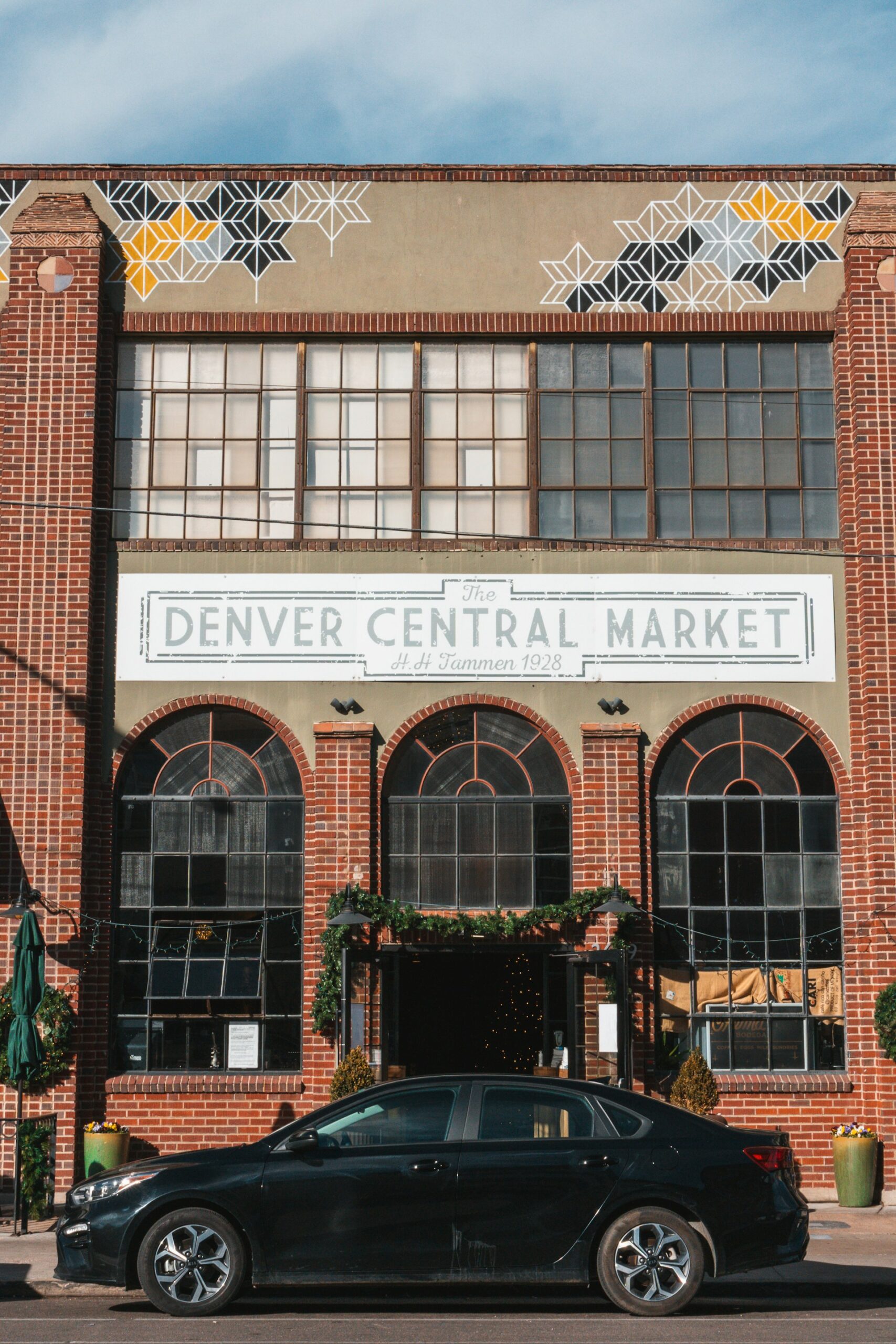
Photo by Marc Pineda
The Mountain Towns Eat Better Than They Used To
The transformation of Colorado’s mountain town food scene over the past decade has been significant. Towns that once offered little beyond burgers and pizza after a day on the mountain now have restaurants worth visiting independently of the outdoor activity. Telluride has a dining scene that would hold up in a larger city. Crested Butte’s small cluster of serious restaurants is disproportionate to its population. Ouray, a town of fewer than a thousand people in the San Juan Mountains, has a handful of kitchens that cook with genuine ambition.
The common thread is local sourcing taken seriously rather than as a marketing claim. Colorado’s agricultural base – lamb from the San Luis Valley, beef from the Eastern Plains, trout from mountain streams, produce from the Western Slope – gives chefs working in mountain towns access to ingredients that justify the elevation premium on the menu.
Craft Brewing Remains One of Colorado’s Genuine Contributions
Colorado’s role in the American craft brewing movement is not incidental. The state was home to some of the earliest and most influential craft breweries in the country, and the culture that grew up around them has produced a brewing landscape that remains one of the most interesting in the US.
Beer tourism is a real category in Colorado, and building a loose itinerary around brewery visits – particularly on the Western Slope and in the mountain corridors – produces a trip that covers a lot of interesting ground while eating and drinking well along the way.
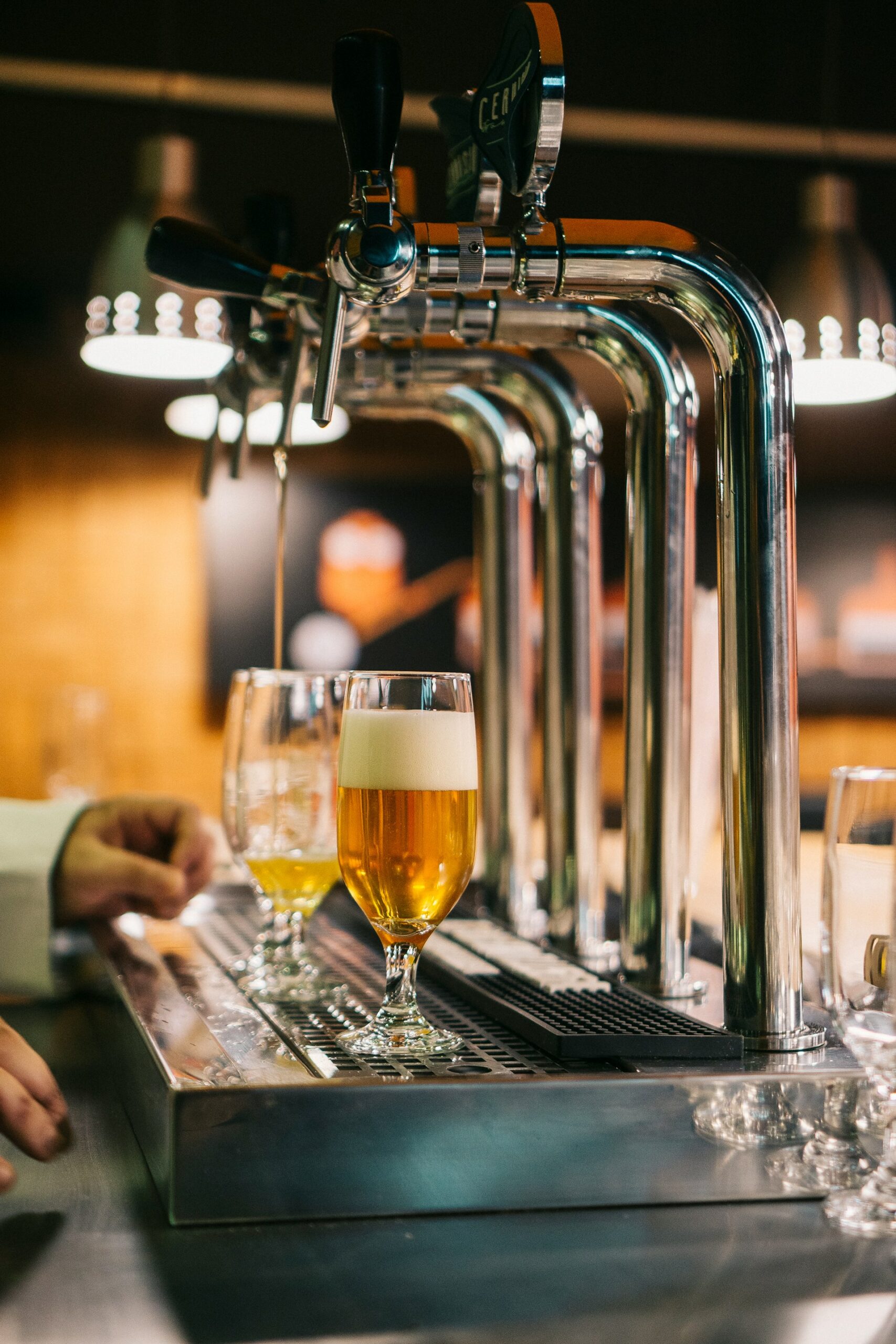
Photo by Fábio Alves
For travellers exploring the American West, Colorado also combines well with destinations such as Las Vegas, making it easy to pair mountain scenery, food experiences, and brewery visits with a longer road trip through Nevada, Utah, and Arizona.
Farmers’ Markets and Farm Stands Are Worth Building Around
Colorado farmers’ market calendar runs from late spring through autumn, and the markets in both cities and mountain towns are worth incorporating into an itinerary wherever the timing allows. Boulder Farmers Market on 13th Street is is a community institution and one of the busiest, most vibrant farmers markets in the region. The Durango farmers market, the Telluride market, and the seasonal stands along Highway 92 through the North Fork Valley all offer produce, preserves, and prepared food that reflect the agricultural specificity of their region.
The North Fork Valley in particular – centred on Paonia and Hotchkiss on the Western Slope – has developed a reputation as Colorado’s most concentrated area of small-scale sustainable agriculture, with organic orchards, small wineries, and farm-to-table producers that have attracted serious food attention over the past decade.
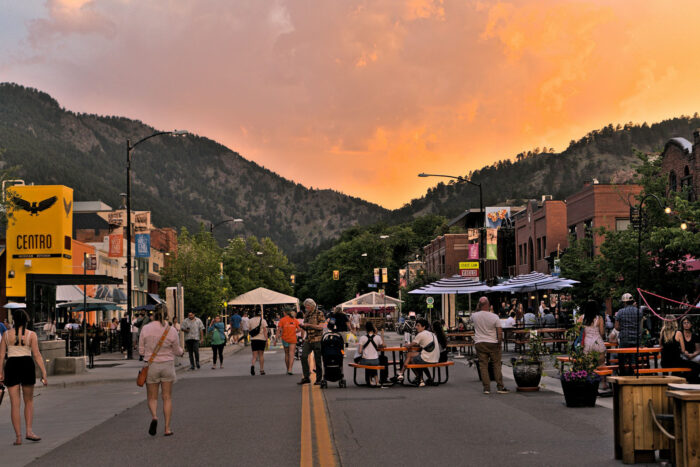
Photo by Deepak Adhikari
Colorado Feeds Curious Travellers Particularly Well
The food in Colorado rewards the same instinct that makes the landscape rewarding – the willingness to go further than the obvious, to take the road that connects smaller towns rather than the highway that connects cities, and to stop when something looks interesting rather than waiting for a recommendation. The state’s food culture is not finished developing, which makes this a good time to pay attention to it.
Travellers looking to combine food experiences with outdoor adventures can find inspiration through the Colorado tourism board, which highlights everything from scenic drives and mountain towns to wineries and culinary events across the state.