Choosing to use less refined sugar doesn’t mean banishing weekend baking or sacrificing your morning comfort drinks. Instead, it’s an invitation to get more intentional in the kitchen—learning to select the right natural alternative to complement your ingredients rather than mask them. In this guide, we’ll explore what natural sweeteners actually are, how the most popular options behave in action, and how to confidently stock your larder to elevate your everyday cooking and baking.
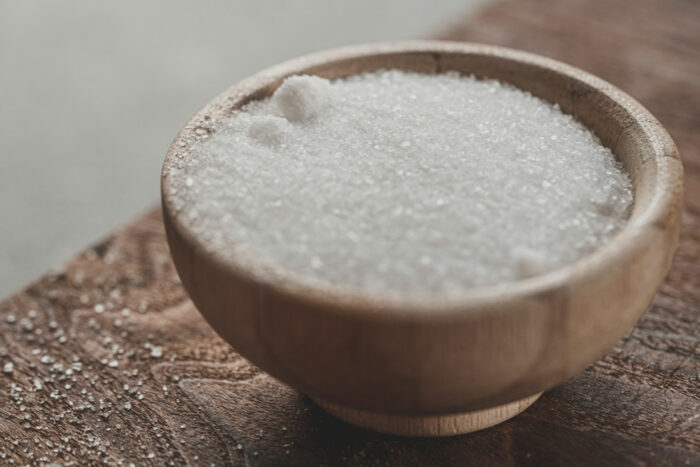
Photo by Faran Raufi
What Are Natural Sweeteners?
Natural sweeteners add sweetness and come from plants or other natural sources, often with less processing than regular white sugar. Natural does not automatically mean healthy in every situation, but it often points to fewer additives and a shorter ingredient list.
Sweeteners behave differently in baking, hot drinks, sauces, and no-bake recipes. If you plan on adapting your favourite treats, it is worth looking over BBC Good Food’s guide to sugar-free baking to see how texture and volume change with different alternatives. Writh some basic knowledge, you can easily reduce sugar without losing flavour.
The Kitchen Chemistry of Baking with Sugar Alternatives
It helps to understand that sugar does more than just make things sweet; it’s a structural workhorse in the kitchen. In baking, regular sugar locks in moisture to keep cakes soft, creates those irresistibly crisp edges on biscuits, and helps dough rise by trapping air during the creaming process. When you swap it out for a natural alternative, you aren’t just changing the flavour profile—you are altering the chemistry of the bake. Acknowledging this shifting balance is the secret to successfully transitioning to less refined options without ending up with flat biscuits or dense sponges.
Popular Types of Natural Sweeteners and Their Properties
Stevia
Stevia is extracted from the leaves of the stevia plant and is much sweeter than sugar, which means you usually only need a small amount. It works well in coffee, tea, yoghurt, and smoothies. It is also useful in chilled desserts, where browning is not needed. If you use too much, stevia can taste slightly bitter, so start with a small quantity.
Unrefined Cane Sugar
Cane sugar is still sugar, but it can add a deeper flavour and gives reliable results in baking. It is suitable when you want browning and the familiar texture that sugar gives to cakes and biscuits. If you are looking for healthier alternatives in baking, it is better to start with a partial replacement rather than switching completely all at once.
Honey and Liquid Sweeteners
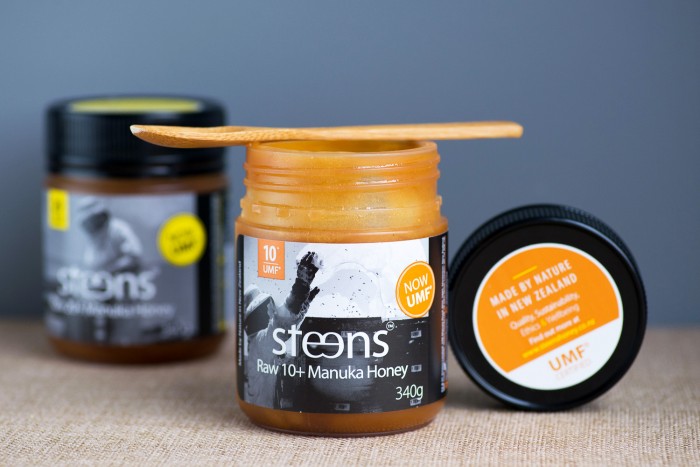
Honey is loved for its floral aroma and gentle sweetness. Liquid sweeteners dissolve quickly, making them ideal for dressings, marinades, warm drinks, and glazes. Because honey contains water, it can change the texture of baked goods. It often helps to slightly reduce the other liquids in the recipe—a technique that works beautifully in these soft, fluffy marunchinos honey almond biscuits which rely on a touch of honey for their delicate sweetness.
| Sweetener | Best Used For | Sweetness Intensity | Baking Behaviour |
|---|---|---|---|
| Stevia | Coffee, tea, smoothies, yogurt | Extremely high (use sparingly) | Does not brown or add volume |
| Cane Sugar | Cakes, crisp biscuits, browning | Standard base reference | Adds reliable structure & moisture |
| Honey | Dressings, warm drinks, glazes | Higher than white sugar | Adds liquid; requires reducing other fluids |
How to Choose the Right Sugar Substitute
Use this short checklist before replacing anything in a recipe.
- Do you need browning? For biscuits and anything that should become caramel-like, sugar or certain syrups work better than stevia.
- Is the recipe hot or cold? Liquid sweeteners mix easily into cold dishes, while granulated sweeteners often need warmth.
- Do you want a neutral flavour? If fruit, vanilla, or chocolate should be the main flavour, choose a mild sweetener.
- Are you reducing sugar or replacing it completely? A full replacement can affect volume and texture, so a partial replacement is often smarter.
If you enjoy experimenting, it is useful to build a small basic pantry with different natural sweeteners for various recipes and preferences.
Practical Tips for Everyday Use
- Start with a partial replacement and swap 25 to 50 percent of the sugar first.
- Balance sweetness with acidity, for example with a splash of lemon juice, or add a pinch of salt.
Creative Flavour Pairings to Try at Home
Once you have a few natural alternatives in your larder, the fun part is experimenting with how their distinct flavour profiles can actually elevate a recipe. For instance, the earthy, caramel undertones of maple syrup or coconut sugar do wonders when paired with warm spices like cinnamon and nutmeg in an autumn fruit crumble. Meanwhile, the delicate, floral notes of a raw local honey can beautifully brighten a citrus curd or a morning matcha latte. Treat these sweeteners not just as healthier substitutes, but as unique ingredients that bring their own depth and personality to the table.
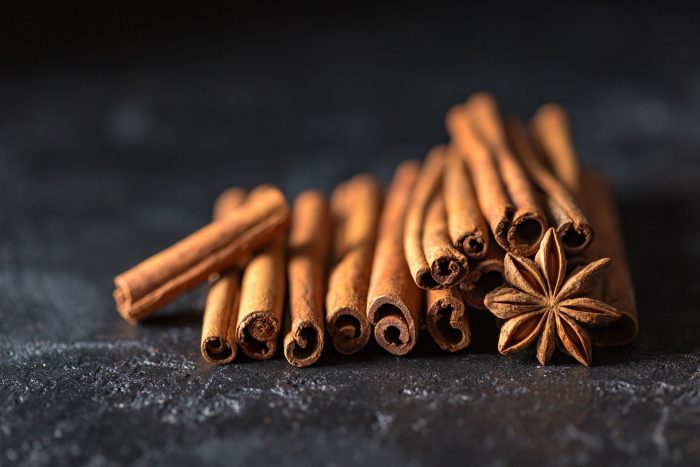
Image by Дарья Яковлева
Finding Your Sweet Spot
Natural sweeteners can make cooking more creative and more mindful. Choose based on what your recipe needs, adjust step by step, and discover which options best suit your everyday taste.
Remember that experimenting with new ingredients doesn’t have to feel daunting. Embracing a more mindful approach to food is all part of building confidence in the kitchen, so pairing these sweetener swaps with a few stress-free home cooking tips is a wonderful way to keep your time at the stove relaxing, intuitive, and ultimately delicious.