Costa Rica is made for adventurous travel. You can hike below a volcano, walk through cloud forest, swim beneath a waterfall, spot monkeys in the trees, and watch the sun set over the Pacific, all in one trip. What puts some people off is the thought of driving. Winding mountain roads, tropical downpours and navigating an unfamiliar country after an overnight flight are not everyone’s idea of a good holiday.
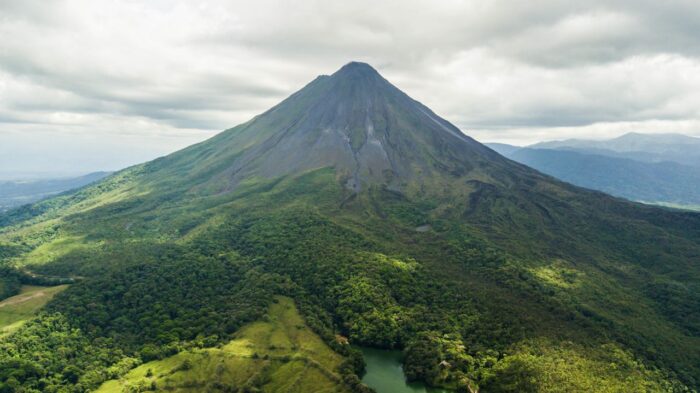
The Arenal Volcano in Costa Rica – Photo by Diego Madrigal
The good news is that you can build a genuinely adventurous Costa Rica itinerary without a car. It takes a little more planning, but a mix of airport transfers, shuttles, guided day trips and local taxis can get you to the country’s best outdoor experiences while allowing you to actually look out of the window on the way.
When to visit Costa Rica: dry season or green season
As a rule of thumb, the dry season, roughly December to April, is the easiest time for hiking and beach days. The green season, from May to November, brings lush forest, fewer crowds and rain that often arrives in the afternoon.
Start in San José, then head to La Fortuna and Arenal
For an itinerary focused on volcanoes, rainforest and cloud forest, fly into San José. Don’t feel pressure to race straight to La Fortuna after a long-haul flight. Spend the first night near the airport or in the Central Valley, have a proper meal, sleep, and start the trip feeling human. For your arrival, San Jose airport private transportation is a useful option if you are travelling with outdoor gear, arriving late, or sharing the vehicle with friends. Starting with a confirmed transfer means you can save your energy for the volcano trails rather than looking for transport with jet lag.
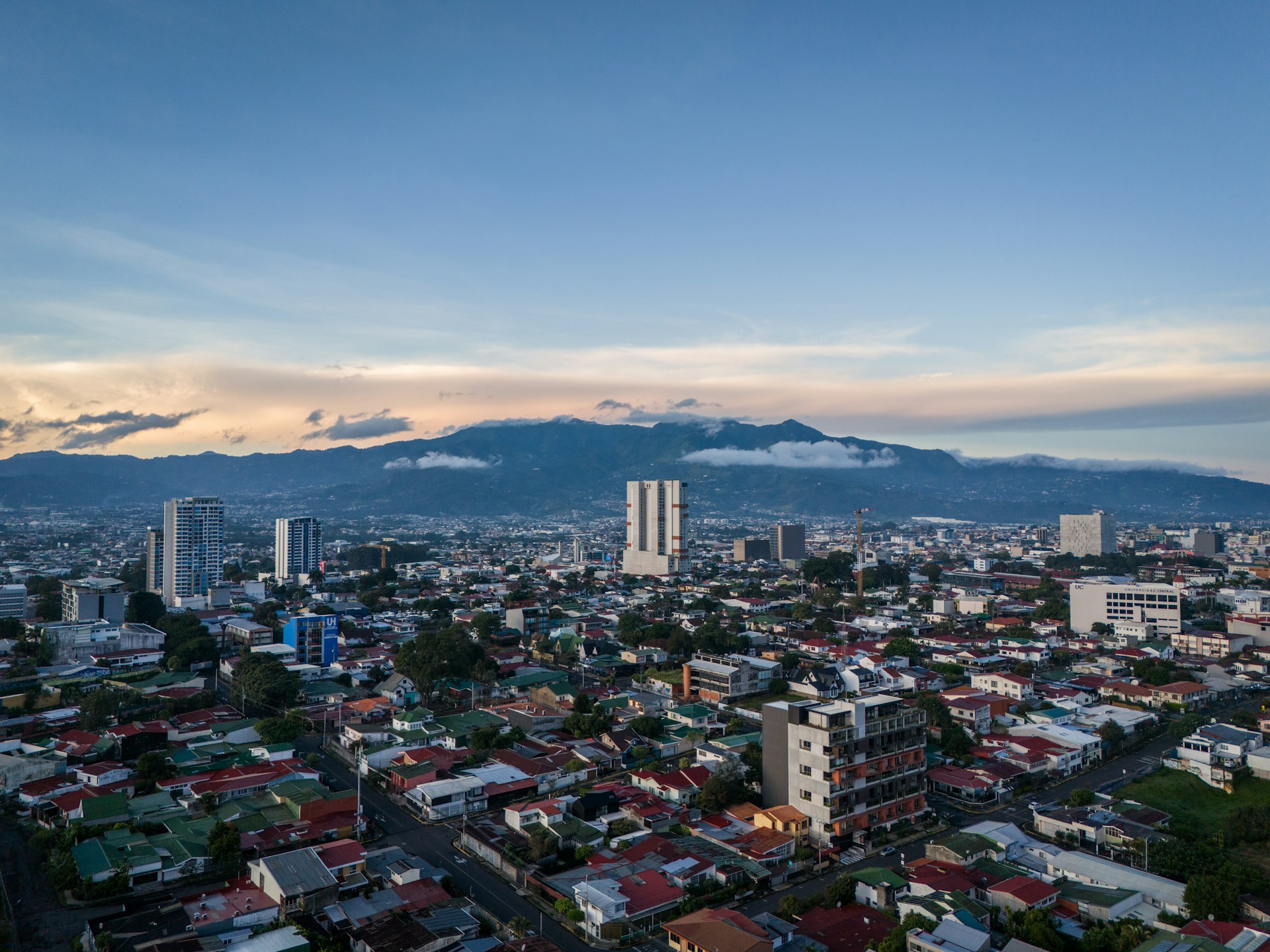
Photo by César Badilla Miranda
The next day, head north to La Fortuna, the town beneath Arenal Volcano. It’s a handy base without a rental car, because so many tours include hotel pick-up. You can book a day hike, a waterfall visit, a rafting trip, a hanging-bridge walk or a night wildlife tour.
Stay in La Fortuna for at least three nights. One full day can be active: hike in the morning and book hot springs in the evening. Another can be left deliberately flexible for a waterfall, a chocolate experience, or a guided river activity. Adventure travel is much better when you are not trying to cram three excursions into every day.
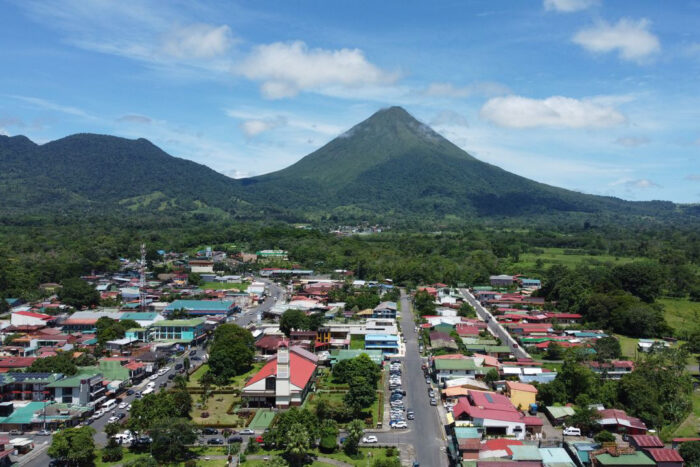
Photo by Pável Tuc
Monteverde: reaching the cloud forest without a car
Monteverde Cloud Forest Reserve is the natural next stop for hikers and wildlife lovers. Its misty forest, hanging bridges, birdlife and canopy activities make it feel different from La Fortuna, even though both are green and mountainous.
Getting from La Fortuna to Monteverde is part of the adventure, so treat it as a travel day rather than a gap between attractions. The best-known route is the jeep-boat-jeep transfer, which crosses Lake Arenal and spares you the long drive around it. If you’d rather stay on dry land, a shared shuttle or a private transfer by road does the same job, and the private option is worth it for groups or anyone carrying a lot of bags.
Keep a waterproof layer handy, as the evenings in Monteverde can feel cooler than at lower elevations. Book accommodation close enough to restaurants or arrange dinner before you arrive, then use the following morning for a guided cloud-forest walk.
This is also a good place to slow down. Do the walk early, when the forest is quieter, then leave the afternoon for coffee, a viewpoint or a gentle stroll. You don’t have to be zip-lining every hour to have an adventure-filled trip.
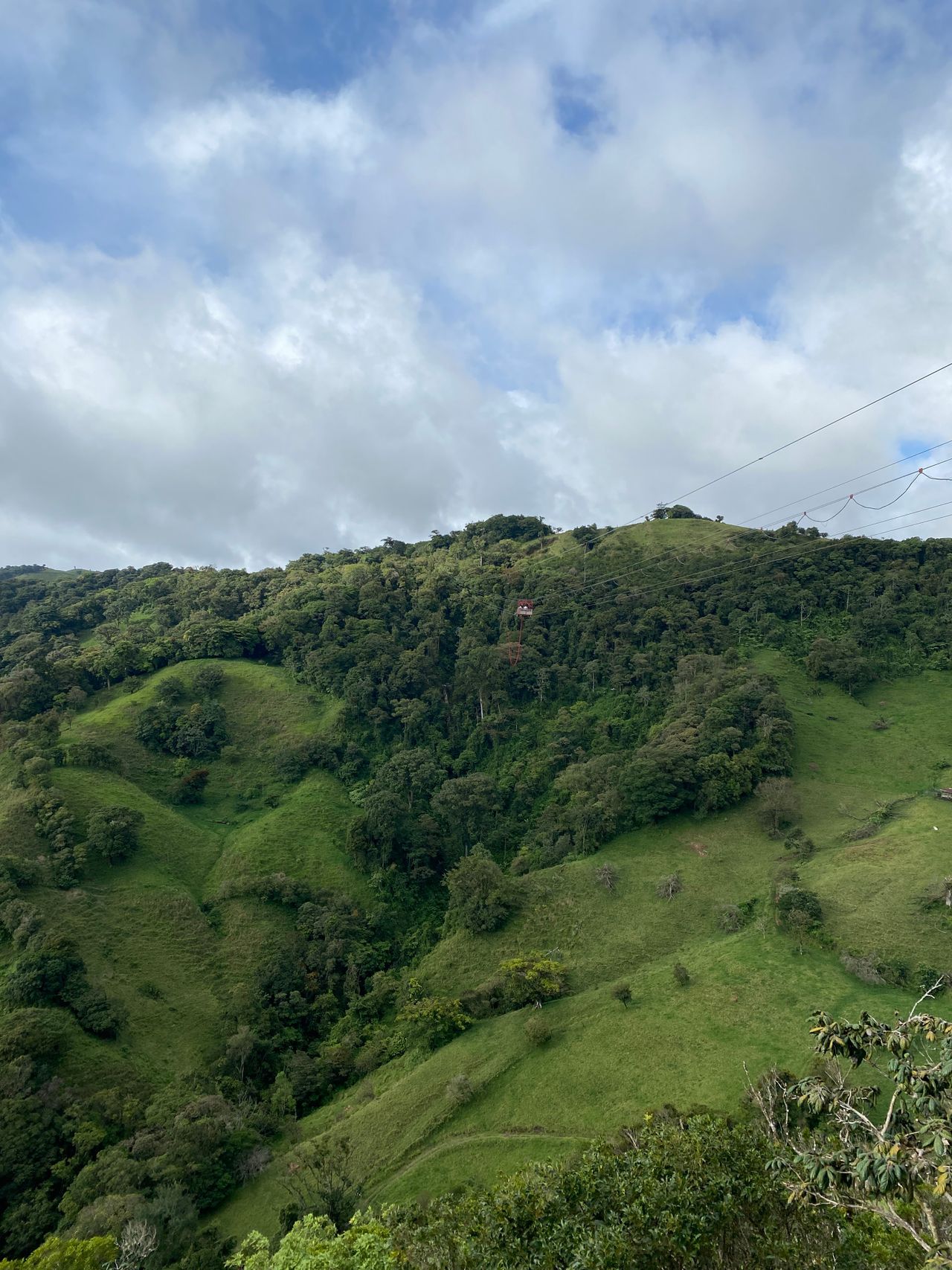
Photo by Laura Hilkovic
Guanacaste: finish on the Pacific coast
After the hills, a few days on the coast make a good change of pace. From Monteverde, a shared shuttle or private transfer takes you down to the Guanacaste coast. Book a day or two ahead in high season, then use local taxis for short hops from your base. Guanacaste is the obvious choice if you want beaches, surf, snorkelling, dry-forest trails and bright Pacific sunsets. The exact beach town depends on your travel style. Some places have a social surf scene and lots of cafés; others are better for quiet mornings, long beach walks and doing very little at all.
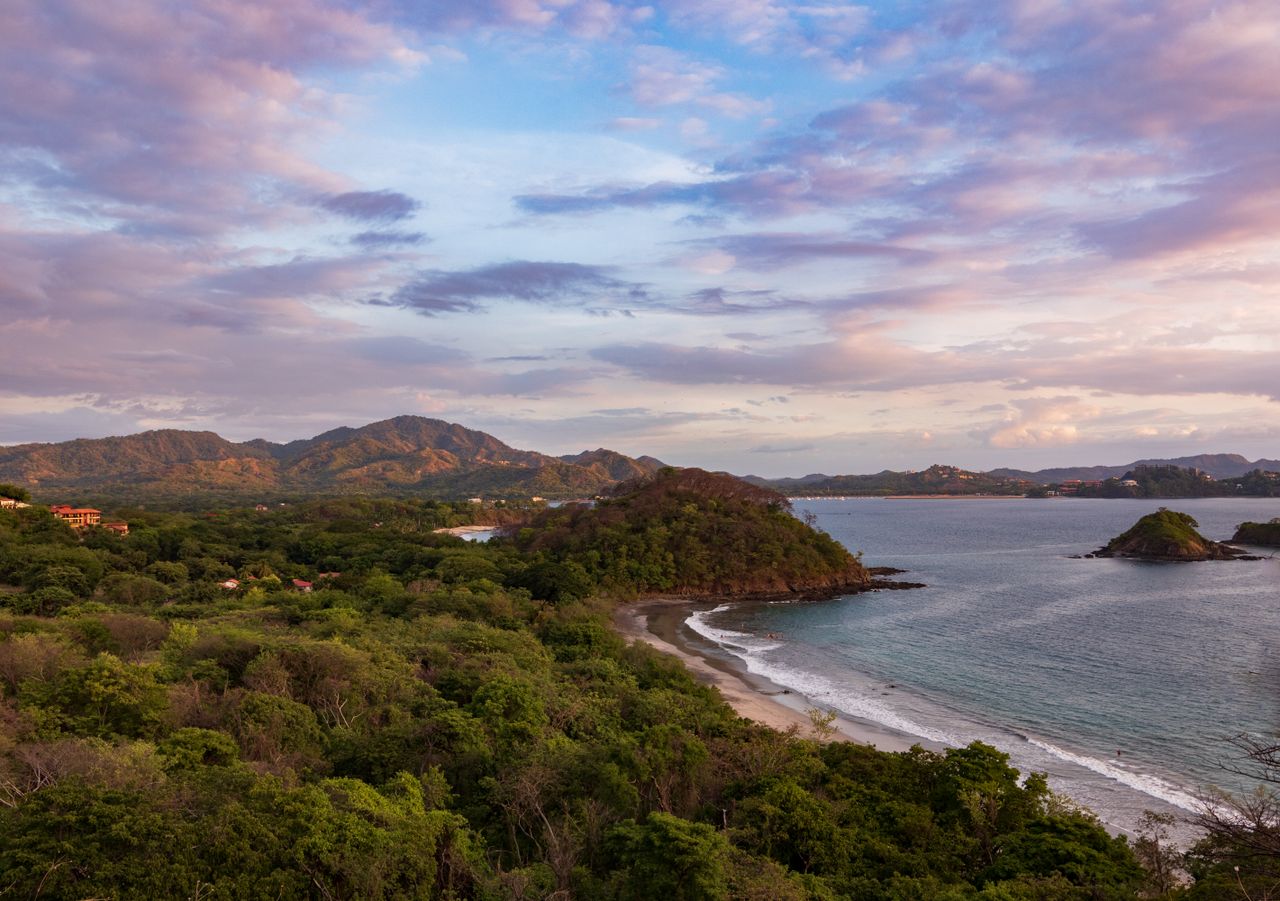
Photo by Jean Paul Montanaro
This is where a car-free itinerary can feel especially easy. Base yourself in one place, book a surf lesson or boat trip, and use local taxis or organised tours for anything further away. You can still find plenty of adventure without changing accommodation every night.
If you’re flying out of Liberia, arranging a private shuttle removes the uncertainty of the last day. It’s useful for early flights, properties outside town, or groups with bags full of wet swimsuits, hiking shoes and souvenirs. Give yourself more buffer time than you think you need; a final calm breakfast beats a frantic airport run every time.
How to pace your days: one big activity is enough
Costa Rica has no shortage of exciting things to do, which is exactly why it helps to be realistic. A volcano hike, canyoning, a night walk and hot springs may all look possible on a booking site, but they won’t all feel enjoyable if you are tired, hungry or travelling between towns. Try using a simple rhythm:
- One big activity a day: a volcano hike, a waterfall or a river trip, ideally in the morning.
- One flexible plan: a viewpoint, a beach or a long local lunch, depending on your energy.
- A buffer for the rest: time for transfers, sudden rain and a proper sit-down.
This is especially important in the green season. Morning activities are often the safest choice for hiking, while later hours can be perfect for hot springs, a cooking class, a massage or watching a tropical storm roll through the trees.
What to pack for Costa Rica without a car
When you are carrying your own luggage between shuttles and hotels, pack lighter than you think you need to. A soft-sided bag or backpack is easier to manage than a huge hard case. Bring quick-drying clothes, a rain jacket, sturdy sandals or hiking shoes, swimwear, sun protection, insect repellent and a small dry bag.
Keep a separate day bag with your passport, camera, water, snacks, charger and a light layer. That way you don’t have to unpack your main bag every time you change vehicles. It sounds simple, but it makes transfer days far less annoying.
A soft-sided bag or backpack is easier to manage than a huge hard case, and if you’re shopping for one, my tips to find the perfect backpack will help you choose well.
Costa Rica without a car: the freedom is in the pace
You don’t need a rental car to have freedom in Costa Rica. You need a route with enough time, a reliable way to move between bases, and the confidence to leave some plans open. The reward is a trip where the jungle, trails, waterfalls and beaches feel like the focus, not the drive to reach them.
One practical tip: book your transfers early in high season, especially for the airport days at either end.
If Costa Rica leaves you wanting more adventure, my guide to places to visit in Peru beyond Machu Picchu is a good next stop. And tell me in the comments which stop you’d pick first.