
When someone hears about Peru, the first place that comes to mind is often Machu Picchu. The ancient Inca citadel is undoubtedly one of the country’s most spectacular sights, but there is much more to discover beyond its famous ruins. Peru is a vast and remarkably diverse country, with dramatic mountains, jungle rivers, desert landscapes and ancient archaeological sites. Travelling beyond the main tourist routes offers the chance to experience a different side of the country, from Lima’s celebrated food scene and the floating islands of Lake Titicaca to Andean wildlife and the landscapes of the Peruvian coast.

Photo by Viajante Dibujero
Going beyond Peru’s most famous attractions can also make a trip more rewarding, particularly when you take time to support local communities and travel more thoughtfully. My guide to sustainable travel in Europe covers principles that can also be applied to long-distance travel.
Peru is also a fascinating destination for photographers, from the geometric patterns of the Maras salt ponds to the dramatic landscapes around Colca Canyon. If you’re planning to photograph your journey, my travel photography checklist covers the essential gear to take on the road.
1. Lima: Peru’s Culinary Capital
Lima is often treated as little more than a gateway to the rest of Peru, but it deserves time of its own. The city’s historic centre, with its colonial architecture and grand Plaza de Armas, is a UNESCO World Heritage Site, while neighbourhoods such as Miraflores and Barranco offer a more contemporary side of the capital.
For food lovers, Lima is particularly worth adding to the itinerary. The city’s cuisine reflects Indigenous, African, Chinese and other influences, with ceviche and tiradito among its best-known specialities.
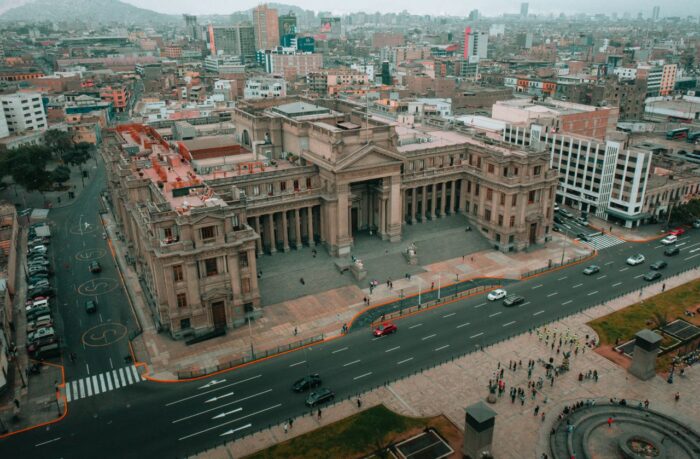
Photo by Lyon Peru
2. The Maras Salt Ponds and Moray Terraces
One of the most worthwhile places to visit after Machu Picchu is the Maras Salt Ponds and Moray Terraces. Those are situated just a quick drive from Cusco. Once there, you will find thousands of square pools that cover the side of a mountain. From above, they look like a pink and white staircase.
The local families have gathered salt from these mountains for a ton of years, and they still do that to this day in the exact same way they did it ages ago. You can watch them working there and even take some fresh pink salt with you.
Right down the road, you will find Moray, an Inca Ruin that looks like green, circular terraces of grass. Some historians think that the ancient civilization built the place as an outdoor lab for farming. They planted crops on different levels to test how things grew in different temperatures.
These two spots really show us just how smart the ancient people of the Andes were.
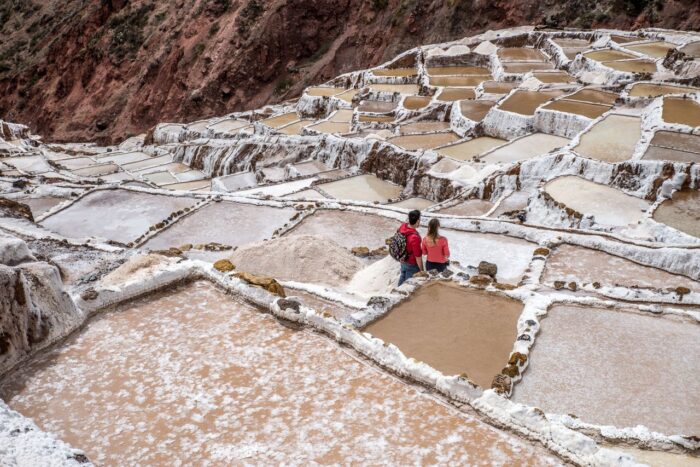
Photo by Mike van Schoonderwalt
3. Lake Titicaca and the Floating Islands of Uros
Iff you head to the south side of the country, near the Bolivian border, you will find Lake Titicaca, one of the world’s highest navigable lakes. The best part of visiting this lake is meeting the people who live directly on the water.
Instead of living on solid land, the Uros people build huge floating islands out of totora reeds, which is a plant that grows right in the shallow waters of the lake. They weave the reeds together to make the ground they use as floors, homes, and even fishing boats.
Stepping on one of these islands feels like a water bed or like a giant wet sponge. It’s an interesting way of living, and show how unique the culture is and how clever we can be when we adapt to a tough environment.
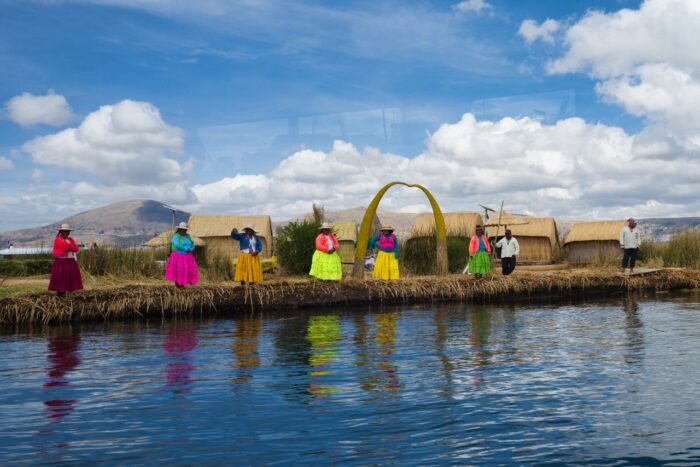
Photo by Fernando B M
4. The Soaring Condors of Colca Canyon
While the Grand Canyon usually gets all the hype worldwide, the Colca Canyon is actually twice as deep and striking. It’s located near the city of Arequipa, and its giant cliff, huge drops, and massive rock formation will make you feel small and surprised in a good way.
There you can find and learn more about the Andean condors; those giant birds completely steal the whole show. These are some of the largest flying birds on Earth, and its winds can stretch over ten feet wide. I highly recommend that you visit the Cruz del Cóndor viewpoint early in the morning; you can often see these birds soaring over the canyon in the wild.
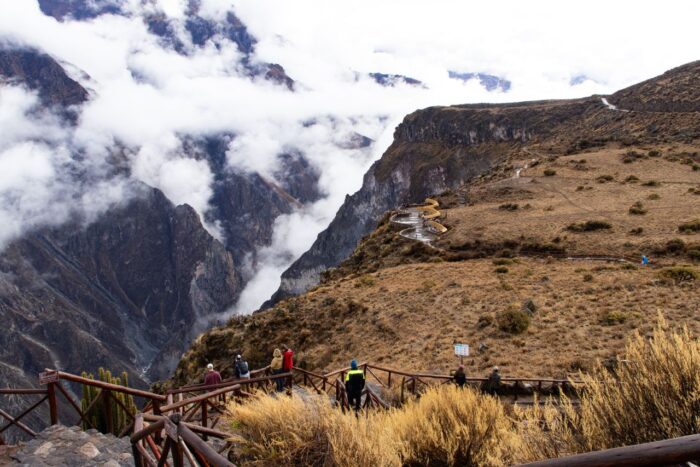
Photo by Ernesto Rosas
Recommended Travel Agencies for Your Peruvian Adventure
Peru is a rewarding destination for travellers who want to combine culture, nature and adventure, but a multi-region itinerary can involve quite a bit of planning. Travelling at a slower pace can make it easier to appreciate these differences rather than rushing between the country’s most famous sights.
Planning Your Peru Adventure:
Depending on your itinerary, you may need to arrange domestic flights, trains, accommodation, guides and transfers. Independent travellers can organise these elements themselves, while a reputable local tour operator can be useful for more complicated routes or hiking trips.
- GuruExplorer build custom trips based on exactly what you want to do. They match great outdoor experiences with really comfortable hotels. Their local guides know all the secret spots that the big tours miss.
- Alpaca Expeditions is a great option if you love hiking. They operate out of Cusco and are famous for their hiking guides and great food on the trail.
- Peru For Less focuses on private tours and higher-end travel, with boutique hotels and customised itineraries.
Conclusion
While Machu Picchu is stunning and definitely a must-visit, it’s only a small part of everything this country has to offer. From the salt pools of Maras and the Inca Ruins of Moray to the Uros people on Lake Titicaca, this country sure has something you will love exploring. You can hike near a huge canyon, spot condors, or explore floating islands and a lot more.
When you go away from the usual tourist spots, you find a quieter and much more real side of South America, especially in Peru.








[…] planning a journey across key places to explore in Peru, travelers experience two completely different culinary […]
[…] its ability to transform native biodiversity into world-class dining. Travelers exploring legendary places to visit in Peru quickly discover that the nation’s true essence is expressed through its diverse regional […]