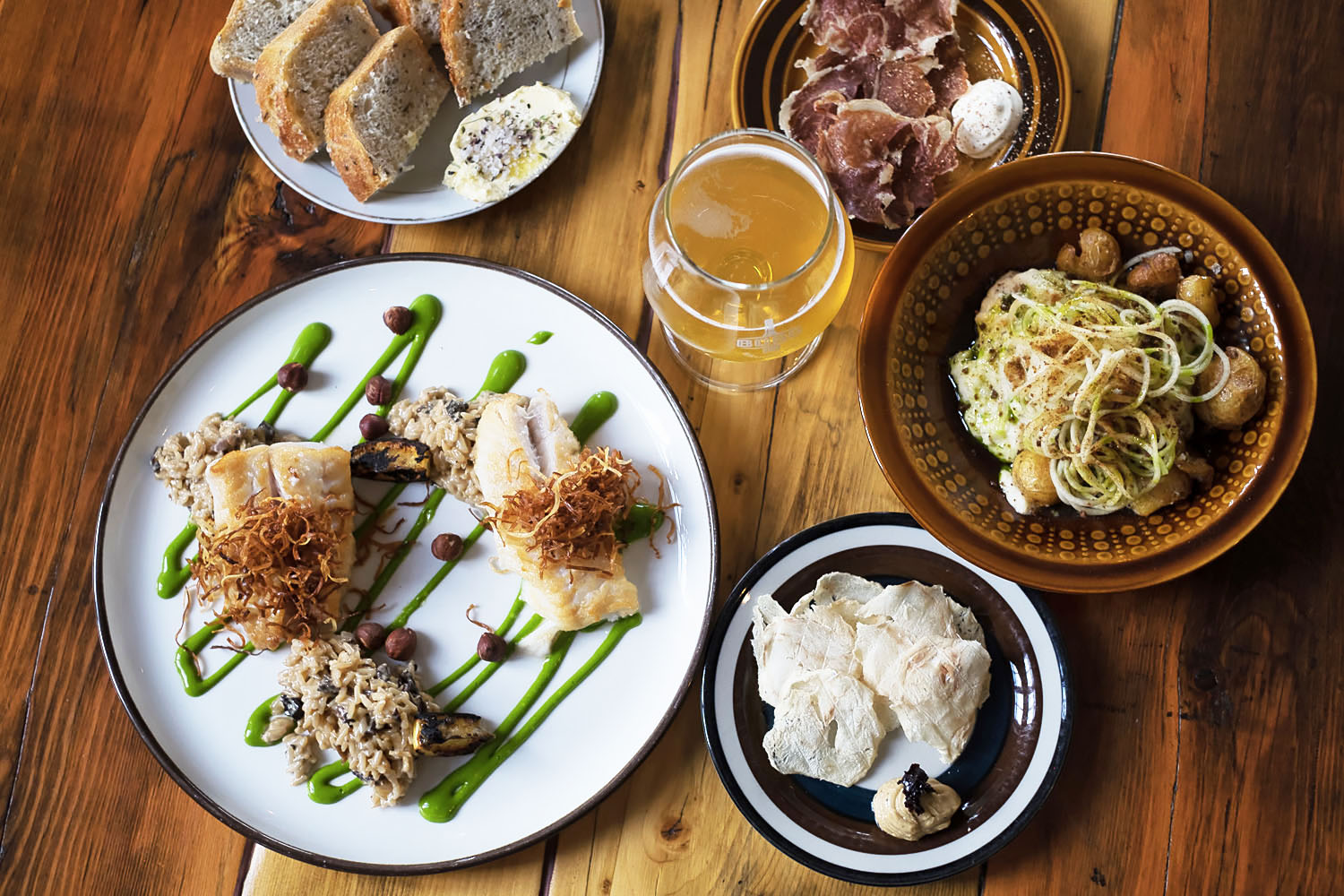
Being Italian doesn’t make me any less curious about Italy. If anything, it has made me more interested in exploring the parts of the country that aren’t necessarily on the standard tourist itinerary. I was born in Rome, but some of my favourite Italy holidays have taken me well beyond the city, from eating my way through Emilia-Romagna to discovering the wines, markets and small towns of regions I knew far less well.

Tagliatelle al ragù in Bologna
The thing that keeps shaping those trips is food. In Italy, it rarely feels like something you fit around the sightseeing; it is often the reason you choose a particular town, market or region in the first place. A few days in Rome for the produce markets and the kind of carbonara that makes you reconsider every version you’ve had elsewhere, then north to somewhere quieter, a hill town in Tuscany, a lakeside village, anywhere with a weekly market and a nonna who’s still making pasta by hand. That’s the version of Italy I actually enjoy travelling through: less about ticking off monuments and more about following what’s on the plate.
I’ve been asked more times than I can count what my favourite Italy holidays actually look like, and the honest answer is that they’re rarely built around a single city. They might start in Rome, continue through Bologna and Modena, take a detour into the Tuscan countryside and end with a few days by the coast. The itinerary changes, but the principle stays the same: leave enough time to eat properly, wander around and discover what makes each part of Italy different.
Rome: Beyond the Obvious
Everyone tells you to eat carbonara in Trastevere, and honestly, you should, but Rome is much more interesting when you let the food lead you away from the obvious tourist routes. Testaccio is one of my favourite neighbourhoods for this: the market, traditional trattorias and old-school Roman dishes make it a particularly good place to understand food culture in Italy without turning lunch into an itinerary item.
Roman cooking is famously simple, but that simplicity leaves very little room for mediocre ingredients or poor technique. Carbonara, cacio e pepe, amatriciana and gricia all rely on a handful of ingredients, while supplì, pizza al taglio and porchetta make perfect food for eating as you wander. The best meals don’t necessarily happen in the restaurants with the most attention online, either. Look for busy neighbourhood trattorias, markets and bakeries where people are eating what they would normally eat rather than what they think visitors want.

Bucatini all’amatriciana
Monti, Testaccio and parts of Trastevere are good places to explore on foot, particularly if you combine a market visit with lunch and an afternoon of wandering. For more ideas on where and what to eat, I’ve put together an eating in Rome guide covering some of my favourite restaurants, cafés and food experiences in the city.
Rome is also a useful starting point for a longer food-focused trip. Spend a few days eating your way through the city, then head into the surrounding Lazio countryside for a slower pace and a different side of the region. You don’t need to see every monument before moving on; in Rome, leaving time for another long lunch is often the better use of an afternoon.
Naples: A Detour for Pizza
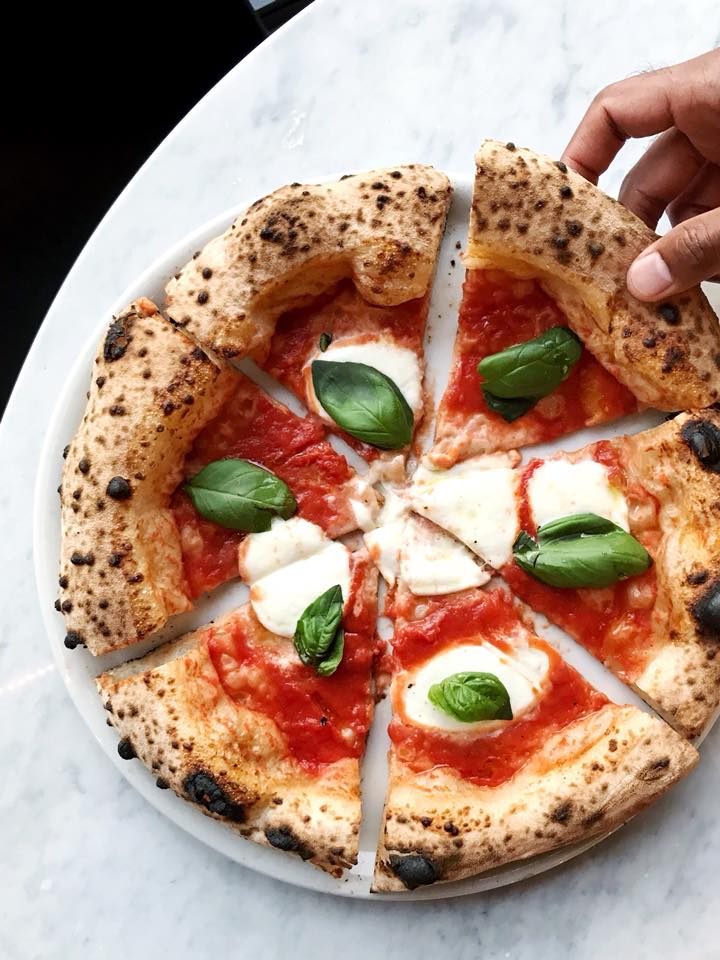
If you’re serious about Italian food, I’d also make room for Naples, even if it’s only for a couple of days. The city is the place to go for Neapolitan pizza, with its soft, blistered crust and simple toppings best enjoyed straight from a traditional pizzeria. The art of the Neapolitan pizzaiuolo was inscribed on UNESCO’s Representative List of Intangible Cultural Heritage in 2017, reflecting the craft and traditions behind the city’s pizza-making culture.
Florence: Art, Markets and Tuscan Food
Florence is almost impossible to discuss without mentioning its art, but for me the best way to experience the city is to let the food provide some structure. Start at a market, walk until you find a good-looking trattoria, and leave room for an afternoon spent doing very little. The city is compact enough to explore on foot, which makes it particularly easy to combine museums and galleries with long lunches and evening aperitivo.
Don’t overlook the food beyond the famous bistecca alla fiorentina. Tuscan cooking is built around excellent ingredients and a certain lack of fuss: ribollita, pappa al pomodoro, crostini and beans all make more sense when you eat them in the place they come from. And if you have a few extra days, Florence makes an excellent starting point for exploring the wider Tuscan countryside, including Chianti and the Val d’Orcia. I spent a week exploring the region, from the Colli Fiorentini and Chianti to San Gimignano and Monteriggioni, with food and local produce very much at the centre of the trip.
If you’re visiting for a short break, you can still fit a surprising amount into a couple of days without rushing from one attraction to another. My 48-hour guide to Florence covers how to combine the city’s food, art and neighbourhoods into a manageable weekend itinerary.
Emilia-Romagna: Italy’s Food Valley
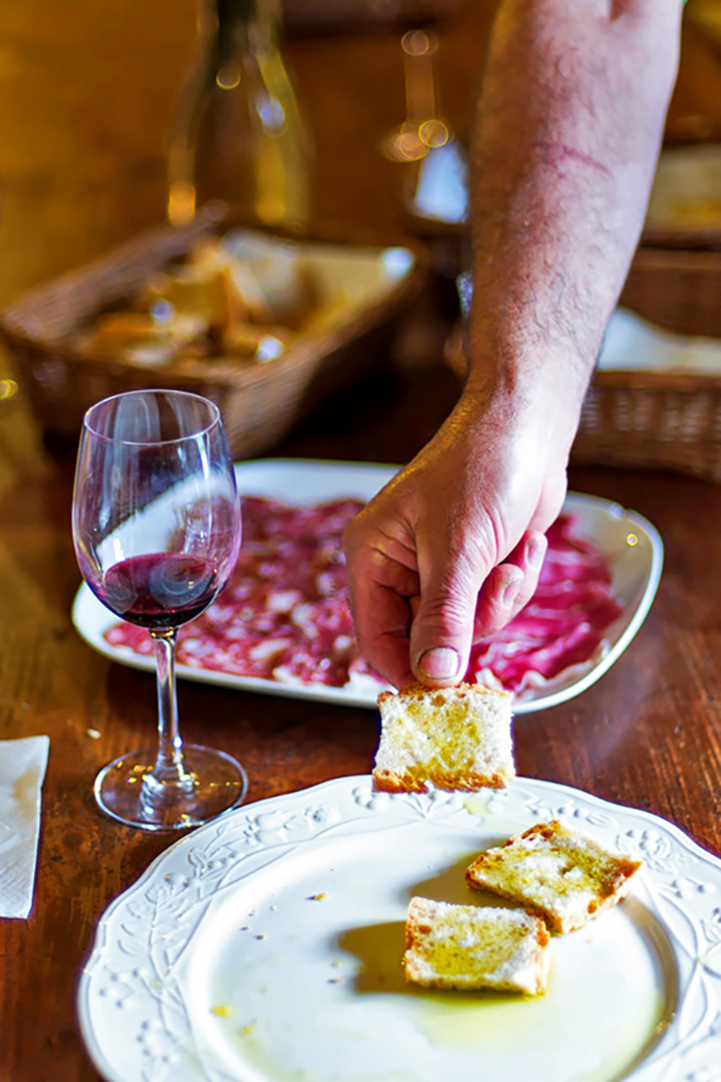
If there is one region in Italy that deserves to be planned around food, it is Emilia-Romagna. Bologna, Modena and Parma are names most food lovers will already recognise, but the region is much more interesting when you start looking at where its famous ingredients actually come from. This is the land of Parmigiano Reggiano, traditional balsamic vinegar, Parma ham, mortadella, tortellini and ragù, and visiting the producers gives you a completely different appreciation of ingredients that can otherwise seem quite ordinary on a supermarket shelf. Emilia-Romagna is often called Italy’s Food Valley, and it is easy to understand why once you start travelling through it.
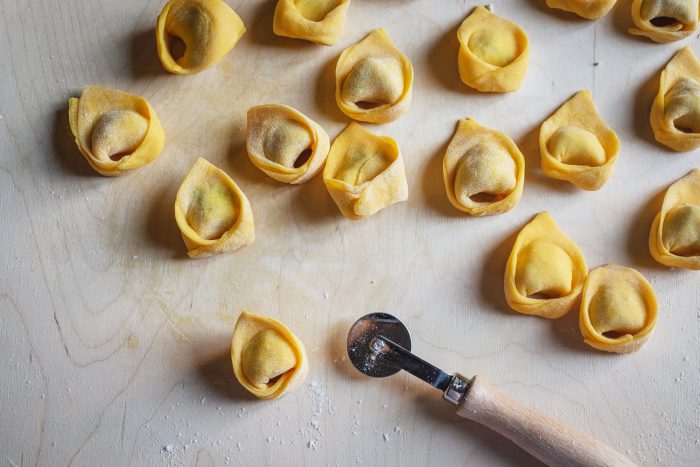
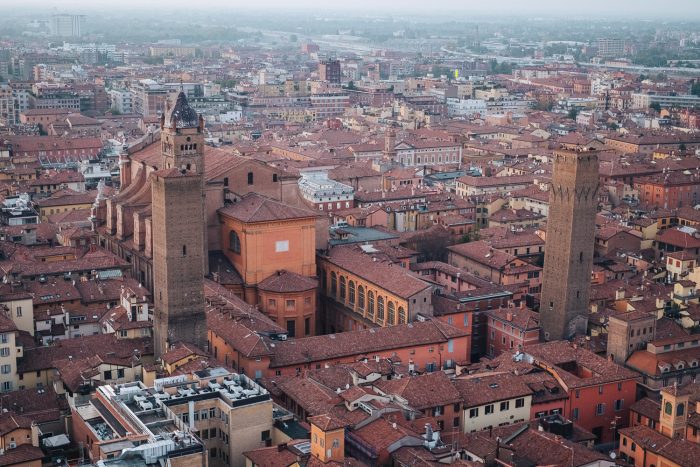
Bologna is the obvious place to begin. The historic centre is wonderfully suited to eating your way around, from the food shops and market stalls of the Quadrilatero to traditional trattorias serving tagliatelle al ragù and tortellini. Taking a pasta-making class is another good way to understand the local food culture; making tagliatelle or tortellini by hand is very different from simply ordering them in a restaurant. Bologna is also a city where you can happily alternate between eating and sightseeing, with its porticoes, medieval towers and lively piazzas providing plenty of reasons to walk off lunch.
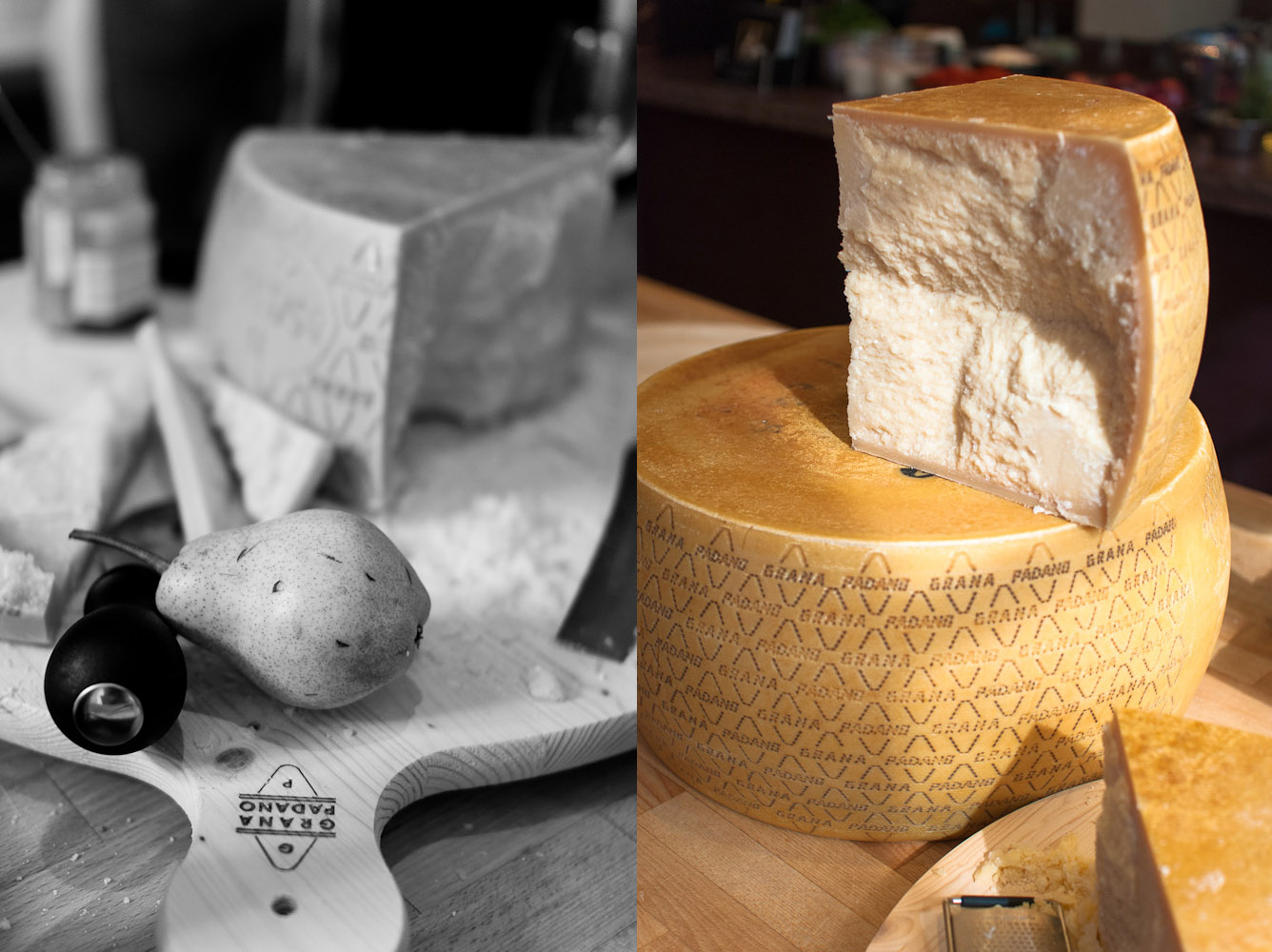
Modena offers a different kind of food experience. The city is associated with traditional balsamic vinegar, Parmigiano Reggiano and some of Italy’s most celebrated restaurants, but you don’t need to book a famous tasting menu to appreciate its culinary heritage. Visiting a traditional acetaia or a Parmigiano Reggiano dairy lets you see how much time, knowledge and craftsmanship goes into products that are often treated as everyday ingredients. My guide to the must-visit places in Emilia-Romagna covers Bologna, Modena and several of the region’s other cities, including where to eat and what local specialities to look out for.
And don’t stop at Bologna and Modena. Ferrara is an elegant, relatively compact city that is easy to explore on foot, while Ravenna is worth the journey for its extraordinary Byzantine mosaics as well as its local food. On the Adriatic coast, Rimini offers a completely different side of the region, with piadina and seafood alongside its historic centre and seaside atmosphere. Emilia-Romagna works particularly well as a slow food-focused road or train trip because each stop offers something different without requiring huge distances between them.
For me, that’s what makes the region so satisfying: you can spend a morning learning how Parmigiano or Grana Padano cheeses are made, have a plate of fresh pasta for lunch and finish the day with a glass of local wine, without ever feeling as though food has been added as an afterthought to the itinerary.
Turin: Chocolate, Vermouth and Piedmontese Cooking
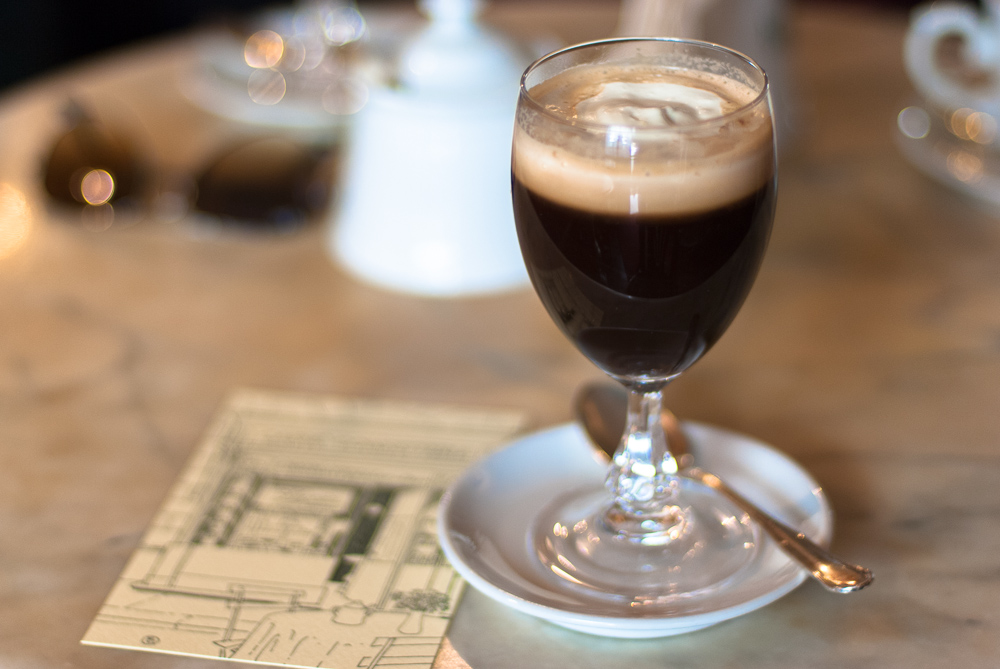
Turin is one of the Italian cities I would recommend to anyone who thinks they already know what Italian food is about. The city has a distinctly Piedmontese character, with rich dishes, excellent wines and a serious chocolate tradition. Gianduja was born here, and Turin’s historic cafés remain an important part of the city’s food culture. Don’t leave without trying a bicerin, the traditional Turin drink made with espresso, chocolate and milk, traditionally served in the city’s historic cafés. My weekend in Turin tips cover more of the city’s history, food and places worth exploring.
There is plenty to explore beyond sweets. The surrounding Langhe is home to Barolo and some of Italy’s most celebrated wine country, while Alba is famous for white truffles and hazelnuts. You can spend a morning exploring Turin’s grand squares and museums, then head out into the countryside for a completely different version of Piedmont. That combination of sophisticated city and serious food-producing landscape is what makes Turin particularly interesting for a longer trip.
Venice: Eat Your Way Around the Lagoon
Venice can be overwhelming if you approach it purely as a list of sights. I prefer to think of it as a city for eating your way through. The Venetian tradition of cicchetti makes this particularly easy: small plates, a glass of wine and a slow walk between bacari can make an afternoon feel far more interesting than following a rigid sightseeing itinerary.
Cicchetti are perfect for an informal Venetian aperitivo, whether you’re stopping for a plate of baccalà mantecato, a little sarde in saor or something as simple as a slice of bread with a local topping. Order a drink, try a few different things and move on to the next bacaro rather than sitting down for a long formal meal. My guide to where to stay and eat in Venice has more ideas for exploring the city’s food scene.
Look beyond the restaurants around St Mark’s Square and spend time in neighbourhoods such as Cannaregio, Dorsoduro and Castello. The lagoon also shapes what appears on the plate, with seafood and seasonal vegetables playing an important role in Venetian cooking. And if you have time, take a boat beyond the historic centre to explore the smaller islands. Venice rewards a slower pace, particularly once the day-trippers have left.
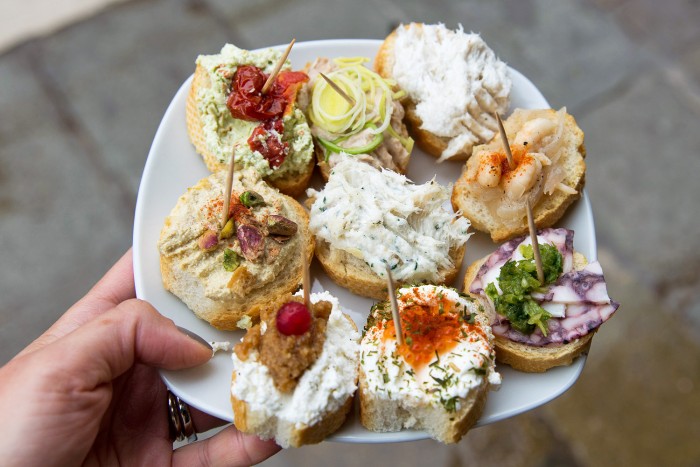
If you have another day, make the short journey to Treviso, a small city just north of Venice and the traditional home of tiramisu. The dessert was created in the city in the 1970s, and a visit makes a delicious addition to a Venice itinerary. You can also try my best-ever tiramisu recipe when you get home.
Puglia: Slow Days and Serious Food
Puglia is the kind of place where you can build an entire day around lunch and still feel as though you’re taking it easy. The food is simple but deeply tied to the landscape: orecchiette, burrata, tomatoes, olive oil, grilled fish and vegetables that actually taste of something. In Bari, I’d spend time around the old town watching women make orecchiette by hand, then eat it somewhere nearby rather than searching for a polished restaurant experience.
Away from the coast, the Valle d’Itria is where Puglia really starts to slow down. Ostuni, Cisternino and Locorotondo make good bases for exploring the countryside, while the trulli and dry-stone walls give the landscape a character you don’t find elsewhere in Italy. Puglia also works particularly well as a food-and-wine trip: the region’s olive oil, Primitivo and Negroamaro are as much a part of the experience as the restaurants themselves. If you have a week to explore, my one-week holiday in Puglia covers some of the places, food and landscapes that make the region worth taking slowly.
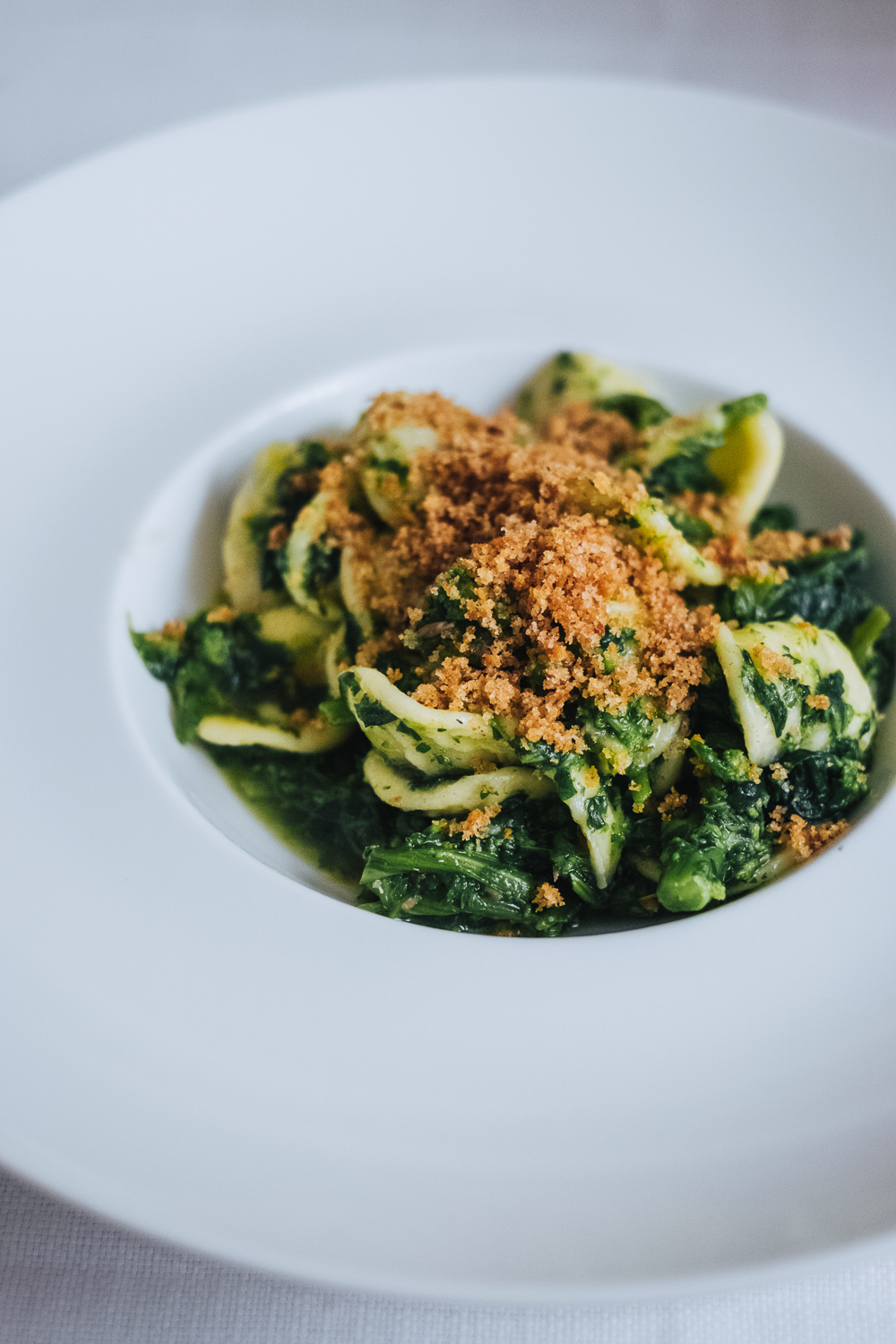
Orecchiette con cime di rapa is a traditional dish in Puglia
Sicily: An Island Built Around Food
Sicily deserves more than a quick stop on an itinerary. The island has its own rhythm, shaped by centuries of different cultures and a food tradition that reflects all of them. Palermo is the obvious place to start, particularly if you like street food: arancini, sfincione, panelle and cannoli with ricotta cream make a convincing argument for spending an afternoon simply eating your way around the markets.
But Sicily is much bigger than Palermo. On the eastern side of the island, Catania makes a good base for exploring Mount Etna, while Taormina combines dramatic coastal scenery with a distinctly elegant atmosphere. Further south, Ortigia is one of my favourite places to slow down, with its baroque streets, seafood restaurants and beautiful waterfront, while the towns of the Val di Noto offer some of Sicily’s most striking architecture. Around Etna, don’t miss Bronte and its famous pistachios, a PDO product grown in the volcanic landscape and used everywhere from pastries and gelato to savoury dishes.
You can also head west towards Trapani and Marsala, or combine the Baroque towns of the southeast with beaches, ancient Greek sites and the vineyards around Mount Etna. The food changes subtly as you travel too, from pasta alla Norma and seafood to couscous influenced by Sicily’s proximity to North Africa. I wrote more about the island’s food, wine, landscapes and history in my five reasons to visit Sicily.
For me, that’s the appeal of Sicily: you don’t have to choose between a food holiday, a beach trip and a cultural break. It can be all three, provided you leave enough time to actually enjoy each one.
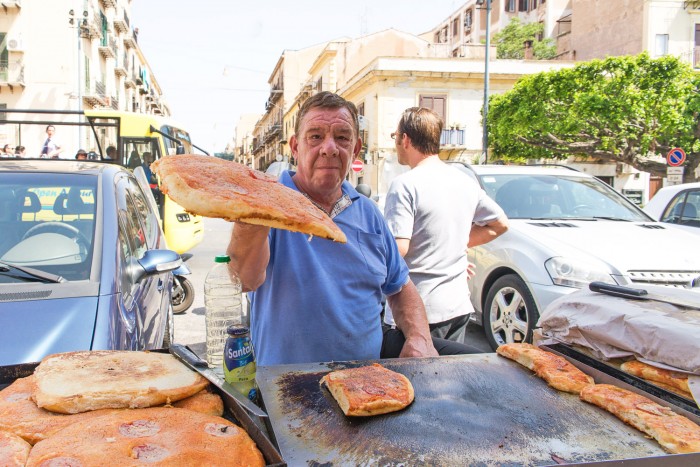
Sfincione is a thick, spongy, focaccia-like Sicilian street food pizza traditionally sold by vendors at historic markets like Ballarò Market in Palermo.
Bonus: Italy’s Best Wine Regions
Wine is another reason to travel around Italy, with each region offering its own combination of landscapes, food and local traditions. Tuscany is an obvious starting point, from Chianti and Brunello di Montalcino to the coastal wines of Bolgheri.
Piedmont is another essential stop, particularly the Langhe, where Barolo and Barbaresco vineyards sit among small villages and some of Italy’s best food. For something completely different, head to “le colline del Prosecco”, Prosecco hills, a UNESCO-listed landscape of steep vineyards and small villages. I spent some time in Valdobbiadene, home of Prosecco, exploring the area and its wine culture.
These are only a starting point. From Sicily and Etna to Alto Adige and Friuli, almost every part of Italy has its own wine culture. The real pleasure is choosing a region and staying long enough to understand it rather than trying to tick off every famous bottle in one trip.
A Final Thought on Travelling Around Italy
Being Italian doesn’t make me any less curious about Italy. I was born in Rome, but some of my favourite trips have taken me well beyond the city, following food, wine and local traditions into regions I knew less well. That’s still my favourite way to travel around Italy: choose a place, eat what is local, stay long enough to get a feel for it and leave some room for the unexpected.