
Seasonal harvests are basically nature’s schedule for when ingredients taste their best. When you embrace seasonal produce, you are working with food that is more likely to be picked at the right time, moved faster, and handled less. That simple shift shows up on the plate. You get brighter aromas, cleaner sweetness, and textures that feel more alive, even with basic recipes and everyday tools.
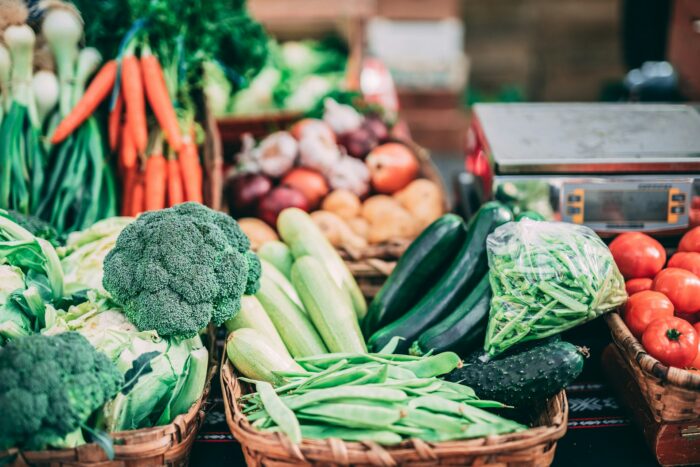
Photo by Iñigo De la Maza
Seasonal Harvests Hit The Flavour Sweet Spot
Every crop has a short window where its flavour is fully developed. In that window, tomatoes taste more like tomatoes, greens smell more like greens, and herbs give off stronger oils when you chop them.
A food site recently noted that seasonal produce is typically fresher and more flavourful because it is harvested at peak ripeness.
That peak matters because flavour is not just “in” the food – it is built as sugars, acids, and aromatic compounds settle into balance. When you buy ingredients that are in season, your seasoning job gets easier.
Seasonal Ingredients Shine In Simple, Honest Dishes
Seasonal ingredients hold up in recipes that do not hide them. A quick sauté, a sheet-pan roast, or a simple salad works because the flavour is already there, so you are not trying to fix something flat.
You start to notice how little manipulation is needed when ingredients are harvested at the right moment, because their natural balance carries the dish on its own. This is where finishing touches matter, because a small addition can change the whole bite. Oils, such as those found at https://frantoiogrove.com/products/frantoio-grove-olio-nuovo, or similar platforms, are one example of something fresh you can spoon over warm vegetables, along with a squeeze of lemon or a handful of herbs. When the base ingredient is at its best, those small accents land louder and feel more specific.
The result is food that tastes clearer, not complicated. You can point to what you are tasting, and it feels connected to the season instead of a generic “flavour profile.”

Photo by Dương Nhân: https://www.pexels.com/photo/photo-of-person-holding-cherry-tomato-2817549/
Fresh Kitchen Flavours Start With Better Ingredient Rhythm
Cooking feels smoother when ingredients follow a predictable rhythm. Citrus shows up when you want acidity and brightness, squash arrives when you want sweetness and body, and tender greens appear when your meals naturally get lighter.
That rhythm helps you avoid “one-note” cooking. If you always force the same produce year-round, it is easy to default to the same spice mixes and the same cooking methods just to make things interesting.
Seasonal planning does not have to be strict to be useful. Even swapping 2 or 3 items per week based on what looks best can change the overall flavour of your meals.
Seasonal Eating Supports A More Balanced Plate
Seasonal harvests can nudge you toward a more varied, produce-forward plate. When fruits and vegetables rotate naturally, it becomes easier to build meals around them instead of treating them like side characters.
A nutrition article from UNC Health noted that eating with the seasons means choosing foods harvested at their peak. Peak harvest is not only about taste, because it often lines up with how people naturally want to eat as the weather changes.
This is not about perfection or rules. It is about making the default choice the one that tends to taste better, which makes it easier to keep that habit.
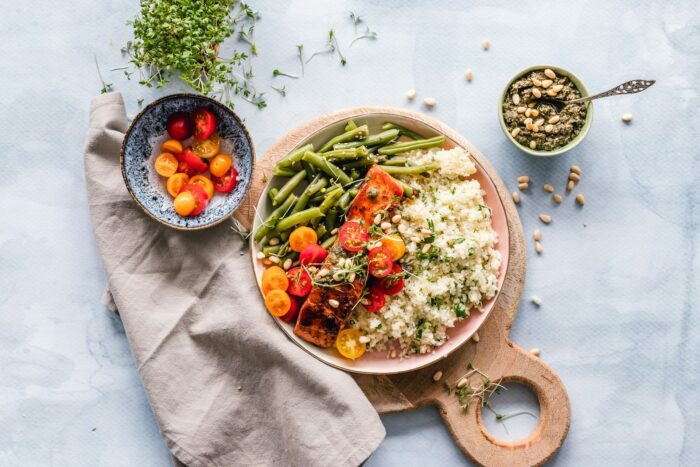
Photo by Ella Olsson on Unsplash
Seasonal Variety Makes It Easier To Meet Produce Goals
A common problem with “eat more plants” advice is that it can feel vague. Seasonal shopping makes it more concrete because each season hands you a shortlist of what to focus on right now.
The American Heart Association has highlighted that federal dietary guidelines recommend adults eat about 1.5 to 2 cups of fruit per day and 3 to 4 cups of vegetables. Rotating what you buy with the seasons helps you reach those amounts without getting bored, since the flavours and textures change before you feel stuck.
It encourages mixing raw and cooked options. Summer fruit is easy to snack on, while winter vegetables often become soups, roasts, and braises that fit the weather and still feel satisfying.

Photo by Karolina Grabowska
Practical Shopping Keeps Seasonal Flavour From Fading
Seasonal flavour is strongest when you protect it after you bring it home. That means choosing items that smell like themselves, storing them in a way that fits their needs, and using them in an order that makes sense.
Start with a simple “use-first” plan. Eat the fragile things early, like berries, tender greens, and fresh herbs, then move to sturdier items, like squash, sweet potatoes, carrots, and cabbage, that can handle a few more days.
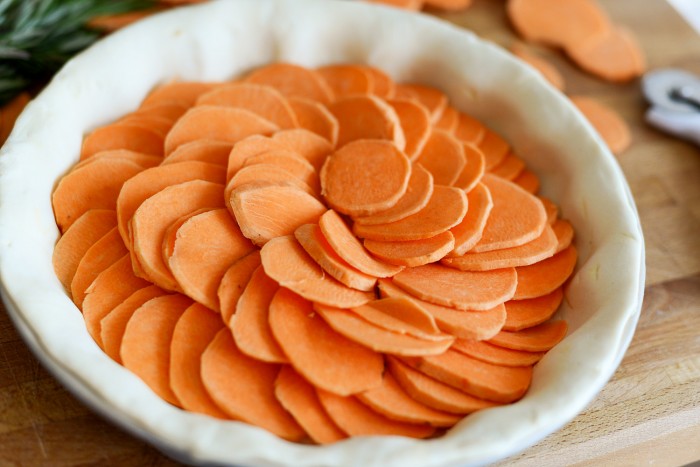
Match cooking methods to the ingredient natural strengths. Roast what is sweet, sauté what is delicate, and keep the best-tasting items in dishes where they stay front and centre.
Seasonal harvests are useful because they reduce friction in the kitchen. When ingredients are naturally flavourful, you can cook with fewer steps and still end up with meals that taste specific, fresh, and satisfying.
That adds up to a cooking style that feels more confident. You learn what “good” looks like in each season, and your food starts to reflect the calendar in a way that your senses can actually notice.









[…] also highlight provenance and seasonality, reflecting the growing interest in cooking with seasonal harvests and high-quality […]
[…] Michelin has described Green Star holders as being “at the top of their game” on sustainability. That echoes the local, ingredient-led philosophy behind cooking with seasonal harvests. […]