Eating outside under an open sky brings a unique joy to any meal. Backyard spaces frequently turn into the primary spot for family gatherings and weekend dinners. Crafting the perfect spot requires careful thought about layout, comfort, and utility. A great setup blends functionality with style, creating an inviting area for guests. Moving your dining room outside changes how you experience your home. You can turn an ordinary backyard into a functional extension of your living room. This transformation provides a refreshing escape for morning coffee or late-night gatherings.
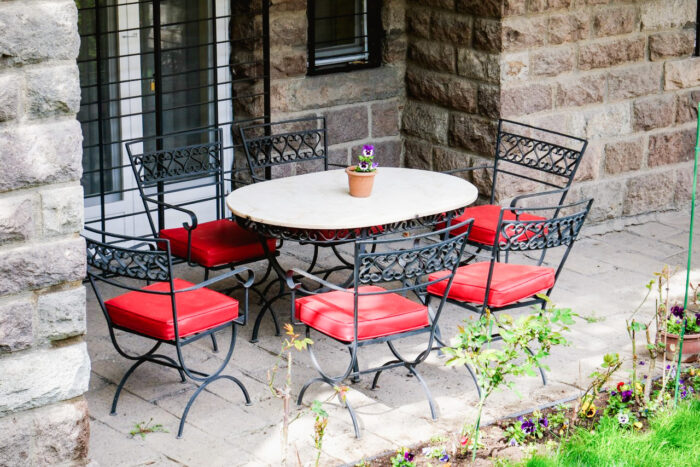
Photo by Emre Gokceoglu
Mapping the Layout
Getting started requires a clear vision of your backyard’s potential. Homeowners often choose to upgrade your outdoor living space by focusing on traffic flow between the indoor kitchen and the patio. Placing the table too far away makes serving food difficult. Keep pathways clear so guests move freely without bumping into chairs.
Consider how people will walk past the seating zone when the chairs are occupied. Leave at least 3 feet of clearance behind the table for comfortable movement. Proper spacing prevents a cramped feeling during busy gatherings. You should map these paths out on paper before purchasing any permanent fixtures.
The Heart of Cooking
An outdoor kitchen serves as the central hub for modern backyard dining designs. An industry publication recently highlighted that outdoor kitchens stand firm in 2026 as the core of backyard dining experiences. Grilling outside keeps heat out of the house during the summer months.
It changes how you entertain guests by keeping everyone in one central location. Preparing meals under the sun makes cooking feel less like a chore.
Incorporating Modern Appliances
Modern setups go far beyond a simple charcoal grill on wheels. Full cooking stations, integrated pizza ovens, sinks, outdoor refrigerators, custom bars, and weather-resistant storage cabinets are now standard elements of a premium backyard setup. Just like planning the layout inside your home, applying smart kitchen renovation ideas focused on functional design ensures that everything is placed within arm’s reach. These additions drastically reduce trips back and forth to the indoor house, letting the host cook comfortably while remaining a central part of the conversation. Investing in dedicated utility lines like gas and water adds seamless, long-term convenience to your outdoor cooking zone.
Selecting Durable Materials
Choosing the right building components makes a massive difference in how your patio ages, and anchoring the space with a premium natural stone foundation—such as granite or slate—ensures a surface that resists heavy foot traffic and weathering. This commitment to durability extends right down to the furnishings you place on top of it.
The best structural materials for outdoor furniture include aluminum, teakwood, and synthetic wicker since they withstand sun, wind, rain, and snow. Furthermore, according to the American Society of Landscape Architects (ASLA), specifying commercial-grade, UV-stabilized textiles ensures your performance fabrics protect cushions from fading under intense sunlight.
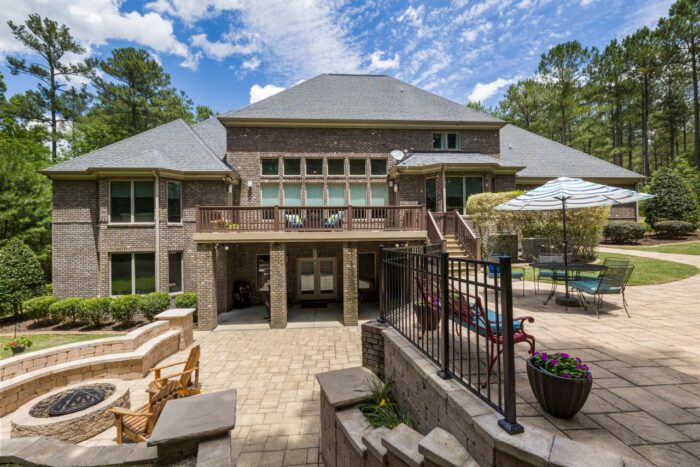
Photo by Curtis Adams
Furnishing for the Elements
Furniture needs to withstand shifting weather conditions year-round. An interior design blog noted that the best structural materials for outdoor furniture include aluminum, teakwood, and synthetic wicker since they withstand sun, wind, rain, and snow. High-quality fabrics protect cushions from fading under intense sunlight. Choosing heavy frames prevents high winds from blowing chairs across the yard.
Defining the Dining Area
Open backyards can feel unstructured without proper architectural boundaries. A patio resource suggested that using a pergola in your yard defines a specific dining area, though it still keeps you under the open sky. This structure offers a sense of intimacy without blocking fresh air. You can add climbing plants or string lights to the beams for extra charm.
Overhead structures give you a place to mount small fans for warm summer days. This simple addition keeps air moving and insects away from the table. Proper coverage makes the space feel like a true outdoor room. It establishes a clear visual boundary that separates the eating zone from the rest of the green yard.
Extending the Season
Enjoying your patio should not stop when the summer months fade away. A trend report observed that patios working across multiple seasons are gaining popularity in 2026. Simple adjustments allow you to use the area during cooler autumn evenings. This approach guarantees your financial investment pays off throughout the entire year. Planning for temperature shifts maximizes your enjoyment.
Staying Warm Outdoors
Adding a reliable heat source keeps the space usable during chilly weeks. A design partnership article recommended investing in infrared heaters to warm the entire table area effectively. This technology heats objects directly rather than warming the blowing air. Fire pits serve as an excellent focal point for gathering after dessert. They offer a cozy spot where guests can roast marshmallows and chat late into the night.
Guidelines for Design Success
Building a great patio requires sticking to strict design parameters to prevent common mistakes. Checking reliable blueprints and structural layout plans guarantees long-term success before building. Missing a key step can lead to costly repairs down the road.
- Select comfortable seating that supports long conversations around the table.
- .Position your fixtures carefully by using a strategic landscape garden lighting design guide to illuminate walkways safely without creating a harsh glare across the seating area
- Include storage solutions to protect dining accessories from unexpected rain showers.
- hoose a level surface to prevent tables and chairs from wobbling during meals.
A well-planned backyard dining area provides a perfect escape from daily routines. Combining smart layouts with durable materials yields a space that stands the test of time. Your family will enjoy countless meals in the fresh air for years to come. Taking the time to plan every detail guarantees your new setup meets every expectation.