The Organized Traveller: Smart Strategies for Neurodivergent Travel
New destinations bring excitement and unexpected changes. Travelling with a neurodivergent brain requires clear systems to keep trips smooth. Daily schedules often fall apart without a proper plan. Simple adjustments turn chaotic travel into a manageable adventure. Preparing ahead helps clear the mind before boarding your flight. Proper tools reduce stress before you leave your house.
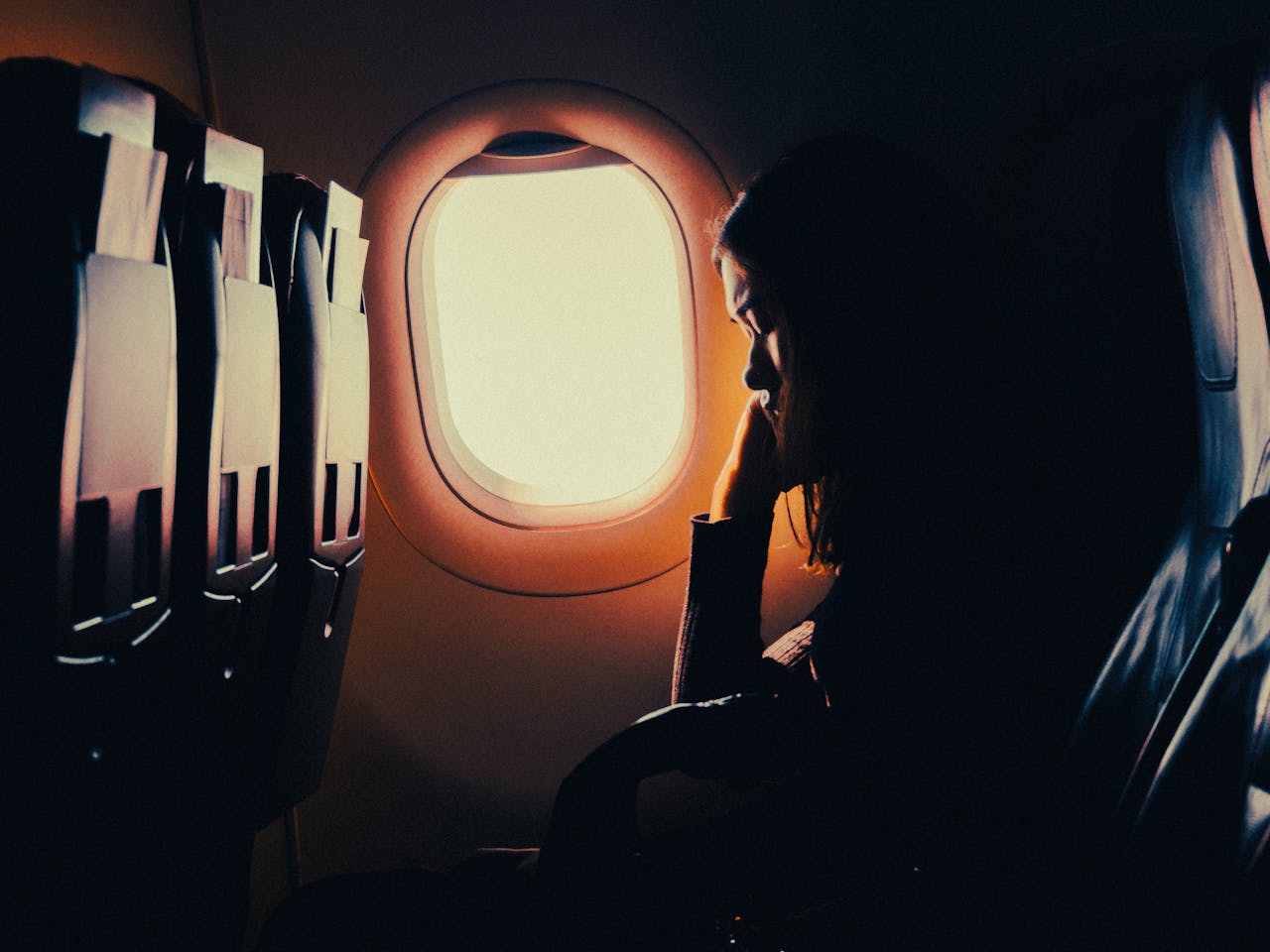
Photo by George Zografidis
Planning Travel Details in Advance
Booking flights early prevents last-minute panic. Early selection allows you to choose quiet seats near the front of the aircraft. This small choice lowers sensory input during boarding.
Keep digital copies of all travel confirmations on your phone. Digital records prevent the loss of paper tickets in busy terminals. A single digital folder keeps everything organized in one secure location. Set multiple alarms for departure days. Timers keep you moving when time blindness becomes a challenge. You will arrive at the gate with plenty of time to spare.
Choosing a Stress-Free Holiday Option
For many travellers, reducing the number of decisions to make can help create a calmer and more enjoyable experience. Choosing the right accommodation and holiday style can make a big difference, and all inclusive holidays can be a helpful option for those who prefer having essentials such as meals, accommodation and activities organised ahead of time. This can leave more energy to focus on enjoying the destination at your own pace.
Managing Your Routine on the Road
Maintaining daily habits keeps your focus steady during long trips. Exploring your options for Vitamins and supplements for ADHD supports focus when your regular schedule changes. Packing these items in labeled containers prevents missed doses. Regular timing helps maintain balanced energy throughout the day.
Set daily reminders on your mobile phone to maintain your health schedule. Travel disruptions easily throw off morning patterns. Consistency protects your energy levels throughout the journey.
Keep water nearby when taking your daily nutrition items. Hydration plays a major role in brain function during flights. Proper fluid intake helps reduce jet lag symptoms later.

Photo by Ketut Subiyanto
Exploring Dietary Support and Research
Nutritional choices impact daily focus and emotional balance during stressful transit. A clinical study showed that 54% of youth taking daily multinutrients responded well to treatment. This success highlights the potential value of keeping up with nutrients during trips away from home. Consistent nutrition offers a steady foundation when facing unexpected delays.
In addition to keeping your mind sharp, paying attention to what and when you eat helps keep your body’s metabolism grounded; learning how to effectively manage your weight on the go while travelling can prevent the sluggishness and digestive fatigue that often accompany fast-paced itineraries.
Pack your supplements in a clear organizer inside your carry-on bag. Having them accessible means you can maintain your routine during long layovers. It prevents the stress of hunting through checked luggage.
Discuss your travel supplement strategy with a medical professional before departure. Experts provide guidance on proper dosing across different time zones. Their advice keeps your body balanced during long transit periods.
Understanding the Role of Polyphenols
Dietary compounds offer protection against the stress of heavy travel schedules. Research indicates that specific polyphenols help manage neuroinflammation and oxidative stress tied to mental health disorders. Selecting foods rich in these compounds supports your brain health on long trips. Nourishing your body helps you handle hectic transit environments.
Berries and green tea provide excellent natural sources of these helpful molecules. You can find these snacks at most airport convenience stores. They offer a healthier alternative to sugary, terminal fast food.
Plan your meals instead of relying on standard airport options. Packing nutrient-dense snacks keeps your energy steady and prevents mood drops. Small dietary choices make a big difference when facing flight delays.
Creating a Calm Transit Environment
Sensory overload often triggers anxiety in crowded airport spaces. Noise-canceling headphones shield your ears from loud terminal announcements. Soft music helps maintain a sense of calm during boarding delays. Blocking out the noise allows your mind to rest in frantic spaces.
Pack a dedicated comfort kit inside your smaller personal item. Include these simple items to lower sensory stress:
- Noise-blocking earplugs block intense sounds.
- A contoured eye mask shades out bright overhead lights.
- Comforting textures provide a grounding physical sensation.
Find quiet corners near unused gates to rest before departure. Stepping away from the main corridors gives your brain a necessary break. This downtime prepares you for the long flight ahead.

Photo by Erik Odiin
Smart Packing Strategies to Reduce Friction
Overpacking creates unnecessary confusion when searching for items later. Grouping similar objects together simplifies your daily search routine. You will save time when unpacking at your hotel destination. An organized bag means less time spent rummaging for necessities.
Colour-coded packing cubes separate clothing items by category. Use one color for shirts and another colour for undergarments – this simple visual system speeds up your morning routine significantly. If you are preparing for an extended journey across multiple time zones, combining this visual layout with these packing tips for long international trips will ensure your bag remains completely functional throughout your entire transit.
Place your most critical items at the top of your bag. Quick access prevents you from dumping all contents onto a dirty airport floor. Keeping a checklist prevents you from leaving items behind.
Navigating Time Zone Changes Smoothly
Shifting time zones disrupts sleep patterns and executive functioning skills. Adjust your watch to the destination time as soon as you board. This mental trick helps your brain adapt to the upcoming schedule. Matching your activities to the new zone minimizes temporary fatigue.
Expose your eyes to natural sunlight upon arrival in the new city. Sunlight resets your internal clock naturally without medication intervention. It signals to your brain that it is time to stay awake.
Avoid heavy caffeine intake during the late afternoon hours. Caffeine interferes with your ability to rest at night in a new environment. Stick to water or herbal teas to stay balanced.

Photo by RDNE Stock project
Successful trips rely on deliberate planning and self-awareness. Creating simple routines allows you to enjoy new destinations without feeling overwhelmed. Managing your environment makes travel a rewarding experience.
Embrace the journey with patience and clear organizational tools. Small steps keep your mind clear and your travel experiences positive. Preparing well lets you focus on making wonderful memories.