Ordering specialty ingredients online can open the door to new culinary experiences, from truffles and preserved lemons to rare spices and regional sauces that are difficult to find in local shops. However, buying specialty groceries online is not always as straightforward as ordering everyday food items.

Unlike standard supermarket products, premium and imported ingredients can be harder to verify before purchase. Some sellers provide incomplete product information, unclear origin details, or misleading descriptions. Others may use stock images, fake reviews, or websites that appear to have been created only recently. When shopping for expensive spices, fermented foods, rare condiments, or imported delicacies, a little extra caution goes a long way.
Why Specialty Grocery Shopping Requires Greater Caution
Many people associate online scams with electronics, fashion, or luxury goods. In reality, food products can also be vulnerable to fraudulent practices. The rarer or more specialised the ingredient, the easier it can be for dishonest sellers to exploit buyers who have limited points of comparison.
When purchasing products such as vanilla paste, saffron, olive condiments, or imported sauces, quality can be difficult to assess through a screen alone. Some retailers use images that do not accurately represent the product, while others provide limited information about sourcing, ingredients, or authenticity. Clear information about provenance has become increasingly important for consumers seeking higher-quality ingredients. Many organisations , like European Commission, advocate for greater transparency in food production and supply chains, helping shoppers make more informed choices about what they buy.
Many of the best online food retailers also highlight provenance and seasonality, reflecting the growing interest in cooking with seasonal harvests and high-quality ingredients.

Photo by Dương Nhân on Pexels
Against this backdrop, the topic of the Amazon scam became much more relevant even for ordinary grocery shoppers. And Moonlock, who often writes about digital security and fraudulent schemes, explains well how fake emails, counterfeit pages, and sellers with inflated reviews work. The articles on schemes featuring fake delivery notifications or “urgent account issues” are especially useful to read. These are often used to steal payment details.
Red Flags to Watch For
Certain warning signs should prompt additional scrutiny before making a purchase:
- Unreasonably low prices on premium products.
- Product descriptions containing spelling errors or obvious machine translations.
- Missing information about origin or ingredients.
- No visible contact details or returns policy.
- Reviews that appear repetitive or unnaturally similar.
For example, if a rare Italian truffle sauce is priced significantly lower than comparable products elsewhere, it is worth asking why. In the world of specialty food ingredients, unusually low prices can indicate questionable sourcing, inferior quality, or counterfeit products.
How to Evaluate an Online Food Retailer
Reviews remain valuable, but they should be read critically. A high overall rating does not always tell the full story. Hundreds of five-star reviews written in near-identical language can be a warning sign rather than a reassurance.
Independent food forums, cooking communities, and discussion groups often provide more balanced insights because contributors are not influenced by the retailer.
It is also worth checking how long a website has been operating. This simple step takes only a minute and can reveal useful information. Newly created websites offering hundreds of premium products at heavily discounted prices deserve additional scrutiny. Many fraudulent sites operate only briefly before disappearing.
Be Careful When Buying Through Marketplaces
Large online marketplaces offer convenience and variety, but they can also create a false sense of security. The same product may be listed by multiple sellers using different photographs, descriptions, and ingredient information.
For specialty foods, authenticity matters. It is worth paying close attention to who is actually selling the product rather than relying solely on the reputation of the marketplace itself.
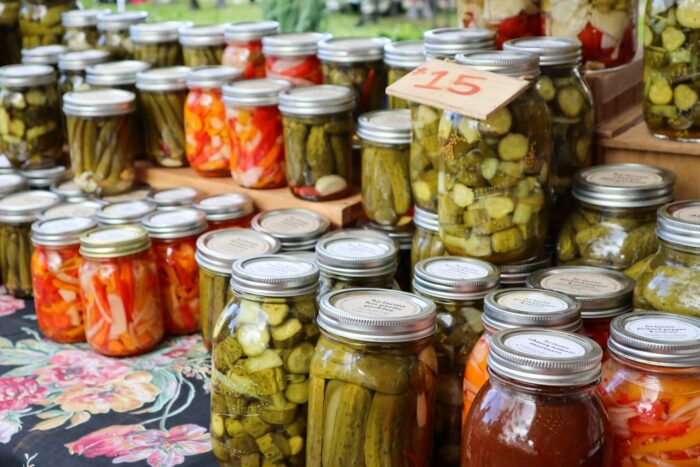
Photo by little plant
Products That Require Extra Attention
- Fermented Foods. Products such as miso, kimchi, soy pastes, and certain hot sauces often have specific storage requirements and transport conditions. If a retailer does not clearly explain shipping methods or transit times, product quality may be compromised.
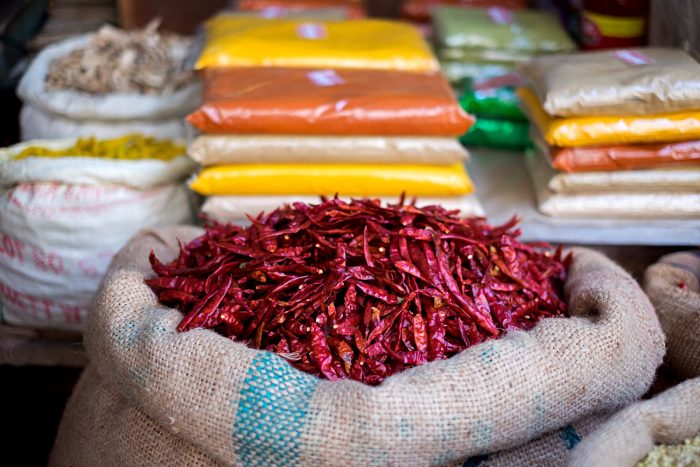
- Rare Spices. Vanilla, saffron, spice blends, and chilli powders are frequently counterfeited. Sellers should clearly display manufacturer packaging and provide information about the product’s origin. If these details are missing, it may be worth looking elsewhere.
Practical Ways to Avoid Online Shopping Scams
A few simple habits can significantly reduce the risk of problems when purchasing specialty ingredients online.
- Pay Attention to Small Warning Signs. A poorly designed website, inconsistent photography, or aggressive “today only” offers may indicate a lack of credibility. Small details often reveal more than marketing claims.
- Avoid Clicking Links in Emails. Even if a message appears legitimate, it is safer to visit the retailer’s website directly through a browser. This simple habit helps protect against phishing attempts.
- Use a Dedicated Payment Card. Many shoppers choose to use a separate card for online purchases with a limited balance. This can reduce potential losses if payment details are compromised.

Photo by Christin Hume
Conclusion
Buying specialty food ingredients online can be one of the best ways to discovering new cuisines, allowing home cooks to recreate dishes and flavours from around the world. However, premium ingredients also attract misleading sellers and fraudulent websites.
Taking a few precautionary steps—verifying the retailer, reading authentic reviews, checking product information, and remaining cautious of suspicious emails or discounts—can make online grocery shopping significantly safer.
These checks require very little time but can help avoid problems that end up costing far more than the ingredients themselves.