Beaches, wildlife and open spaces that seem to stretch for days – that’s what most people imagine when they think of Australia. For first-time visitors, a little planning goes a long way, so this beginner’s guide to travelling to Australia covers some of the practical things to know before you go. Once you arrive, though, the food deserves just as much attention. Australia seems to embrace culinary diversity, with menus offering dishes influenced by Indigenous, Italian, Thai, Chinese, and Indian cultures. Research into Australia’s favourite cuisines reflects just how varied the country’s food preferences have become. If you like to sample a bit of everything, combine Australia’s famous classics with whatever looks tempting at a local market, bakery or café.

Photo by Hailey Tong
1. Australian Meat Pie
The humble meat pie is one of Australia’s most recognisable comfort foods. Locals are fiercely proud of a good meat pie, particularly one with crisp, flaky pastry and a rich minced-meat filling in thick gravy. Some bakeries will offer alternative versions that include pepper, mushrooms, and chunks of steak. You won’t struggle to find one: most bakeries, pubs and sporting venues serve them, usually with tomato sauce.
Ask a local where they buy their meat pies. A good bakery pie should have crisp pastry, generous filling and enough structure to survive a paper bag.
2. Vegemite on Toast
The way Australians eat Vegemite can be a surprise for first-time visitors. If you’re spreading it as thick as jam, you’re doing it wrong – despite what many visitors assume, less is definitely more.
Vegemite is a dark yeast-extract spread that’s intensely salty and savoury, so a thin scrape over heavily buttered toast is plenty. Many Australians grow up eating it for breakfast, and cafés sometimes use it in cheese toasties or brunch dishes, so locals have had a lot more exposure than the average visitor. Even sceptics should try one properly prepared slice before deciding what they think of it. It’s a memorable part of everyday Australian life.

Photo by Jay Wennington
3. Fresh Australian Seafood
Australia’s long coastline makes seafood an obvious choice for visitors. Barramundi has delicate white flesh that works beautifully grilled or pan-fried, while Moreton Bay bugs – a type of slipper lobster – are often served with butter, garlic and lemon. Prawns are another favourite, particularly at summer barbecues, while Tasmania and South Australia are known for excellent local oysters. Don’t overlook fish and chips, either. Order whatever local fish is fresh, add lemon, and eat it near the water while keeping an eye on the seagulls.
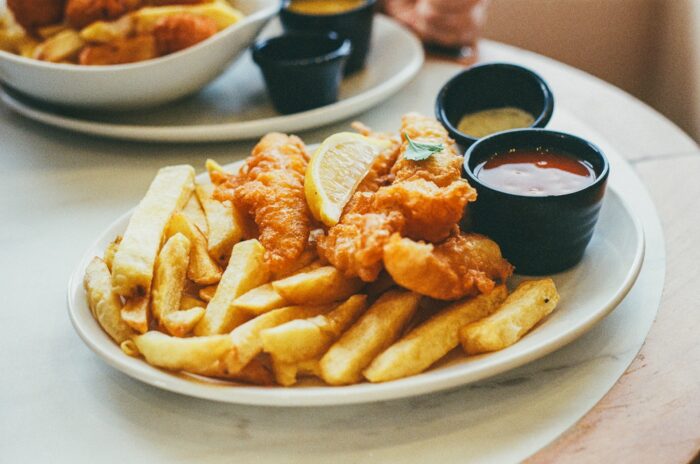
Photo by Nik
4. Native Australian Ingredients
Indigenous Australian ingredients have been part of Aboriginal and Torres Strait Islander food traditions for thousands of years. Today, chefs and producers are incorporating ingredients such as wattleseed, lemon myrtle, finger lime, bush tomato, macadamia and native pepper into contemporary Australian cuisine.
For visitors, dining at a restaurant or joining a guided Indigenous food experience can provide context about the ingredients, traditions and communities behind the food. You can also learn more about the ingredients and nutritional qualities of native Australian bush foods, including wattleseed, bush tomato and quandong.
5. Classic Australian Pub Food
Australian pubs are useful places to eat well without turning lunch into a formal event. Chicken parmigiana consists of crumbed chicken topped with tomato sauce and melted cheese, usually served with hot chips and salad. What locals call it varies by region: “parma” is more common in Victoria, while “parmi” is widely used elsewhere.
Burgers with beetroot are another favourite worth trying. The earthy sweetness works surprisingly well with beef, egg, cheese and the generous collection of sauces that often arrives between the buns.
6. Australia’s Coffee Culture
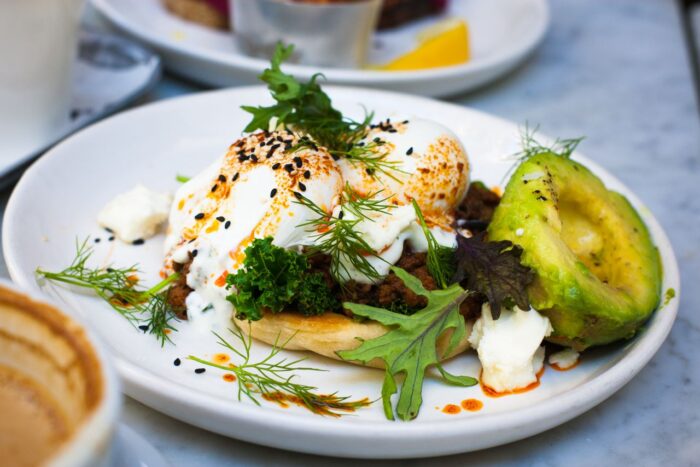
Australia has developed one of the world’s most distinctive coffee cultures, particularly in Melbourne and Sydney. Flat whites, long blacks and well-made espresso are part of everyday café life. Independent cafés have become destinations in their own right, and there are plenty of ways to make the most of a new coffee shop experience rather than treating it as simply a place to grab breakfast.
Melbourne is particularly famous for its speciality coffee scene, so leave time in your itinerary to sit down for a proper coffee rather than treating cafés simply as somewhere to grab breakfast.

8. Australian Desserts and Sweet Treats
Lamingtons, often called Australia’s national dessert, are cubes of sponge cake coated in chocolate icing and rolled in coconut. Some are split and filled with cream or jam, while others keep things simple. They are ideal with tea or coffee and easy to find in bakeries.

Pavlova is a retro dessert that brings a little more ceremony. Its crisp meringue shell, soft marshmallow-like centre, whipped cream and fresh fruit make it a favourite at celebrations. Australia and New Zealand have long debated its origins, but travellers can happily enjoy this classic dessert in both countries without taking sides. Tim Tams provide an easy sugar fix. Try the famous “Tim Tam Slam” by biting off two opposite corners and using the biscuit as a straw for a hot drink. Move quickly—the structural collapse is part of the fun.
Explore Australian Markets and Food Regions
Australia’s regional food culture offers plenty of reasons to explore beyond the major cities. Tasmania is known for its cheeses, South Australia for its wine regions, and tropical Queensland for its fresh fruit and seafood. Markets are particularly good for sampling several things at once, from pastries and dumplings to oysters and seasonal produce.
If you’re spending time in Melbourne, this guide to the best places to visit in Melbourne is a useful starting point for exploring the city between meals. Just outside Melbourne, the Yarra Valley is another excellent destination for food and wine lovers. This Yarra Valley wine tour and balloon flight offers inspiration for combining local food and wine with a memorable day trip.
Keep an eSIM for Australia handy while travelling, as it can be surprisingly useful when following your appetite from one place to another. Check market opening hours, find a nearby café, translate a menu or save the location of a bakery you want to revisit – all without having to rely on Wi-Fi.
Conclusion
Australian food is at its best when approached with curiosity and a flexible appetite. Try the icons, ask what is local, and leave room in the schedule for the meal you did not know you were going to find. One of the best ways to understand a destination is through its food. These ways to experience food while travelling can help you make the most of Australia’s markets, cafés and local restaurants.