A minimalist home can look deceptively simple. Clean lines, uncluttered surfaces and a carefully restrained palette create the impression that there is very little to think about, but good minimalist design is rarely as effortless as it looks. Behind those calm rooms are dozens of practical decisions: where the heating comes from, how fresh air circulates, where you plug in a lamp, how quickly the shower heats up and where all the things you actually use every day are stored. The trick is not to strip a home of everything functional, but to make those essentials work so seamlessly that you barely notice them.
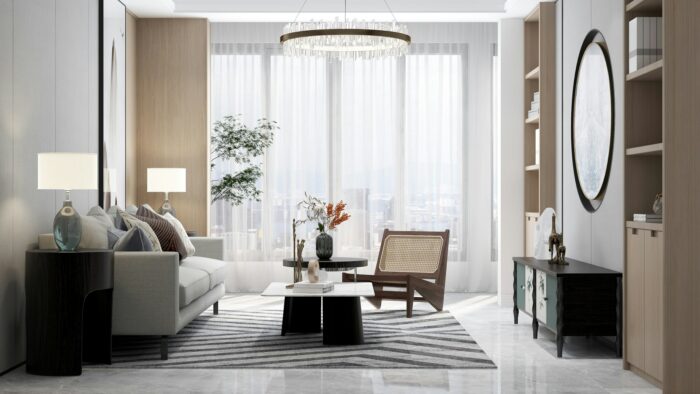
Photo by Nha Chill
The most successful minimalist interiors are supported by practical details that are easy to overlook: heating that keeps the space comfortable, good ventilation, enough power points and storage that has been considered as part of the design. European interior design often achieves this balance particularly well, combining clean lines and restrained palettes with spaces designed for everyday living. These aren’t necessarily the most exciting decisions to make, but they have a significant impact on how a home feels and functions every day.
Heating That Works With the Space
You can have the most beautiful open-plan space in the country, but if your boiler is undersized or on its last legs, keeping the home comfortable through winter can become a daily struggle. A properly sized, efficient heating system can make a significant difference to how a home feels, and it’s the kind of infrastructure nobody thinks about until it stops working.
When a boiler does need replacing, an online fixed-price quotation service can make the process more straightforward, particularly if you’re trying to minimise the disruption of having work carried out at home. Suppliers such as iHeat boilers allow homeowners to arrange a quote online rather than beginning with multiple in-person appointments.
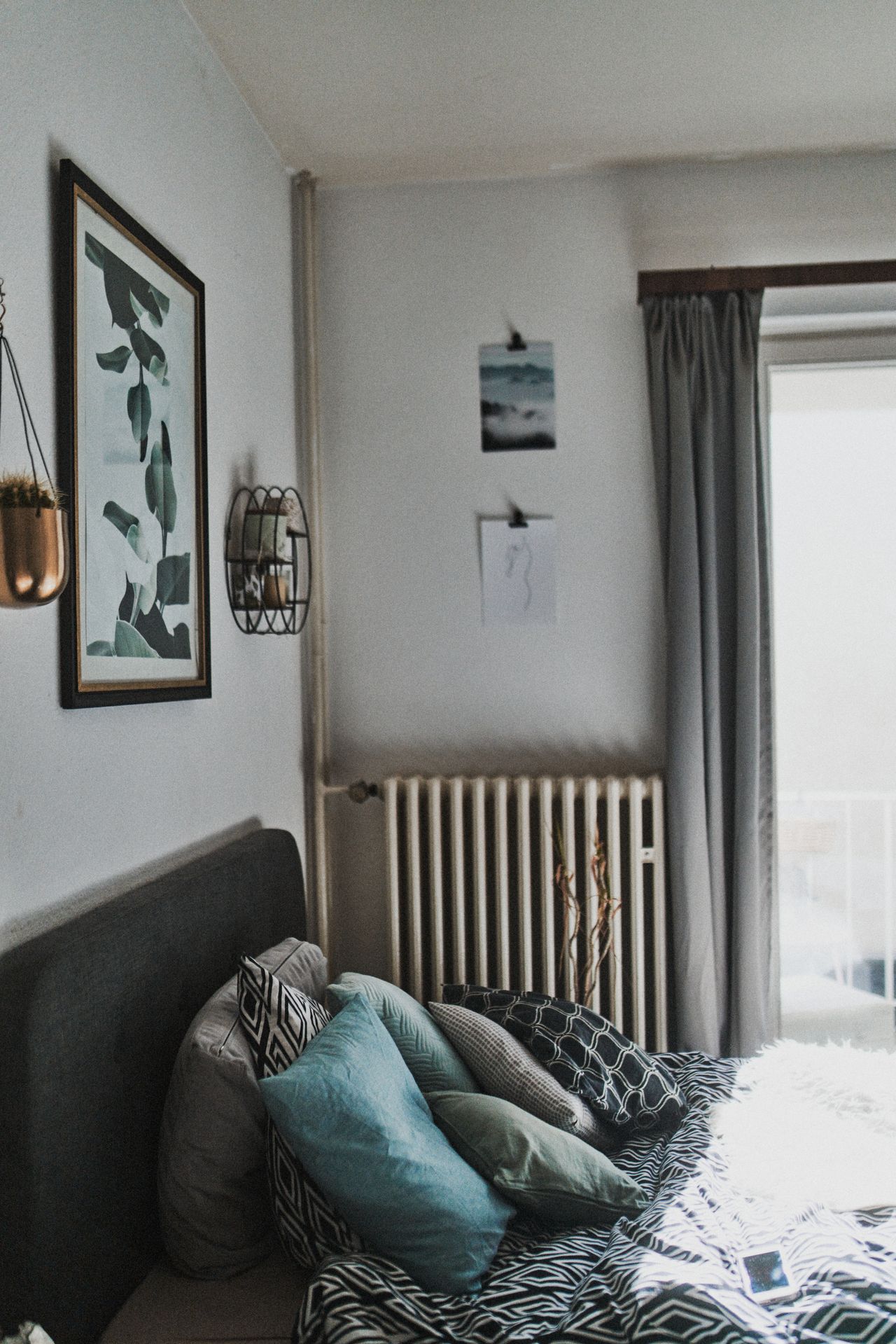
Photo by Nadine Wuchenauer
Ventilation Without the Visual Clutter
Good ventilation is easy to overlook, but it plays an important role in preventing moisture, condensation and mould. Extractor fans in kitchens and bathrooms, along with trickle vents and regular airflow, can help keep a home fresh without compromising its minimalist aesthetic. The The UK government’s home ventilation guidance recommends keeping trickle vents clear and regularly cleaning extractor fans.
If you’re renovating, mechanical ventilation with heat recovery (MVHR) is another option worth considering. It can provide fresh air while recovering heat from outgoing air, with the system largely hidden from view.
Sockets in the Right Places
A minimalist room depends on visual calm, and cables are one of the quickest ways to disrupt it. Before finalising a furniture layout, think about where lamps, chargers, televisions, speakers and other everyday appliances will actually be used. Placing sockets where they are needed — including inside cupboards or at desk height — makes it much easier to keep cables out of sight.
The same principle applies in the kitchen, where planning storage and power points around the appliances you actually use can keep worktops surprisingly clear.
Water Pressure Worth Checking
A beautiful bathroom is little consolation if the shower barely delivers enough water to rinse shampoo. Before choosing a large rainfall shower or other high-flow fitting, check the property’s water pressure and flow rate. Older homes and properties with lower mains pressure may need a different approach, such as a suitable pump or changes to the hot-water system.

Lighting With More Than One Function
Minimalist spaces rely heavily on lighting to create atmosphere and depth, so a single overhead pendant rarely does enough. Combine ambient lighting with task lighting where you need it and softer accent lighting to highlight architectural details, artwork or shelving. Dimmers are particularly useful because they allow the same room to feel quite different throughout the day.
Storage That Earns Its Place
Storage is one of the foundations of a successful minimalist interior. Storage is one of the foundations of a successful minimalist interior. Minimalism doesn’t mean owning nothing; it means giving the things you do own a considered place. Built-in wardrobes, under-stair drawers and concealed kitchen storage can do more for a clutter-free look than any amount of decluttering willpower. If you’re struggling with an excess of belongings, my guide on how to make space for a more minimalist home has some practical ideas for reducing visual clutter.
The trick is to plan storage into a room from the start, not bolt it on afterwards. Before buying something new, it is also worth considering whether an existing piece of furniture could be adapted or given a new purpose. My guide to upcycling and what you need to know explores how reusing and transforming what you already own can be part of a more thoughtful approach to interiors.
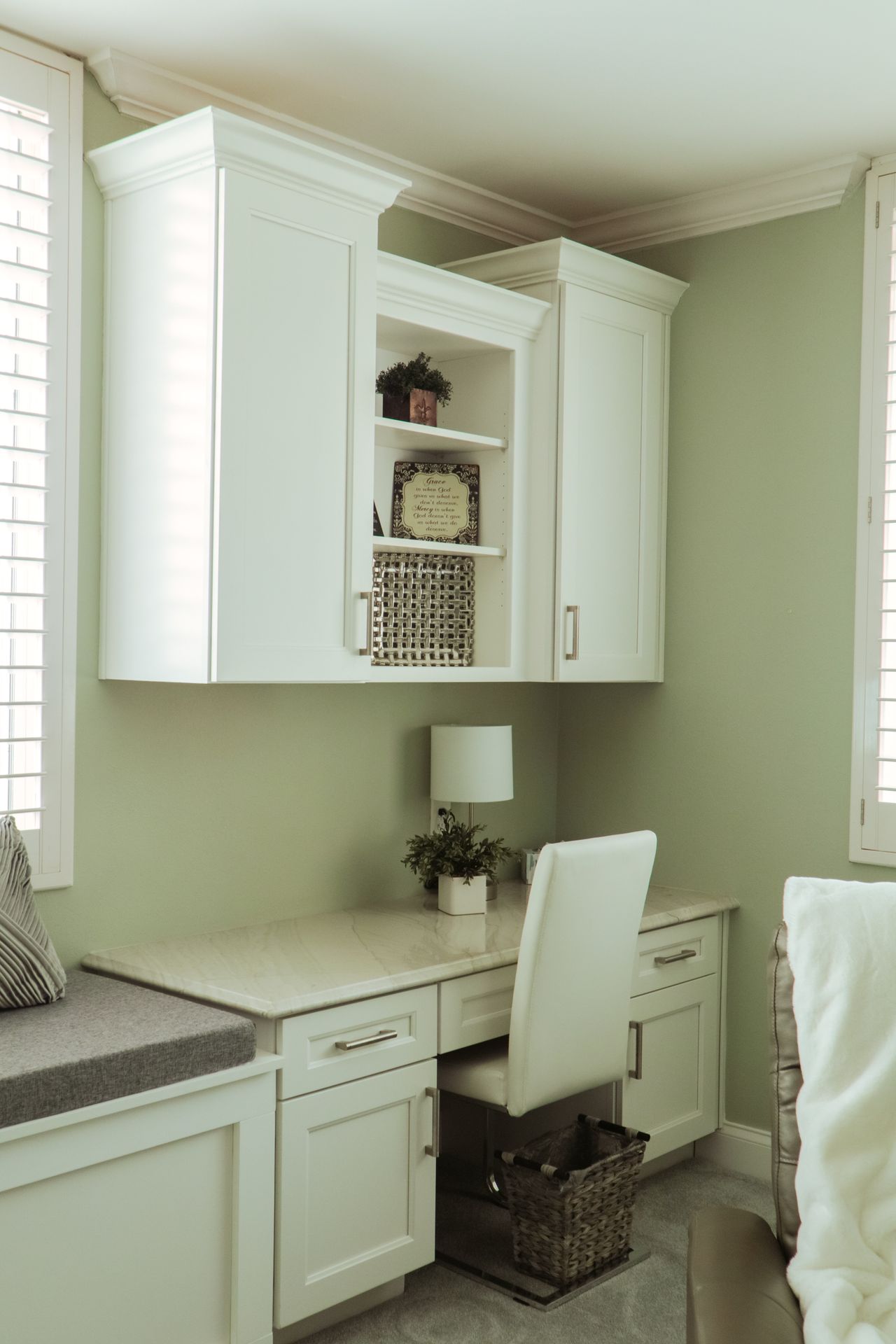
Photo by Kamila Nureddinova
Minimalism works best when the practical details have been considered as carefully as the aesthetic ones. Good heating, ventilation, lighting, water pressure, electrical planning and storage may not be the first things you notice when you walk into a room, but they are what make the space comfortable and easy to live in.
The goal isn’t to remove every functional element from sight. It is to design the home so that the things you use every day are where you need them, while the visual clutter stays out of the way. That’s what turns a minimalist interior from something that simply looks good into a home that genuinely works.