
How to Choose the Perfect Coffee Gift for a Coffee Lover
If you’re shopping for someone who really loves coffee, a bag of exceptional beans is often a better gift than another coffee mug or piece of equipment. For someone who already has a grinder, brewer and more coffee accessories than they know what to do with, the most thoughtful present may simply be something they haven’t tasted before.
But choosing speciality coffee can become quite complex quite quickly. Origin, roast level, processing method and flavour profile can make two coffees taste remarkably different. So how do you choose a coffee gift they will actually enjoy?
Start With How They Drink Coffee
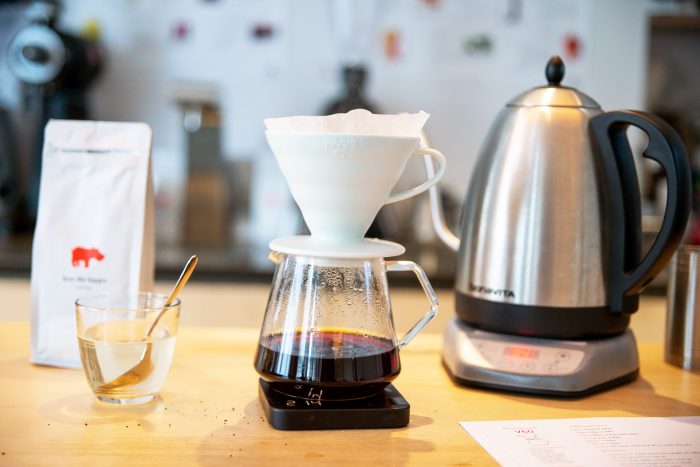
Before thinking about individual origins or processing techniques, start with a simpler question: how does this person usually prepare their coffee?
Someone who prefers espresso, cappuccino or flat white may enjoy coffees with flavours of chocolate, caramel, nuts and dried fruit. A person who drinks coffee black, particularly through a pour-over method, might appreciate something brighter and more aromatic, perhaps a washed Ethiopian coffee with citrus, floral or stone-fruit characteristics.
And if you’re buying for someone who talks about grinders, water recipes and extraction percentages, you have considerably more room to experiment. A rare variety, unusual processing method or experimental fermentation could turn the gift into a genuine tasting experience.
Speciality Coffee Doesn’t Just Taste Like Coffee
What is surprising about specialty coffee is how much two cups of coffee may differ.
Coffee is the seed of a fruit, and what ends up in the cup is influenced by everything from the variety and growing conditions to altitude, harvest, processing, fermentation and roasting.
Coffee from Ethiopia can show flavours reminiscent of jasmine, peach, berries or black tea, while Colombian coffees can range from chocolate and caramel to tropical fruit. Some Panamanian coffees are known for their floral character and pronounced sweetness.
These descriptions don’t mean that flavourings have been added to the coffee. They are sensory descriptors — a way of communicating aromas and flavours perceived during tasting, much as wine is described using terms such as citrus, stone fruit, spice or chocolate. The Specialty Coffee Association’s Coffee Taster’s Flavor Wheel illustrates just how broad the sensory range of coffee can be, from fruit and floral notes to spices, nuts and sweet aromatics.
Think About Origin — But Also the Producer
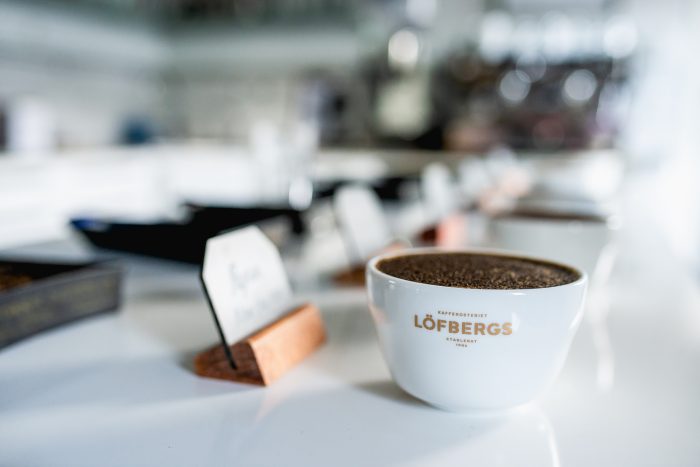
The country of origin is a useful starting point, but speciality coffee becomes much more intriguing when you look beyond the country on the label.
Ethiopia is home to extraordinary genetic diversity and coffees can range from floral and tea-like to intensely fruity. Colombia has an enormous variety of growing regions, varieties and processing styles, while Panama has become particularly associated with rare varieties such as Gesha and highly sought-after lots.
Yet two coffees from the same country — even the same region — can taste completely different. Variety, altitude, soil, climate, processing and roasting all contribute to the final cup.
This is why speciality roasters often provide information about the producer, farm or washing station alongside the country, variety, altitude and processing method. For a serious coffee enthusiast, following particular producers and discovering how their coffees change from harvest to harvest can become part of the pleasure.

Processing Is Where Things Get Really Interesting
The way coffee is processed after harvesting can have a significant influence on the flavour of the finished coffee.
- Washed coffees often emphasise clarity and acidity, allowing the characteristics of the coffee itself to come through more distinctly.
- Natural coffees are dried with the fruit still around the seed and can often show more pronounced fruitiness and sweetness.
- Honey-processed coffees are dried with some of the sticky mucilage left on the seed, producing a style that can sit somewhere between washed and natural processing.
Experimental fermentation is where things become particularly interesting. Producers can manipulate fermentation through factors such as temperature, time, oxygen exposure and the microorganisms involved, producing coffees with unusual and sometimes highly expressive sensory characteristics.
Co-fermented coffees take this experimentation further by introducing another ingredient, such as fruit, during fermentation. The process can produce coffees with pronounced fruit-like or confectionery characteristics, making them particularly interesting for someone who enjoys more experimental flavours.

Look Beyond the Usual Coffee Capitals
You don’t have to look only to Copenhagen, London or California to find interesting speciality coffee. Canada has a lively coffee scene of its own, particularly in Montreal, Toronto and Vancouver, with roasters working with traceable single-origin coffees and increasingly experimental processing methods.
Quebec’s coffee culture has evolved considerably in recent years, and Montreal-based roasters such as 94 Celcius are part of that wider movement. Founded in 2017, the roaster works with coffees from producers in countries including Ethiopia, Colombia and Panama, ranging from approachable everyday coffees to more unusual lots.
That makes a locally roasted coffee subscription an appealing gift: the coffee may come from somewhere on the other side of the world, but the discovery begins with a roaster you can get to know.
Why Coffee Subscriptions Make Good Gifts
Every good bag of coffee eventually comes to an end. A subscription turns a single gift into a series of discoveries.
The best subscriptions for coffee enthusiasts aren’t necessarily the ones that deliver the same coffee every month. Look for a service that introduces different origins, producers, varieties and processing methods, particularly if the recipient enjoys experimenting.
Montreal-based speciality roaster 94 Celcius offers Club Expé, a curated specialty coffee subscription. Each month, subscribers receive two 300g bags of single-origin filter coffee selected from the roaster’s more exclusive coffees. The first shipment also includes a tasting booklet, making the subscription feel more like an ongoing exploration than simply another delivery of coffee.
Whole Bean or Ground Coffee?
If the recipient has a grinder, whole beans are usually the better choice. Grinding immediately before brewing helps preserve the coffee’s volatile aromas and gives the brewer control over grind size, which has a significant effect on extraction. If you’re buying whole beans, it is also worth considering how the recipient stores their coffee once the bag is open. My guide to storing speciality coffee and tea covers the basics of protecting coffee from air, heat, light and moisture.
If they don’t own a grinder, however, don’t give them whole beans simply because they are considered superior. Pre-ground coffee matched to their brewing method will be far more useful than a bag they cannot easily prepare.
If possible, find out whether they use an espresso machine, automatic brewer, French press, AeroPress or pour-over and choose the appropriate grind. When in doubt, asking is better than guessing.
If you’re not sure which brewing method they use, asking is better than guessing. My guide to how to brew the perfect cup of coffee also explains how grind size, water and brewing technique affect the final cup.

Don’t Choose Based on Price Alone
The most expensive coffee isn’t necessarily the best gift. Speciality coffees can command higher prices because of rarity, limited production, exceptional quality or more labour-intensive processing, but price doesn’t tell you whether the recipient will enjoy the flavour.
A rare, floral coffee might delight someone who spends their mornings brewing with a V60, but be a poor choice for someone who prefers a chocolatey espresso with milk.
This is where tasting notes become useful. Chocolate, caramel and nuts suggest familiar, comforting profiles; citrus, berries, flowers and stone fruit often indicate something brighter and more aromatic. Tropical fruit, confectionery notes and unusual fermentation can appeal to someone who enjoys more experimental coffees.
The goal isn’t to find the most expensive bag on the shelf. It is to find one that makes the recipient want to put the kettle on immediately.
The Best Coffee Gift Is Discovery
The best coffee gifts aren’t necessarily the rarest or most expensive. They are the ones that give someone a reason to taste something they haven’t tried before.
Whether that’s an unusual fermentation, a coffee from a producer they’ve never encountered or a subscription that brings two new coffees every month, the pleasure is in the discovery. And for someone who already has all the equipment they need, there may be no better gift than a coffee they can’t wait to brew.






Thanks for the recommendation ! I’ll look into the Club Expé from 94 celcius. It seems to be pretty good.