Travelling to a new country brings a mix of excitement and questions. Nepal offers some of the most impressive views on the planet with its high peaks and deep history. Many people dream of visiting the Himalayas or walking through old temple squares. Getting ready for this journey requires a bit of work to make the most of your time. This guide helps you see the basics so you can focus on the great experiences waiting for you.

Photo by Giuseppe Mondì
Preparing For Your First Visit
Selecting the right time to go is a big part of your planning process. You might look for a Nepal trekking guide to find the best trails for your fitness level. Every path offers a different look at the local life and natural surroundings. You should check the weather patterns for the specific month you plan to arrive.
The Layout of the Country
The physical build of the country is quite different from many other travel spots. Information from a women’s group points out that roughly 75 percent of the land is covered by the Himalayan range. This means you will spend a lot of time moving through rugged ground. It makes for some steep climbs, even on simple walking paths.
Understanding Local Etiquette
Meeting local people is often the highlight of any trip to this region. A guide from a volunteer organization explains that the traditional greeting is “namaste” or “namaskar”. Learning these small gestures shows respect for the heritage of the people you meet. Most locals appreciate it when travellers take an interest in their daily habits. It is polite to ask before taking photos of people or private homes.
Safety and Health at High Altitudes
Staying healthy while exploring the heights is a top priority for every traveller. Organizations focused on mountain safety work hard to prevent deaths from Acute Mountain Sickness among foreign visitors. It helps to climb slowly and drink plenty of water to let your body adjust. You should listen to your guide if they tell you to rest. These experts know the signs of altitude sickness and how to treat it.
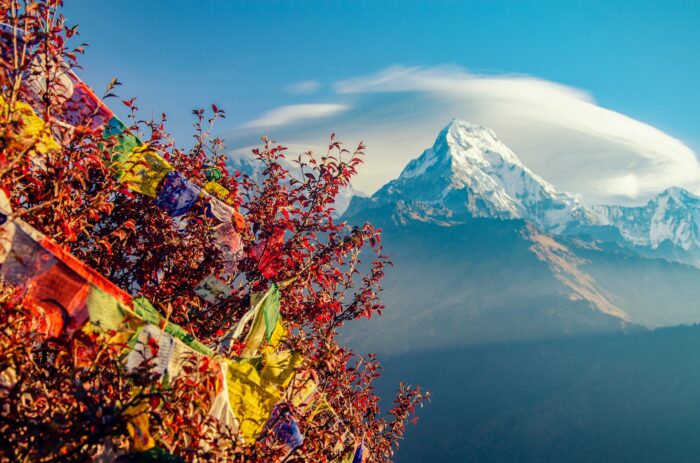
Photo by Sylwia Bartyzel
Paying for Medical Care
If you get sick, you need to be ready to pay for your own care. One travel advisory from a government department notes that medical treatment for foreigners is not paid for by the authorities in Nepal. Carrying good travel insurance is a smart way to manage potential costs if you need a doctor. Some medical flights out of the mountains can cost $5,000 or more.
Exploring Remote Adventure Spots
Some areas are much harder to reach by trekking, than the main tourist centers. A report on remote parks suggests that international trekkers still view certain northern regions as prized adventures. These spots offer a quieter experience away from the busiest trails. You will see more wildlife and untouched forests in these zones. It is a great way to escape the more popular paths.
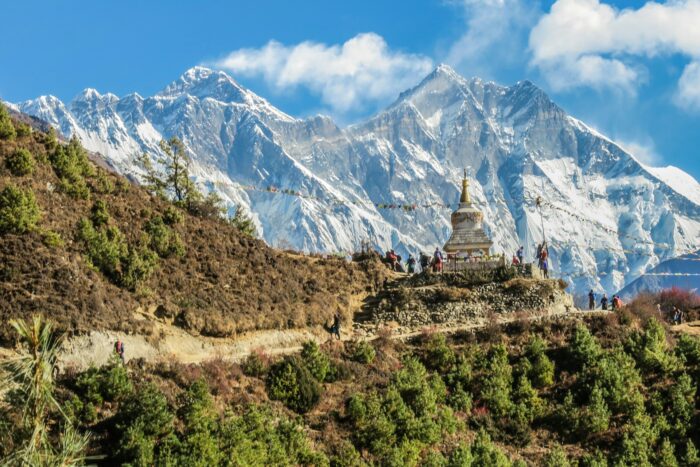
Photo by Sebastian Pena Lambarri
Tourism Trends and Timing
Popularity for the region continues to grow as more people find out about its charm. News reports show that the country welcomed over 1,158,459 international visitors during 2025. This represents a steady growth in interest from travellers around the globe. Many people visit during the spring or fall months for clear skies.
Busiest Months for Travel
Specific windows of time see even higher activity on the trails. Data from a tourism board highlighted that April 2025 saw a 5% increase in arrivals compared to the previous year. Planning your arrival outside of these peak months might offer a more relaxed pace. You will find fewer crowds at the tea houses and viewpoints.
Items to Pack for the Trek
You want to make sure you have everything you need while avoiding over-packing and lugging around heavy bags. The weather can change quickly when you are in the mountains, so layering your clothes is the best way to stay comfortable throughout the day. Remember: you should prepare for both hot sunny days and cold nights. Follow these top packing tips for long international trips to ensure you have everything you need.
- Lightweight hiking boots
- A warm down jacket
- Sun protection and a hat
- A reusable water bottle
- Simple first aid supplies
- Power banks for your phone
Staying Connected During Your Trip
Getting a local SIM card is a cheap way to stay in touch. You can find them at the airport for about $5 to $10. Many tea houses now offer Wi-Fi for a small fee. Connection speeds can be slow when you are high in the mountains. It is a good idea to download maps for offline use.
Exploring these high altitudes is a life-changing experience for many travellers. You will find a sense of peace and wonder that is hard to match anywhere else. Take your time to enjoy the small moments – like a hot cup of tea or a sunrise over the peaks. Respect the land and the people who live there as you move through the valleys. Your first trip to this part of the world will surely stay in your memory for a long time.