Running a top restaurant in London takes more than just a good menu; it requires a lot of work behind the scenes to keep the space safe and functional. While most of us focus on the food and the atmosphere, the restaurant kitchen’s infrastructure is what actually keeps the business running. Maintaining these hidden systems is a practical necessity that ensures the restaurant kitchen can handle the high pressure of daily service.
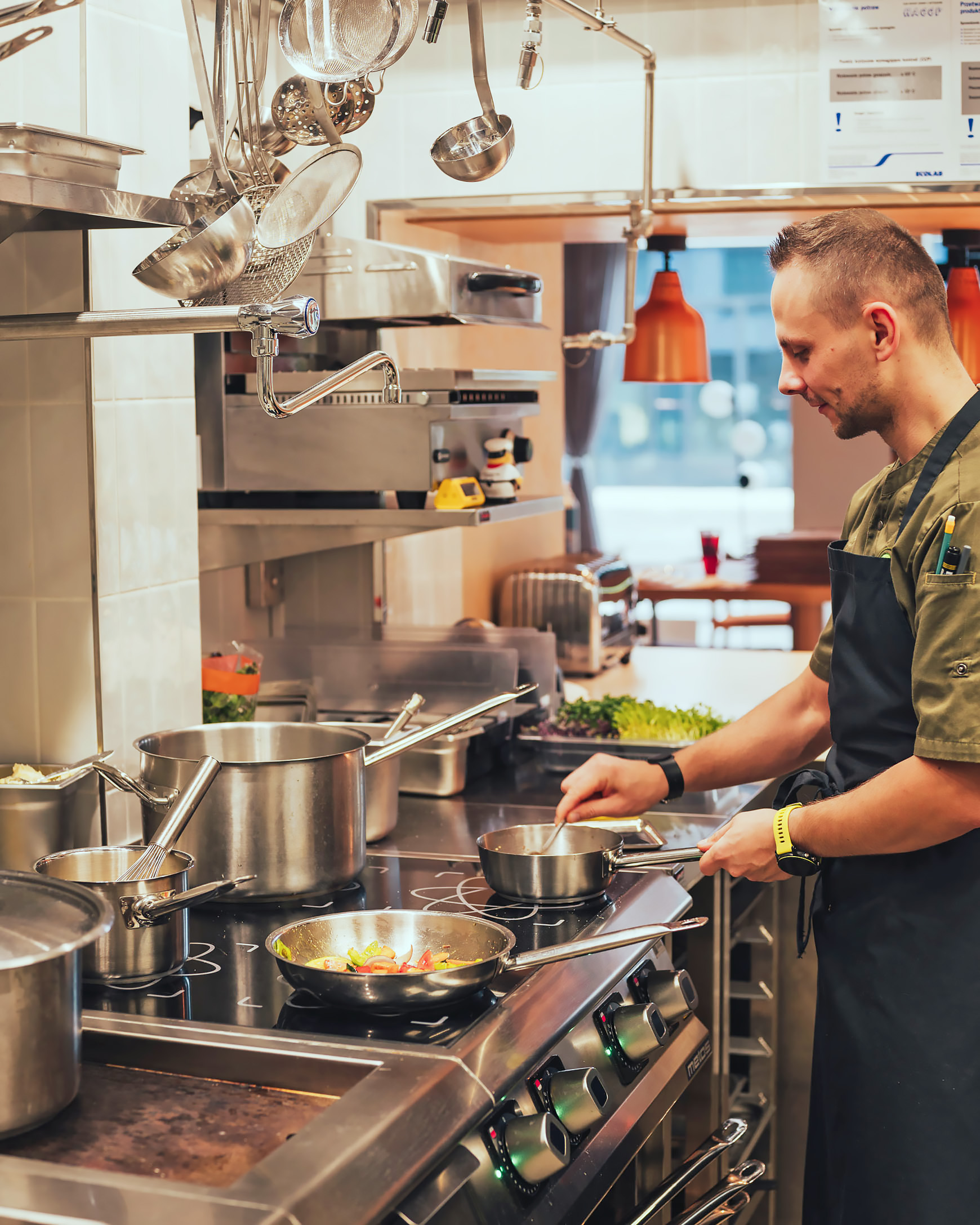
Behind the Heat: Why Restaurant Kitchens Need Regular Care
London’s busiest kitchens are high-heat environments that operate at a fast pace for hours on end. Because they are in constant use, these spaces require a specific level of maintenance that goes beyond daily surface cleaning.
As chefs cook, grease and vapour rise into the extraction system. Over time, these particles settle inside the filters, ducts, and fans. In a city where many kitchens stay open from morning until late at night, this buildup happens quickly. In a city like London, where many kitchens operate from morning through to late evening, this accumulation can happen faster than expected. Without regular attention from commercial extractor fan cleaners, these layers can become a safety risk and block essential airflow.
For restaurant owners, keeping this in balance is just a standard part of running a professional kitchen. While these commercial spaces focus on high-volume efficiency, you can apply similar levels of detail to your own home by following these insider tricks for elevating your kitchen.

The Parts You Don’t See: How Extraction Systems Work
While a kitchen might look spotless from the outside, the extraction system tucked above the cooking stations tells a different story. Ductwork and canopies naturally collect grease over time, even if they aren’t visible during a normal shift.
In busy London restaurants, this buildup can affect how well the fans work and put extra strain on the equipment. If the ventilation is shared with other parts of the building, keeping it clean is even more important to avoid affecting neighbours. It’s a quiet, ongoing process, but managing these details is what keeps the restaurant kitchen running efficiently.

Staying on Top of Industry Standards
Every well-run restaurant kitchen follows strict rules. From hygiene to fire safety, there are clear expectations that restaurants are required to meet, all designed to ensure that both staff and guests are protected. Part of this involves making sure extraction systems are clean and safe to use. This isn’t about how the kitchen looks, but about managing complex, hard-to-reach areas.
The industry follows TR19 Grease standards, which suggest how often a system needs cleaning based on how much it’s used. In practice, this tends to look like:
- High volume kitchens that operate throughout the day typically require attention every one to three months
- Moderately busy kitchens often follow a three to six month schedule
- Lower usage kitchens may only need cleaning once or twice a year

The Importance of Routine Maintenance
In a city with busy restaurants, maintaining what happens behind the scenes is just as important as the service itself. Over time, extraction systems collect layers of grease in areas that are difficult to reach during daily cleaning. If left alone, this buildup affects airflow and the kitchen’s overall efficiency. This is why specialist support should be a routine part of the schedule rather than an afterthought.
Professional cleaners have the tools to access the internal parts of a system, clearing out the grease that builds up over weeks of service. Keeping these areas clean allows ventilation systems to work properly and puts less strain on the equipment. From a practical standpoint, well-maintained systems are less likely to break down, helping owners avoid disruptions during busy periods and ensuring the kitchen meets all safety standards.
Subtle Signs to Watch For in a Restaurant Kitchen
Restaurant kitchen teams eventually learn to spot the small signs that the extraction system needs attention. Often, it’s visual—like a sheen of grease around the vents or the edge of a canopy.
Other times, it’s about the environment. If cooking smells are lingering longer than usual, or if the kitchen feels warmer than it should, the airflow is likely blocked. You might even notice the fans making a different sound as they work harder to move air. Addressing these signs early keeps the kitchen in a good rhythm and ensures everything stays seamless for the diners out front.