Travel has always been one of the most powerful ways to learn about the world. Every destination offers new sights, traditions, languages, and perspectives that cannot be fully understood through textbooks alone. For families, exploring together creates opportunities to transform ordinary vacations into unforgettable learning experiences.
Children naturally ask questions when they encounter something unfamiliar. Whether they are visiting a centuries-old landmark, tasting a local specialty, or observing different customs, every moment encourages curiosity. These experiences build knowledge while creating positive memories that make learning feel exciting instead of obligatory.

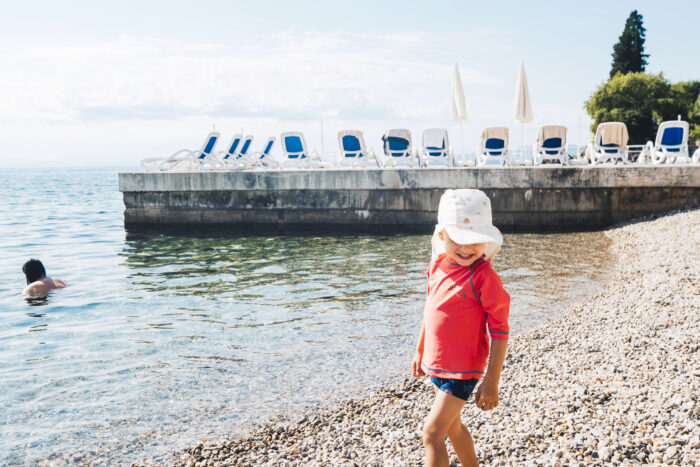
Photo by Natalya Zaritskaya
Why travel is the best classroom
Education does not stop when school holidays begin. In many ways, travel offers lessons that are difficult to recreate in traditional classrooms because children actively participate instead of simply reading or listening.
Walking through historic streets helps children imagine the people who once lived there. Visiting museums brings important events to life, while national parks introduce scientific concepts through firsthand observation. These experiences encourage children to connect facts with real places and real people.
Every destination has a story to tell
One of the greatest benefits of family travel is discovering the unique stories behind every location. Cities, villages, landmarks, and even restaurants often have fascinating histories that reveal how communities have grown over time. Visiting UNESCO World Heritage Sites can be an excellent way to introduce children to places of outstanding cultural and historical significance while encouraging a deeper appreciation of the world’s shared heritage.
Parents can encourage children to ask why buildings were constructed a certain way, how local traditions developed, or what events shaped a region’s culture. These conversations strengthen critical thinking while making each destination more meaningful.
Instead of rushing from one attraction to another, families can slow down and appreciate the history that surrounds them. Children often remember stories far longer than isolated facts.
Discovering culture through food and cafés

How travel builds confidence in children
Travel often places children in unfamiliar situations that encourage independence. Ordering food, reading maps, navigating airports, or communicating with people from different backgrounds all require problem-solving skills. A little preparation before departure can also help make the airport experience smoother and more enjoyable for the whole family.
Each successful experience builds confidence. Children learn that unfamiliar situations are not something to fear but opportunities to grow and adapt. As families overcome small challenges together, children develop resilience that extends into school, friendships, and future careers.
Why museums make travel more meaningful
Museums remain one of the richest educational resources available to traveling families. Interactive exhibits allow children to touch, experiment, and discover information in engaging ways.
Art museums introduce creativity and cultural expression. Science museums encourage experimentation, while history museums help children understand how past events continue to influence modern society.
Instead of viewing museums as places filled with rules, families can approach them as spaces designed for exploration and discovery.
Educational activities before and after your trip
Learning becomes even more meaningful when it begins before departure and continues after returning home. Families can research destinations together, locate them on maps, and learn basic facts about local traditions. Browsing family travel guides together can also inspire children to learn about different cultures, wildlife, and historical sites before setting off on their adventure.
After the trip, children can create travel journals, organize photographs, or write about their favorite experiences. Revisiting memories reinforces what they learned while encouraging reflection. Some families also enjoy reading books related to places they have visited, allowing children to deepen their understanding long after the vacation ends.
For parents looking to continue that spirit of curiosity at home, educational stories can complement real-world experiences. Families can shop The Tuttle Twins for children’s books and learning resources that encourage critical thinking and meaningful conversations without replacing the value of firsthand exploration.
Conversations matter more than perfect itineraries
Families sometimes feel pressure to visit every attraction or follow packed travel schedules. However, meaningful conversations often leave a greater impact than checking destinations off a list.
Asking open-ended questions encourages children to think more deeply about what they experience. Parents might ask what surprised them most, what seemed familiar, or what they would like to learn more about.
These discussions help children organize new information while developing communication skills and confidence in expressing their ideas.
Small adventures create big lessons
Not every educational journey requires international travel. Exploring nearby towns, local museums, cultural festivals, botanical gardens, or historical landmarks can provide equally valuable experiences.
Children benefit from discovering the history and culture within their own communities before expanding their understanding of the wider world. Every outing becomes an opportunity to ask questions, solve problems, and develop curiosity.
Families who embrace regular exploration often discover that learning becomes part of everyday life rather than something limited to school.
Creating lifelong learners through family travel
The greatest gift family travel offers is not simply the destinations visited but the mindset it creates. Children who experience different cultures, environments, and perspectives often develop a lasting desire to continue exploring throughout their lives.
Every journey teaches flexibility, curiosity, empathy, and appreciation for the diversity of the world. These qualities support academic success while preparing children to become thoughtful, informed adults.
When families approach travel as an opportunity to learn together, vacations become far more than temporary escapes. They become lasting educational experiences that inspire children to keep asking questions, seeking knowledge, and embracing new adventures wherever life takes them.