Long flights, sunny afternoons, salty swims and changes in climate can all affect how your skin looks and feels when you travel. A few days spent sightseeing outdoors may leave your skin drier, more sensitive or more uneven in tone than usual. The good news is that protecting your skin doesn’t mean staying indoors or packing an entire bathroom cabinet. With a few simple habits, you can enjoy your holiday while reducing unnecessary sun exposure and keeping your skin comfortable.

Photo by Mikhail Nilov
Why Travel Can Affect Your Skin
While travelling can have positive effects on a person’s emotional wellbeing, changes in climate, longer hours outdoors, and disrupted routines can place added stress on the skin.
Holidays tend to bring people outdoors for much longer than usual. A morning spent exploring can easily turn into a full afternoon of walking, eating outside, or relaxing near the water. As a result, your skin may receive far more UV exposure than it would during a typical day at home, even if you never develop a visible sunburn.
Additionally, if you’re travelling closer to the equator, the UV index may be higher because the sun’s rays reach the Earth more directly. Mountain destinations can also increase exposure, as UV radiation becomes stronger at higher elevations. Snow, water, and sand may reflect sunlight as well, exposing your skin from angles that are easy to overlook.

Photo by Khamkéo Vilaysing
How Flying Can Affect Your Skin
Long flights can leave skin feeling dry and uncomfortable. Cabin air has low humidity, while disrupted sleep, changes in routine and not drinking enough water can make you feel less refreshed when you arrive. A little preparation can make long journeys more comfortable, from keeping your skincare essentials accessible to planning what you need before reaching the airport. These stress-free airport tips for families can help make the travel day easier, particularly when travelling with children.
Keep your in-flight skincare simple: moisturiser and lip balm, with sunscreen packed somewhere easily accessible for when you arrive at your destination.

Photo by George Zografidis
Can You Treat Sun-Damaged Skin?
Sun damage isn’t completely reversible, although some visible effects, including uneven pigmentation, rough texture and fine lines, can be improved with consistent skincare and professional treatments.
Depending on the concern, a qualified dermatologist or skincare professional may recommend treatments such as chemical peels, laser or light-based treatments, or resurfacing procedures. For more noticeable sun damage, fractional CO₂ resurfacing may help improve uneven tone, rough texture and fine lines. It may also be considered for addressing dark spots from sun exposure, depending on the type of pigmentation and the individual’s skin tone. Because CO₂ resurfacing works more deeply than a facial or light peel, it requires preparation and recovery time. It should not be performed on freshly sunburned or actively tanned skin.
The right treatment depends on your skin type, the type of pigmentation and whether your skin has recently been exposed to strong sun. Never treat freshly sunburned or irritated skin with an aggressive treatment. Allow the skin to recover and seek professional advice if pigmentation or other changes persist.
How to Protect Your Skin from the Sun While Travelling
While some treatments can improve the visible effects of sun damage, prevention is still the most effective approach. Knowing how to protect your skin before and during a trip can reduce unnecessary exposure without keeping you from enjoying the outdoors. Here are some practical ways to stay protected while travelling.
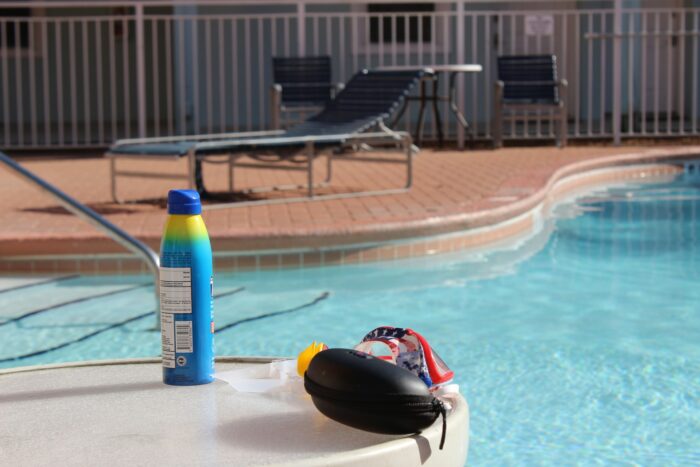
Photo by Nathan Jeon
1. Pack a Travel-Sized Skincare Kit
Keep sunscreen, moisturizer, and an SPF lip product with your carry-on travel essentials. Having them close by makes it easier to reapply protection during long travel days and manage the dryness caused by cabin air. With sunscreen use still lower than it should be, it’s worth making SPF one of the first things you pack for a sunny trip. Choose travel-sized products that you already know work well with your skin. Apply a broad-spectrum sunscreen before heading outdoors and reapply regularly, particularly after swimming, sweating or spending several hours outside. The American Academy of Dermatology’s sunscreen guidance offers practical advice on choosing, applying and reapplying sunscreen.
2. Cover Up When the Sun Is Strong
A well-planned travel capsule wardrobe can include lightweight pieces that are easy to wear during long walks or outdoor activities. A wide-brimmed hat and sunglasses can provide additional protection, particularly during long days of sightseeing. Choosing versatile clothing also means packing less and avoiding unnecessary holiday shopping. Packing thoughtfully is also one of the simplest ways to make your travels more sustainable.
3. Take Shade Breaks
Avoid spending long stretches in direct sunlight, especially around midday when UV levels are often at their highest. Break up outdoor activities with stops at covered cafés, indoor attractions, or shaded seating areas. These pauses allow you to cool down, reapply sunscreen and take a break from direct sunlight. This is particularly useful when exploring destinations where you’ll spend hours outdoors photographing architecture, beaches or landscapes. If you’re planning a photography-focused trip, it’s worth building shaded breaks into your itinerary rather than waiting until your skin starts feeling uncomfortable.

Photo by Joy Marino
4. Adapt Your Routine to Your Destination
A good travel skincare routine should change with the destination. If you are heading to the coast, prepare for swimming, sweating, and reflected sunlight. For mountain travel, remember that UV exposure increases with altitude even when the air feels cool. Looking at the UV forecast can help you pack more thoughtfully.
Final Takeaways
Travel is one of the best ways to spend more time outdoors, but all those sunny walks, swims and sightseeing days can add up. Protect your skin with sunscreen, shade, suitable clothing and a simple skincare routine that works for your destination.
And if a new or persistent skin change doesn’t settle after your trip, don’t try to treat it yourself—have it assessed by a qualified professional.