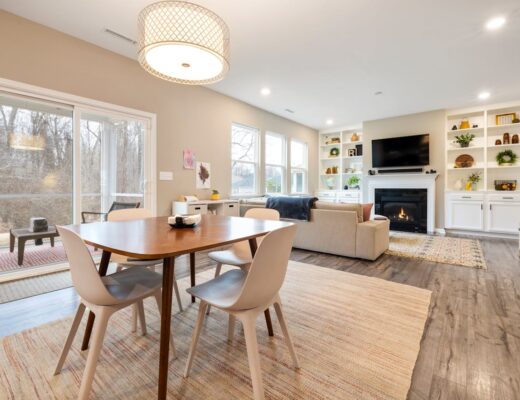
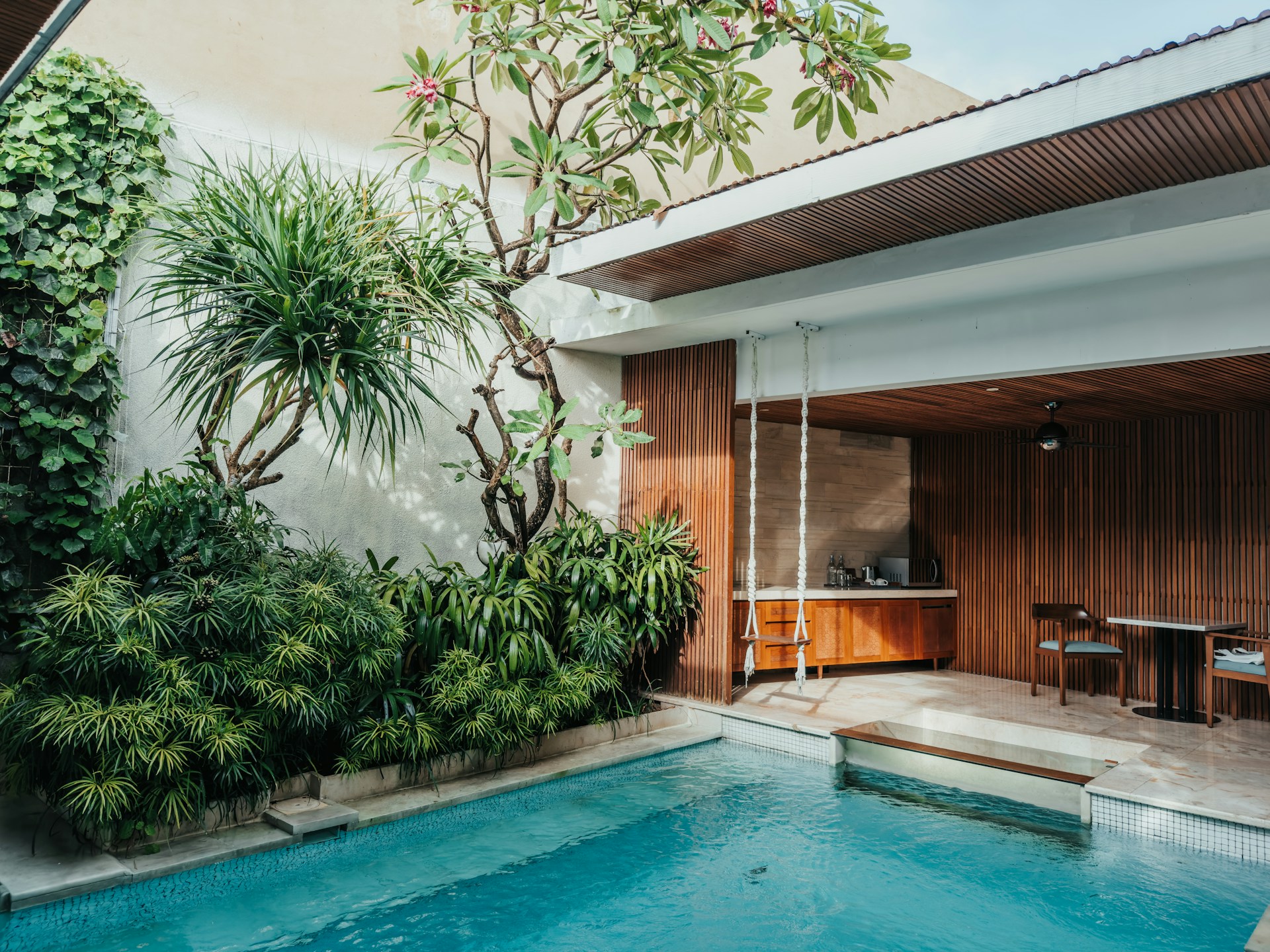
Europe offers far more interior inspiration than one neatly defined style. A Copenhagen apartment, a Parisian flat and a home on the Italian coast can have completely different personalities. That variety is exactly what makes European interior design so useful when decorating your own space. This year, take inspiration rather than copying a room wholesale. Borrow Scandinavian warmth, Italian earth tones or the French appreciation for old furniture, then adapt those ideas to the way you actually live. Here are six European influences that can add character to a British home without making it feel themed.

Image by Oleksandr Kurchev
United Kingdom: Make Practical Fixtures Part of the Design
British homes often come with practical constraints, from narrow rooms to radiators that take up valuable wall space. Rather than fighting those features, treat them as part of the decorating plan.
Heating is one area where a functional item can contribute to the room visually. Contemporary designer radiators come in shapes and finishes that make it easier to consider heating alongside furniture, lighting and wall colour. A tall vertical design, for instance, can make better use of a narrow section of wall where a wider radiator would restrict furniture placement.
If you’re replacing your heating, shop at UK Radiators and compare designer radiator styles with the dimensions and character of your room in mind. Before settling on appearance, work out the heat output your space requires and check the measurements carefully.
Apply the same thinking to other necessities. Handles, switches, shelving, and lighting don’t need to disappear. Choosing them with care can make even the most practical parts of a room feel considered.
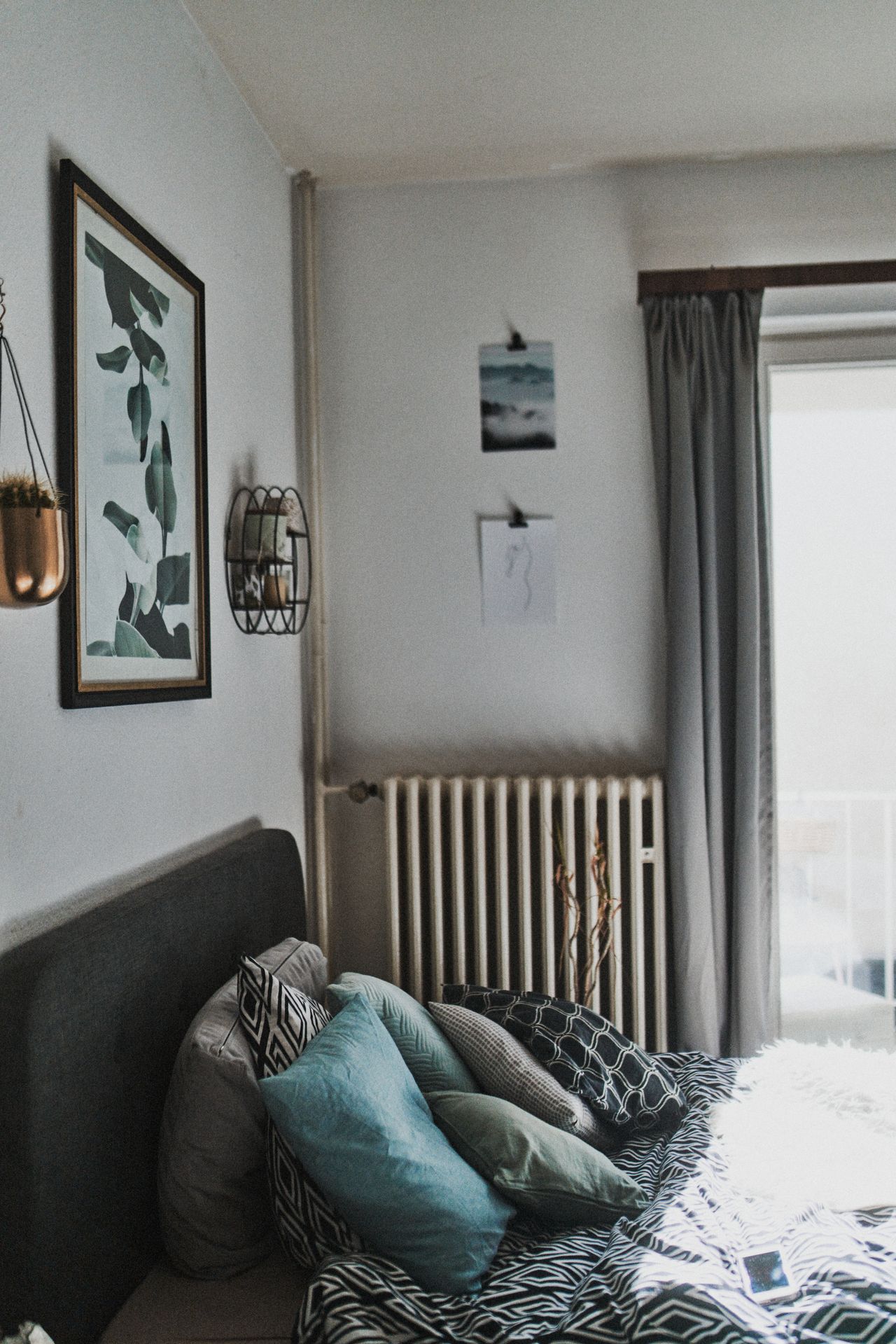
Photo by Nadine Wuchenauer
Denmark: Take Hygge Beyond Candles and Blankets
Danish hygge has become familiar outside Scandinavia, but its appeal goes deeper than piling a sofa with throws. In practice, hygge is about creating a comfortable atmosphere and enjoying ordinary moments. The concept extends beyond interiors, encompassing the Danish idea of cosiness, togetherness and enjoying simple moments with friends and family.
For interiors, that can translate into warm lighting, tactile materials, and furniture arranged around conversation rather than a television. Instead of relying on one bright ceiling light, place smaller lamps at different heights around the room. A lamp beside an armchair makes a reading corner more inviting, while a pendant above the dining table gives evening meals a cosier setting.
Natural materials fit comfortably into this approach. Try wool, linen and timber, but avoid turning the room into a catalogue of neutral Scandinavian furniture. Personal photographs, books and objects collected over time keep the space individual.
Plants can soften the clean lines of a Scandinavian-inspired room, bringing another layer of colour and natural texture without compromising its simplicity.
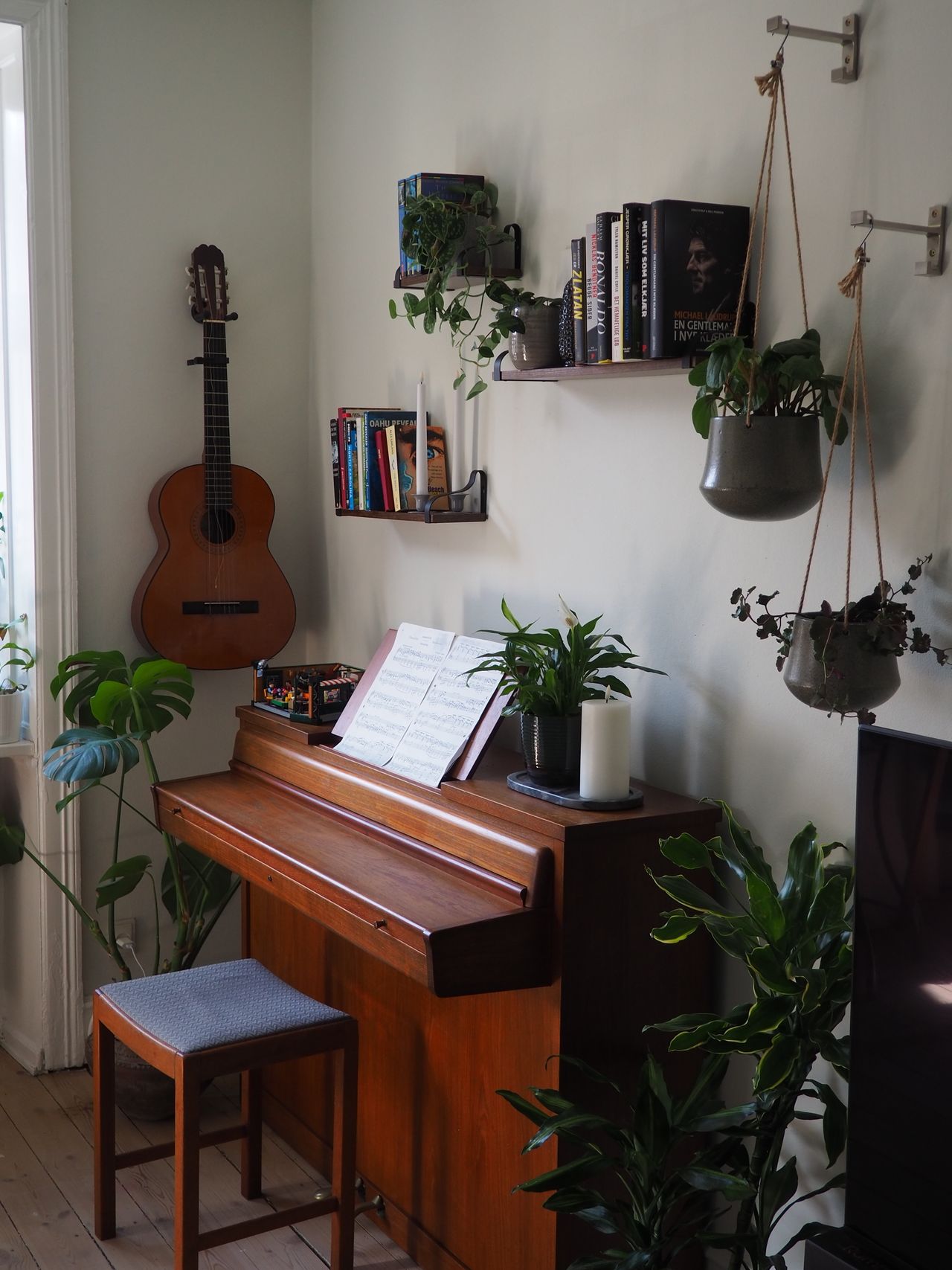
Photo by thea a: https://www.pexels.com/photo/a-piano-inside-a-house-7643288/
Italy: Bring Mediterranean Colour Indoors
Italian interiors provide plenty of inspiration for anyone tired of cool greys. Think of sun-warmed buildings, terracotta floors, olive trees, stone and aged timber rather than trying to recreate a particular villa or palazzo.
Terracotta, ochre, olive green, warm cream and deep brown can all bring that mood into a home. You don’t need to repaint every wall. Introduce these colours through ceramics, cushions, lampshades, artwork or a single painted area.
Texture matters just as much as colour. Linen curtains, wooden furniture, stone surfaces, and ceramics with slight variations can keep an earthy palette from feeling flat. Natural stone flooring, for example, can introduce both texture and variation, with materials such as limestone and marble bringing their own natural patterns into a room.
The kitchen and dining room are particularly good places to try this influence. Open shelves displaying everyday ceramics, a generous wooden table and simple linen tablecloths can create a relaxed atmosphere without relying on overtly Mediterranean motifs.

Inside a countryhouse in Tuscany
France: Mix Antiques With Contemporary Pieces
French interiors often make a persuasive case against buying everything from the same collection. Older furniture, decorative mirrors and traditional architectural details can sit comfortably beside cleaner contemporary pieces.
You can recreate that contrast without owning a grand Parisian apartment. Pair an old wooden side table with a modern sofa, hang an antique or vintage mirror above simple cabinetry.
Second-hand shops, antique markets and online marketplaces can provide the older half of the equation. You can also give an existing piece a new lease of life through upcycling, whether that means restoring its original finish or adapting it to suit your space. Focus on pieces you genuinely like instead of buying something simply because it looks “French”.
Avoid overfilling the room, too. An ornate piece has more impact when the surrounding furniture gives it breathing space. If several styles share a colour, material or proportion, the overall room can still feel coherent. In a British home, a small tiled area can often make more impact than covering an entire wall.
Portugal: Bring Pattern in With Tiles
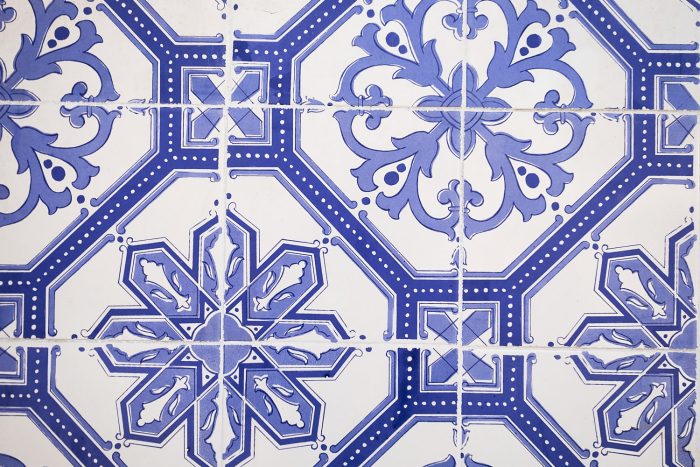
Portugal offers a lesson in using pattern confidently. Decorative tiles, including the country’s famous azulejos, have long played an important role in Portuguese architecture and interiors.
At home, take inspiration from the principle rather than trying to imitate a historic tiled building. Patterned tiles can give a kitchen splashback, fireplace surround or small bathroom a distinct identity. Even a relatively small tiled section can introduce colour and detail to an otherwise simple room.
If permanent tiling feels like too much commitment, translate the idea into textiles and accessories. Blue-and-white ceramics, patterned cushions or a geometric rug can introduce similar visual rhythm.
Keep the surrounding surfaces calmer when using an intricate pattern. Plain walls and simple furniture give detailed tiles room to stand out without making a compact space feel hectic.
Sweden: Choose Simplicity Without Stripping Away Personality
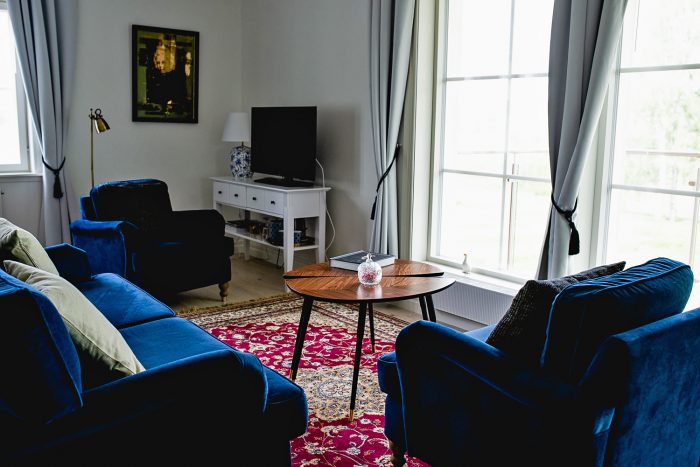
Swedish design shows that simplicity does not have to mean stark minimalism. Pale woods, practical furniture and restrained colours can create an airy foundation, while textiles, artwork and personal possessions stop the space from feeling impersonal.
This approach works particularly well in smaller homes. Choose furniture with proportions that suit the room rather than automatically opting for bulky pieces. Furniture raised on legs can reveal more floor and create a lighter visual effect, while closed storage gives everyday clutter somewhere to go.
From there, add personality gradually. A patterned rug, framed print, colourful chair or collection of ceramics can break up a restrained palette. The aim isn’t to remove everything decorative. Instead, give the things you care about enough space to be noticed.
Final Thoughts
The best European-inspired interiors rarely depend on copying a single country from floor to ceiling. Instead, they borrow ideas and adapt them to the building, the people living there and the realities of everyday life.
Try Danish ideas about comfort in the living room, Italian colours in the kitchen, Portuguese patterns in a bathroom, or the French habit of mixing old and new. Even practical British considerations can become part of the finished look when you choose fixtures thoughtfully.
Pick the influences that suit your home, and ignore those that don’t. A room with character should feel as though it developed around your life, not as though it arrived fully assembled from a trend forecast.