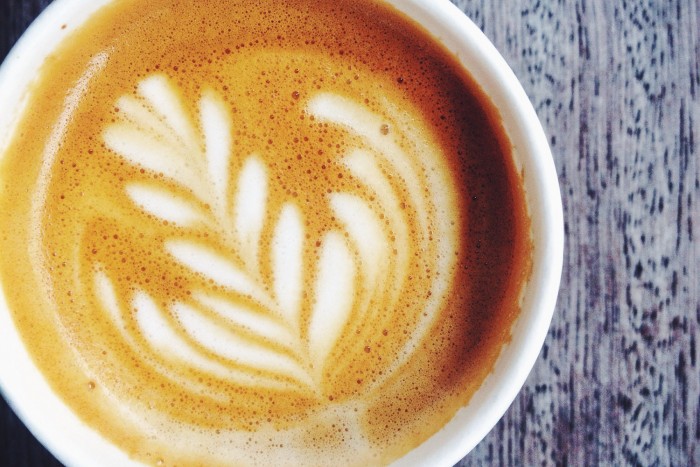
Have you ever wondered why a coffee can taste so good in a good coffee shop and somehow become something entirely different when you brew it at home? It is tempting to blame the machine, the water or even your brewing technique. Sometimes those things do make a difference. But very often, the starting point is much simpler: the coffee itself.

For many people, supermarket coffee is the flavour against which all other coffee is judged. It is familiar: dark, bitter and sometimes slightly ashy, with a little milk or sugar added to soften the edges. Yet coffee does not have to taste this way. Once you begin exploring speciality coffee, you realise just how much flavour can be found in a single bean — from stone fruit and citrus to chocolate, caramel, nuts and delicate floral notes.
The difference between speciality coffee and a typical supermarket blend isn’t simply a matter of price or attractive packaging. It comes down to how the coffee is grown, processed, graded, roasted and, ultimately, how fresh it is when you drink it.
What Makes Coffee “Speciality”?
The term “speciality coffee” is more nuanced than a simple score on a cupping sheet. The Specialty Coffee Association’s definition of specialty coffee now focuses on distinctive attributes and the additional value they create, including qualities related to flavour, origin, processing and production.
Traditionally, coffees scoring 80 points or above on a 100-point scale have often been described as speciality, but the industry’s understanding of the term has evolved. The SCA’s current definition goes beyond a single score, considering both the intrinsic qualities of the coffee and information such as its origin, producer, growing practices and processing method.
This is one of the most noticeable differences when you compare a bag from a speciality roaster with a conventional supermarket blend. A good speciality coffee will often tell you the country, region, producer or farm, variety, processing method and roast date. These details aren’t there simply to make the packaging look sophisticated. They give you an indication of the coffee’s provenance and help explain why it tastes the way it does.
For someone accustomed to buying coffee simply labelled “100% Arabica”, this can be an entirely new way of thinking about the drink. Arabica describes a species of coffee; it tells you surprisingly little about its quality, origin or flavour.

Green coffee before roasting
Where Do Supermarket Coffee Blends Come From?
The principal advantage of a supermarket coffee blend is consistency. Large-scale roasters need to produce a product that tastes broadly the same throughout the year, despite changes in harvests, availability and coffee prices.
Blending coffees from different origins allows roasters to maintain a familiar flavour profile and manage fluctuations in supply and cost. There is nothing inherently wrong with this approach. In fact, consistency is precisely what many consumers want from an everyday coffee.
The difference is that these coffees are generally produced for a very different purpose from a small-batch speciality coffee. They need to withstand long supply chains, extended periods of storage and time on supermarket shelves. Roasting, packaging and distribution are therefore designed around shelf life as much as flavour.
Coffee doesn’t suddenly become undrinkable after a particular date, but it does gradually lose the volatile aromatic compounds that make freshly roasted coffee so expressive. Over time, flavours become flatter and the distinction between different origins becomes harder to perceive.
This is one reason a freshly roasted speciality coffee can seem almost surprising if you are used to supermarket coffee. The beans haven’t necessarily been roasted to taste more intensely of “coffee”; they have been roasted in a way that allows more of their own character to remain perceptible.
Why Freshness Matters
Coffee is at its most expressive when it is relatively fresh. After roasting, the beans gradually lose carbon dioxide and volatile aromatic compounds, while their flavour continues to evolve. That doesn’t mean coffee suddenly becomes undrinkable after a particular number of days, and freshness itself is more nuanced than the coffee industry sometimes suggests. An interesting interview with coffee researcher Chahan Yeretzian on the myths of coffee freshness explores why the first days after roasting are a period of significant change rather than simply a countdown to staleness.
The ideal drinking window varies according to the coffee, roast level and brewing method. Rather than treating freshness as a fixed number of days, it is more useful to think of coffee as evolving after roasting, with different stages producing different flavour and extraction characteristics.
This is why a roast date is much more useful than a best-before date when choosing coffee. A bag that tells you when it was roasted gives you considerably more useful information than one that simply gives you a best-before date many months into the future. One reason many speciality coffee roasters now offer a monthly coffee subscription is freshness: having beans delivered soon after roasting means you are far less likely to be brewing coffee that has spent months sitting on a supermarket shelf. For home brewers, buying fresher beans is one of the simplest ways to improve the quality of a cup.
Freshness also depends on what happens once the bag is open. Coffee is particularly sensitive to oxygen, heat, light and moisture, so storing it properly can help preserve its flavour for longer. I’ve written more about how to store coffee properly and the best ways to keep coffee and tea fresh at home.
Buying smaller quantities and using them within a few weeks is usually a better approach than keeping a large bag of coffee in the cupboard for months.
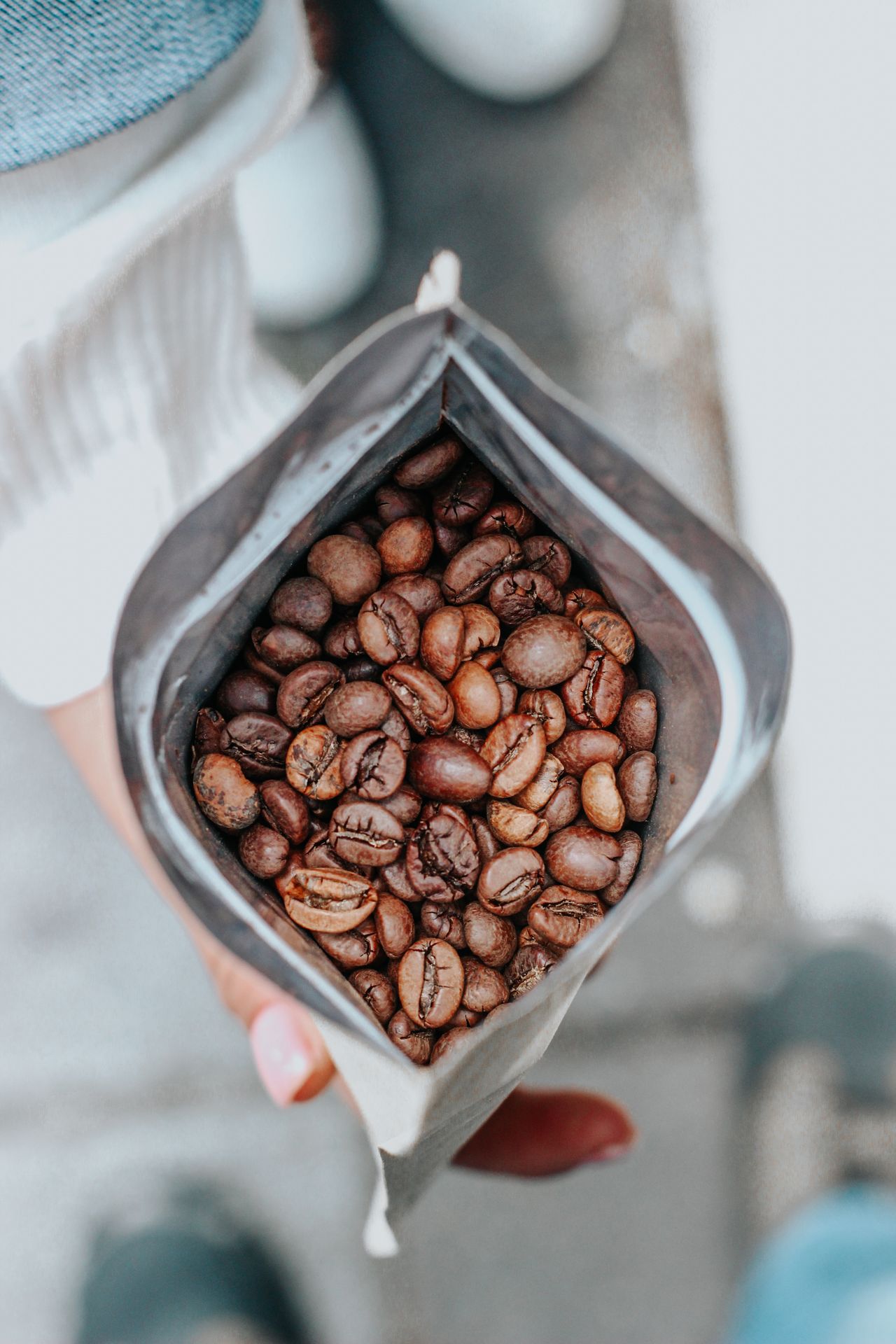
Photo by Doğu Tuncer
Is Dark Roast Coffee Really Bad?
Dark roast coffee has acquired something of a bad reputation in speciality coffee circles, but it deserves a little more nuance. As the roast develops, acidity generally decreases and roast-derived flavours become more pronounced. Chocolate, caramel, toasted nuts, spices and molasses can all work beautifully in a darker roast, particularly when the underlying coffee has enough sweetness and structure to support it.
The problem comes when roasting is taken too far or used to obscure the character of poor-quality coffee. A very dark roast can overwhelm the flavours that distinguish one origin from another, leaving a cup that is predominantly smoky, bitter and ashy. A well-made dark roast, by contrast, should retain some sweetness and balance, with the roast complementing rather than overwhelming the coffee. Darker coffees can also work particularly well for espresso or with milk.
The easiest way to judge a dark roast is by how it tastes rather than how dark the beans look. The information on the bag can help too: look for a roast date and some indication of origin, producer or processing method. Darker beans are more likely to develop a shiny surface as oils migrate outward during roasting, but oily beans are not necessarily stale. If the coffee is extremely dark and noticeably oily, however, the roast character is likely to dominate the cup.
Ultimately, the question isn’t whether dark roast is good or bad, but whether the roast has been developed with enough care to bring out the qualities of the coffee rather than simply masking them.

Why Speciality Coffee Costs More
Speciality coffee can look expensive when you compare the price of a bag with a supermarket packet. But the price of the beans tells only part of the story.
Higher-quality coffee involves more selective harvesting, processing and quality control, while smaller producers and speciality supply chains often place greater emphasis on traceability and long-term relationships. Green coffee prices also fluctuate considerably, so the economics are more complicated than simply comparing two bags on a supermarket shelf.
There is another useful way to look at the price: cost per cup. A typical 250g bag of whole beans can produce roughly 15–20 cups of filter coffee, depending on your recipe. Even a relatively expensive bag can therefore work out at considerably less per cup than buying speciality coffee in a café every day.
For me, this is one of the most compelling reasons to improve the coffee you drink at home. A better bag of beans doesn’t have to mean a more expensive daily habit.
How to Choose Better Coffee at the Supermarket
You don’t have to become a coffee expert to make a better choice. Start by looking beyond the front of the packet, where the language is usually designed to evoke a feeling rather than tell you much about the coffee itself.
Turn the bag over and look for a few useful details: when the coffee was roasted, where it came from and whether the roaster provides information about the producer or processing method.
A meaningful set of tasting notes can also be useful, although you don’t need to take them literally. Notes such as chocolate, dried fruit, citrus or caramel are descriptions of aromas and flavours that the roaster has identified during tasting; they don’t mean that anything has been added to the coffee.
Most importantly, look for a coffee that sounds traceable and recently roasted. A vague description such as “rich and smooth” tells you very little on its own.
Once you have better beans, the next step is making the most of them. Grind size, water temperature and brewing method all influence the final cup, so even good coffee benefits from a little attention to technique. My guide to how to brew the perfect cup of coffee goes into these details in more depth.
The Difference You Can Taste
The gap between speciality coffee and supermarket coffee isn’t simply about being a coffee enthusiast or knowing how to pronounce the name of a Colombian region. It is about having access to coffee with more traceability, greater attention to quality and, often, considerably more freshness.
Origin, processing, roast profile and freshness all influence what eventually ends up in your cup. And once you start paying attention to those things, coffee becomes much more interesting. A washed Ethiopian coffee might remind you of citrus and jasmine; a naturally processed Brazilian coffee might taste of chocolate and dried fruit; a well-developed darker roast might offer caramel, cocoa and toasted nuts.

None of this means that supermarket coffee has no place. There are plenty of people who simply want a familiar cup in the morning, and there is nothing wrong with that. But if you have ever wondered why the coffee you drink at a good speciality café tastes so different from what you make at home, the answer often begins long before the beans reach your kitchen.
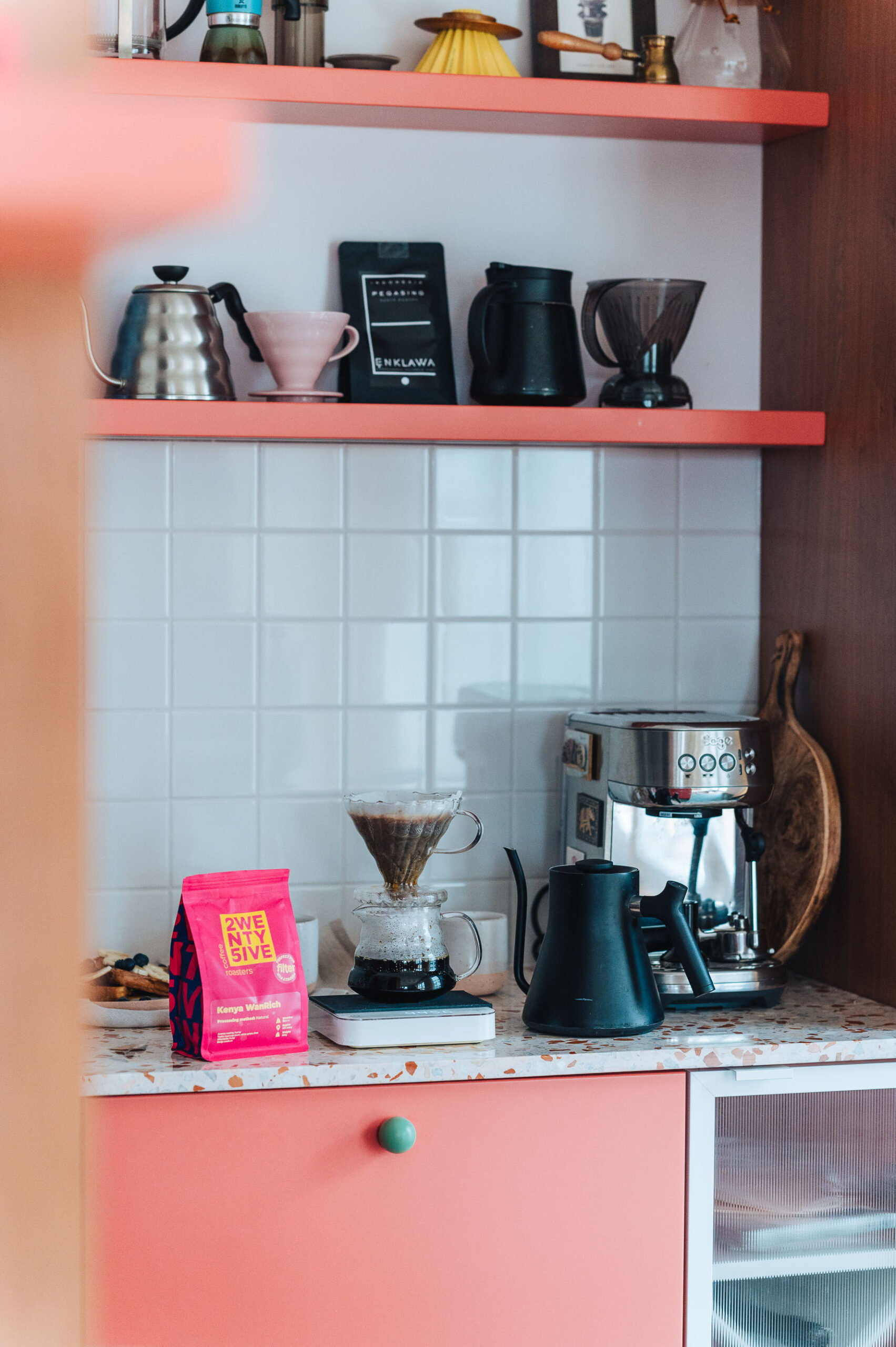
You don’t necessarily need an elaborate coffee station, either, but a good grinder and a few well-chosen pieces of equipment can make brewing at home more enjoyable. If you’re thinking about upgrading your setup, I’ve also put together some ideas for coffee and tea kitchen upgrades.
Start with fresher coffee. Buy a smaller bag, look for the roast date, grind it just before brewing and give yourself time to notice what is actually in the cup. You may find that the flavours you associate with coffee — bitterness, roastiness and heaviness — are only part of the picture. There is a much wider range of flavour waiting to be explored.