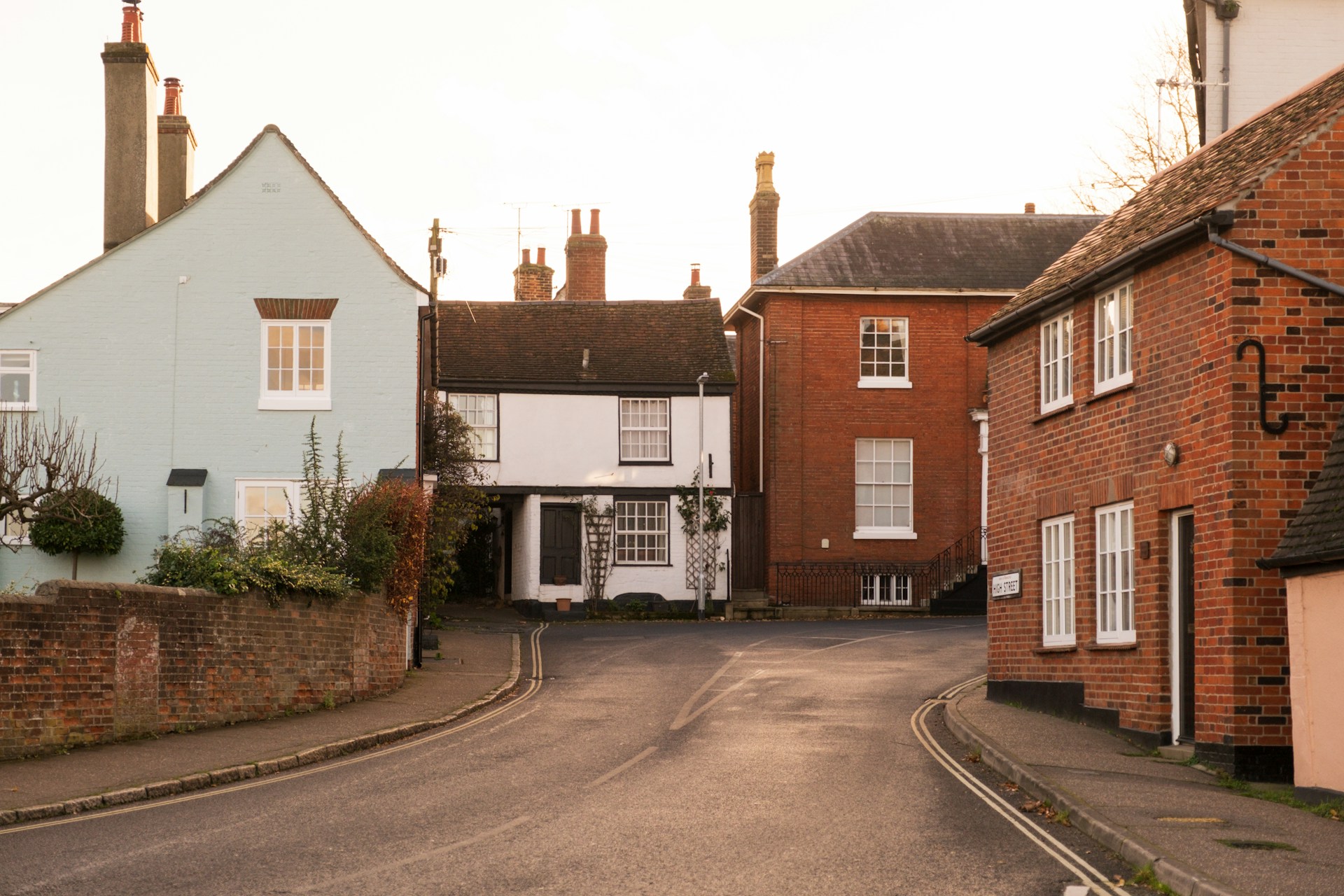
Timber frame homes have plenty of character: exposed beams, generous open-plan spaces and, often, a wood-burning stove at the heart of the living room. But once you have a crawling or newly walking child, some of those lovely features need a second look. If you’re also thinking about updating your home as your family grows, my guide to simple ways to transform your living space has some ideas for making changes without starting from scratch.
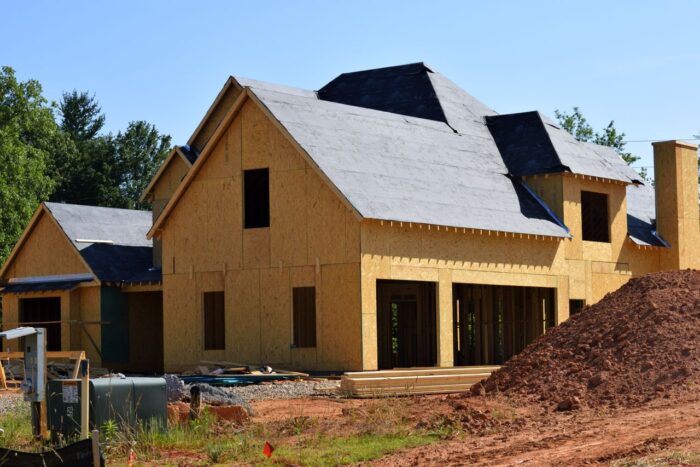
Photo by Pixabay
Childproofing advice tends to assume a fairly conventional house, so if your home has exposed timber, unusual ceiling heights or a stove in the middle of an open-plan room, there are a few extra things worth checking.
Watch Out for Low Beams and Exposed Timber
Exposed beams are one of the best things about a timber frame home, but low or projecting beams can become a hazard once a child starts walking and climbing.
Rather than covering every piece of timber, look at the room from your child’s height. Move chairs, toy boxes and other climbable furniture away from low beams, and check that bunk beds or raised play areas don’t put a child’s head directly beneath an awkward beam.
The same applies to corners, stair openings and other structural features that may not have seemed like a problem before your child became mobile.
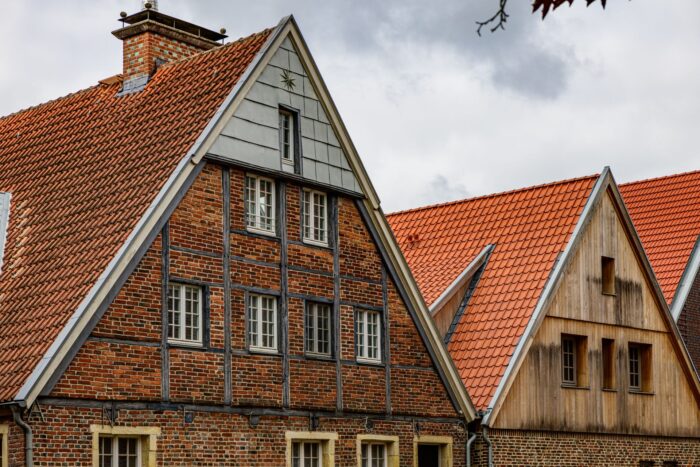
Photo by Sergej
Make the Wood Burner a No-Go Zone
If you have a wood-burning stove, this should be one of the first things you childproof. The stove and surrounding surfaces can remain hot after the fire has gone out, so children need to be kept away from them. Fire and rescue services recommend using a suitable fireguard and keeping combustible materials away from the stove. Familiarise yourself with the most recent fire safety guidance for parents and child carers.
A securely fixed guard is preferable to one that a toddler can easily move. Keep logs, kindling and fire tools out of reach too, and make sure the stove has been installed and maintained according to the manufacturer’s instructions.
It’s also worth checking that you have working smoke alarms and, where appropriate, a carbon monoxide alarm.
Keep an Eye on Moisture and Ventilation
Timber frame construction isn’t inherently more vulnerable to damp, but moisture needs to be managed properly. Condensation, leaks or inadequate ventilation can create problems in any home, and persistent damp conditions can contribute to mould.The starting point is good ventilation, even when it’s cold outside. Trickle vents on windows help a lot with this. Pick up a hygrometer and keep an eye on humidity levels in bedrooms and the nursery. Aim to keep indoor relative humidity below 60%.
If you’re interested in the wider relationship between ventilation, materials and wellbeing at home, I’ve also written about healthy home design trends and improving indoor air quality. And if you notice any damp patches forming on timber, deal with them straight away before mould has a chance to take hold.
Think About Noise Room by Room
Sound can behave differently in an open-plan or timber-framed home, particularly where bedrooms are close to living areas or floors are hard rather than carpeted.
Rugs, curtains and upholstered furniture can help absorb everyday noise, while keeping doors closed during naps can make a surprisingly noticeable difference. Rather than assuming your house needs specialist acoustic treatment, spend a few days paying attention to where the noise travels and tackle the rooms that actually cause problems.
Check Your Insurance and Survey
The construction of your home can also affect insurance and future maintenance. Timber frame is sometimes treated as non-standard construction for insurance or lending purposes, although this depends on the property and the individual insurer.
Check your buildings insurance carefully and make sure your insurer understands the construction type and can provide suitable timber frame house insurance for your property. MoneyHelper also notes that a building or structural survey can be particularly appropriate for non-standard construction, including timber properties.
Childproof in Stages
The nice thing about childproofing is that you don’t have to do everything at once. A crawling baby and a determined three-year-old can find completely different ways of getting into trouble.
Start with the obvious hazards: child proof stairs and windows, the wood burner, electrical sockets and anything within easy reach. Then walk through the house again as your child becomes more mobile and starts climbing.
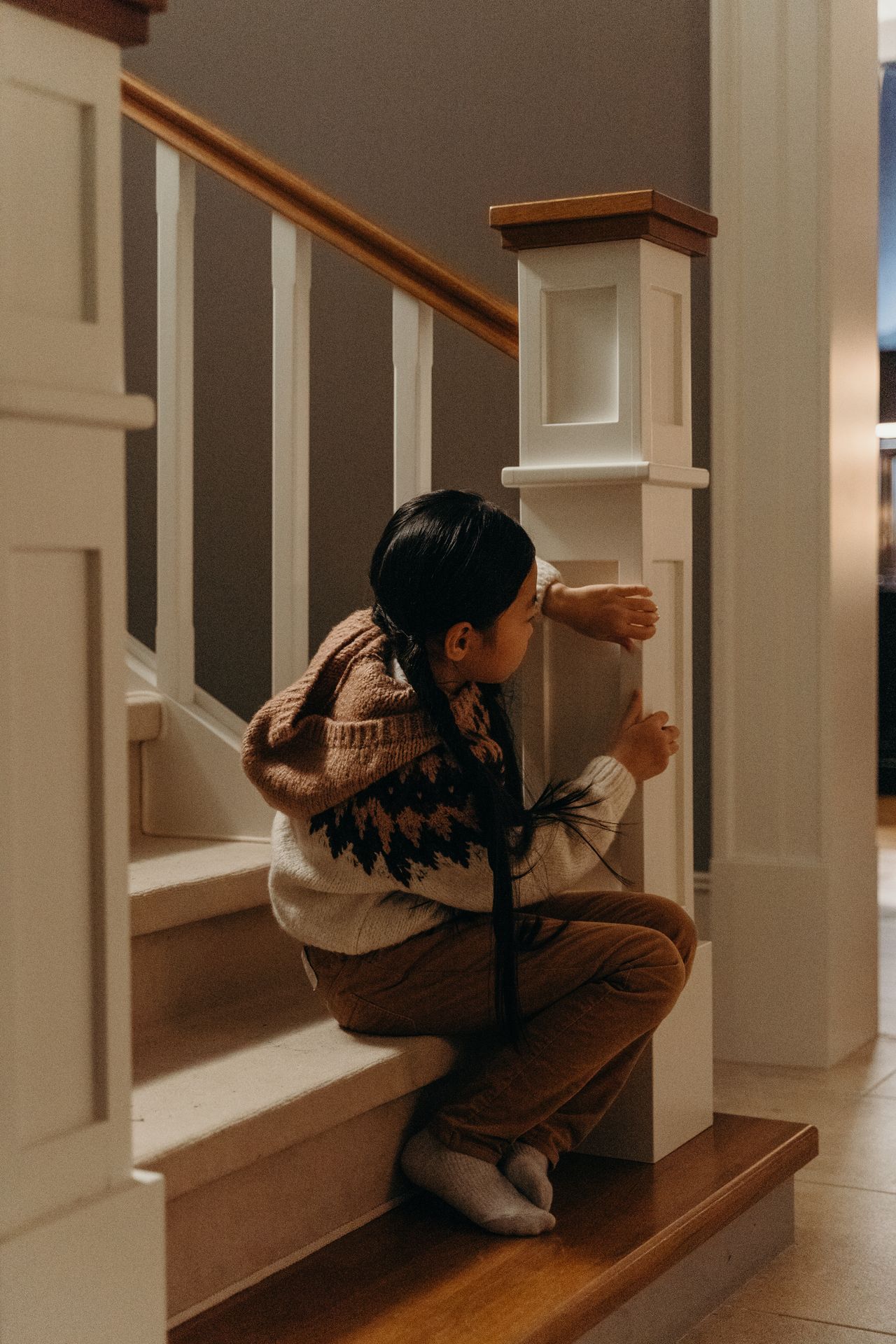
Photo by cottonbro studio
Timber frame homes are wonderful family spaces, and there’s no reason their character needs to disappear under layers of safety equipment. If you’re also thinking about how to make a family home feel considered rather than purely practical, my guide to European interior design ideas for British homes looks at ways to bring colour, texture and personality into everyday spaces.