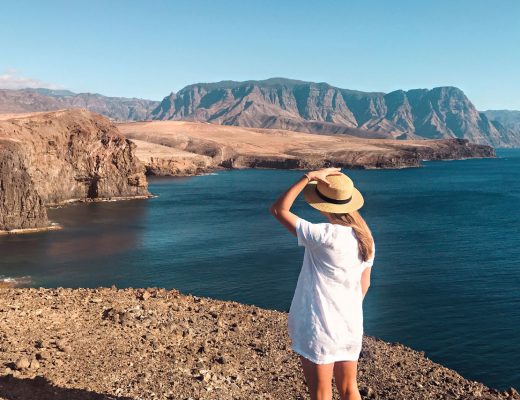
Northern Spain is a region of dramatic coastlines, green mountains, historic cities and some of Spain‘s most distinctive culinary traditions. Stretching from Galicia to the Basque Country, it offers a very different side of Spain, where landscapes, local food and strong regional identities are closely intertwined. From pintxos in Bilbao and San Sebastián to Galician seafood and Rioja wines, this is a part of Spain best explored with an appetite.
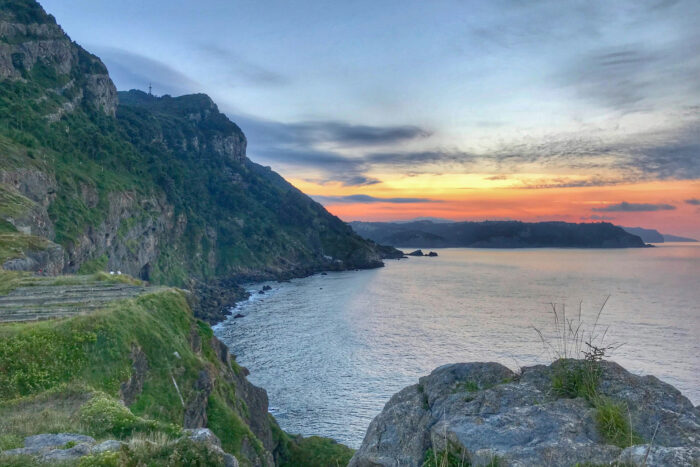
Photo by Carlita Benazito
1. San Sebastián and the Basque Country
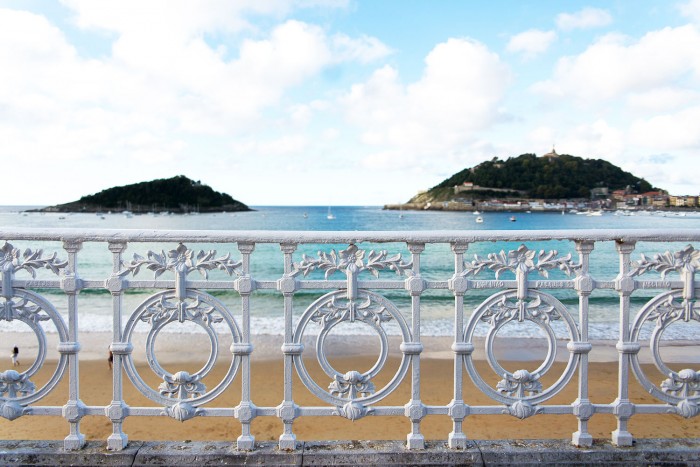
Few places combine beaches, architecture and gastronomy as effortlessly as San Sebastián. Set around the elegant curve of La Concha Bay, the city is ideal for wandering between the seafront, the Old Town and its many pintxos bars, while Monte Igueldo and Monte Urgull offer memorable views over the coast.
Food is central to a San Sebastián travel experience, from pintxos and txakoli to cider houses, traditional restaurants and producers working with exceptional local ingredients.
Beyond the city, the Basque Country rewards travellers with more time to explore. Fishing villages, green valleys, dramatic cliffs and vineyards can all be found within a relatively compact area. Exploring the region through Basque Country Tours can be a practical way to discover smaller towns, local food traditions and coastal landscapes without having to plan every detail independently.
2. Bilbao
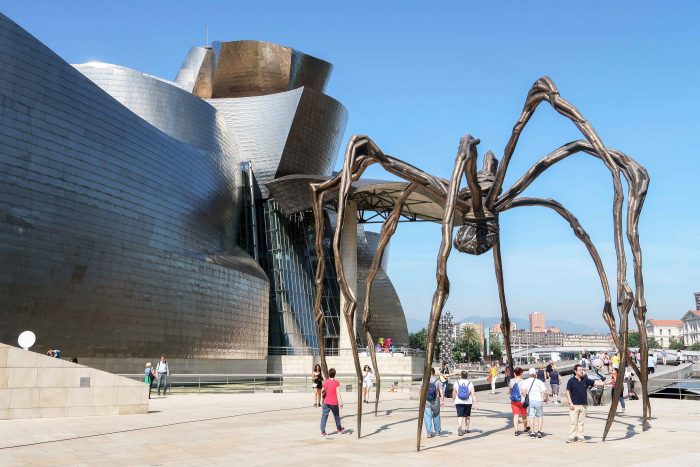
Bilbao has undergone one of northern Spain’s most remarkable transformations. Once primarily known as an industrial city, it is now a vibrant cultural destination where contemporary architecture sits alongside historic neighbourhoods and traditional Basque life. The Guggenheim Bilbao Museum is its most recognisable landmark, but the city has much more to offer beyond its famous titanium curves.
Spend time in the Casco Viejo, where narrow streets lead to atmospheric squares, independent shops and lively bars. The Mercado de la Ribera is another worthwhile stop, particularly for food lovers interested in local ingredients and Basque cuisine. For a different perspective, take the funicular up Mount Artxanda for panoramic views across the city.
Bilbao is also an excellent city for exploring the Basque tradition of pintxos, the small, beautifully presented bites served in bars across the city. Rather than sitting down for one long meal, spend an evening moving between bars, ordering a few pintxos and trying different local specialities along the way. For a more detailed food-focused itinerary, see my guide to where to eat the best pintxos in Bilbao.

Eating pintxos and drinking vermouth at Mercado de la Ribera in Bilbao
3. Santander and the Cantabrian Coast
Elegant and relaxed, Santander is one of the most attractive urban destinations on Spain’s northern coast. Its location on a wide bay gives the city a strong connection with the sea, while beaches such as El Sardinero provide plenty of opportunities to slow down after exploring its centre.
The Palacio de la Magdalena is among Santander’s best-known sights, standing on a peninsula surrounded by gardens and ocean views. Nearby, the coastline becomes increasingly wild, with cliffs, sandy beaches and small seaside communities that are well suited to scenic day trips.

Photo by Willian Justen de Vasconcellos
Santander’s compact centre also makes it particularly appealing for a shorter trip. You can spend a morning exploring the city, walk along the bay or visit the Palacio de la Magdalena, then finish the day with a relaxed meal by the sea. If you’re considering a shorter trip rather than a longer itinerary, my guide to why short city breaks are so rewarding explores some of the pleasures of travelling this way.
4. Picos de Europa and Asturias
If mountains are your priority, head to the Picos de Europa National Park to experience some of northern Spain’s most spectacular scenery. Rising dramatically above Asturias, Cantabria and León, the mountains are crossed by hiking trails leading through deep valleys, limestone peaks and traditional villages. The mountains are particularly rewarding in warmer months, when the landscape is filled with greenery. The region’s cider culture adds another distinctive element to the experience.
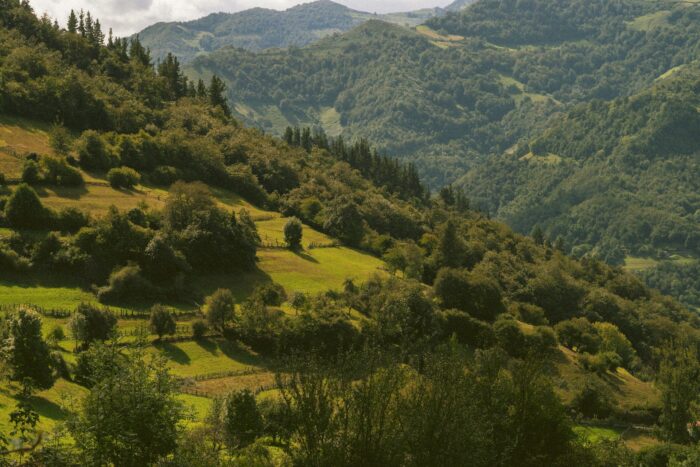
Photo by Keith Mapeki
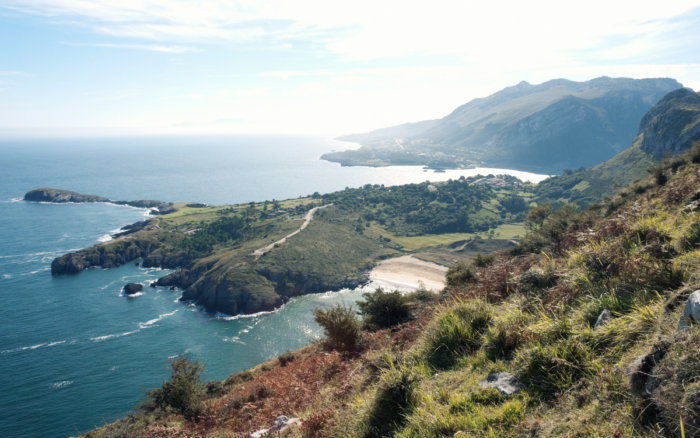
Asturias also combines outdoor adventures with a strong regional identity. Oviedo is known for its historic centre and pre-Romanesque monuments, while coastal towns such as Cudillero and Llanes offer colourful houses, seafood restaurants and striking views. In Llanes, the Mirador de la Boriza is particularly worth seeking out for panoramic views of the emerald-green cliffs, the Castro de Ballota islet and the white sands of Playa de Ballota.
5. Santiago de Compostela
At the western end of the journey, Santiago de Compostela feels unmistakably different. The city has been the destination of the Camino de Santiago for centuries, and its historic centre remains deeply connected to pilgrimage. At its heart stands the monumental cathedral, surrounded by granite buildings and atmospheric streets.
Even visitors who are not walking the Camino in Northern Spain can appreciate Santiago’s unique character. The Praza do Obradoiro is an essential stop, but the pleasure often lies in exploring the surrounding old town without a strict itinerary. Galician restaurants and markets offer another reason to linger, with seafood, octopus, cheeses and regional wines among the local specialities.
For those who want to experience the Camino itself, the journey can also be approached as a slower, more comfortable form of travel. My guide to a luxury Camino de Santiago experience explores how the famous pilgrimage route can be combined with beautiful accommodation, local food and a more relaxed pace.

6. A Coruña and the Galician Coast
A Coruña is one of Galicia’s most atmospheric coastal cities, with the Atlantic visible from many parts of its urban landscape. Its long seafront promenade connects beaches, parks and landmarks, including the Tower of Hercules, an ancient Roman lighthouse that remains one of the city’s defining monuments.
The city is also an excellent base for experiencing Galician cuisine. Fresh fish and seafood are central to local dining, while the region’s white wines pair naturally with many of its traditional dishes. Around A Coruña, the coastline becomes increasingly rugged, making it an appealing destination for travellers interested in both urban culture and nature.

Photo by maría Yolanda C.P.
7. La Rioja and the Wine Country
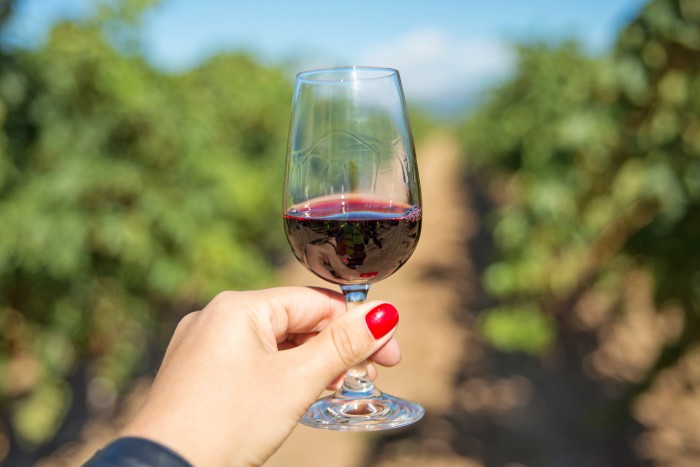
Although La Rioja is often associated with Northern Spain rather than the coast, its proximity to the Basque Country makes it a natural addition to a northern itinerary. The region is famous for its vineyards, historic wineries and picturesque villages, offering a slower-paced contrast to the larger cities.
Logroño, the regional capital, is an excellent base for exploring Rioja and is also worth visiting for its lively food scene. I particularly enjoyed the city’s traditional tapas bars around Calle del Laurel, where it’s easy to combine wine tasting with casual local dining.
Haro is one of the best-known wine towns, while Laguardia, within the Rioja Alavesa area, combines medieval architecture with sweeping views across vineyards. Wine tourism here is about more than tasting: visits can reveal the relationship between wine, landscape, architecture and local traditions. I particularly enjoyed exploring the region on a visit to Beronia Winery in Rioja, where the experience offered a glimpse into the winemaking culture that makes this part of Spain so distinctive.
Planning a Northern Spain Itinerary
One of the great advantages of travelling through Northern Spain is the variety packed into relatively short distances. A single itinerary can move from urban gastronomy in San Sebastián to the mountains of Asturias, historic pilgrimage routes in Galicia and vineyard-covered hills in La Rioja.
The best approach is to allow enough time for slow travel. Rather than simply ticking off cities, leave room for spontaneous stops, local restaurants, coastal viewpoints and small villages. Food is one of the best ways to understand a new destination, and northern Spain makes that particularly easy, from Basque pintxos and Galician seafood to Rioja wines.
Northern Spain is at its most rewarding when the journey between destinations becomes part of the experience.